

More news on this day
As burnout rates remain elevated among professionals worldwide, a new generation of luxury wellness resorts is debuting for 2026, positioning travel not just as escape but as active recovery for stressed and exhausted guests.
Get the latest news straight to your inbox!
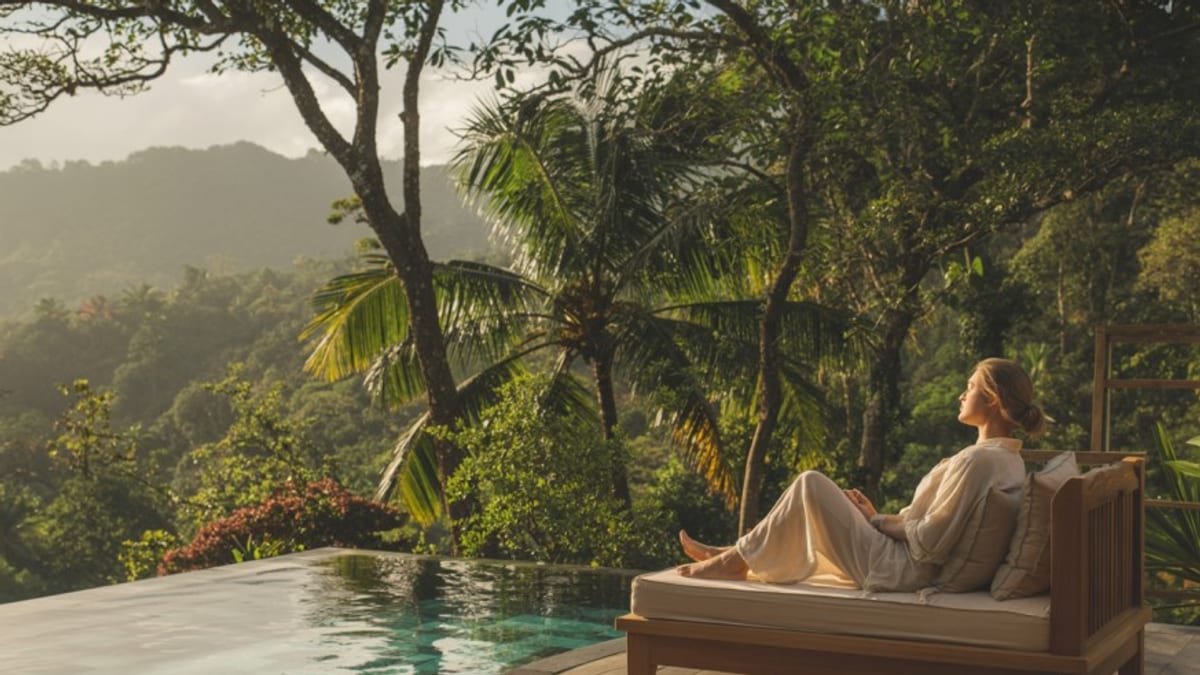
Image by Travel And Tour World
A Wellness Boom Backed by Big Numbers
Across the travel industry, wellness has shifted from spa add-on to central purpose. Recent industry analyses indicate that global wellness tourism is on track to exceed 1.3 trillion dollars in value by the mid-2020s, with growth outpacing overall tourism as travelers prioritize mental health, rest and prevention-focused care. Analysts note that demand is particularly strong among high-earning professionals seeking structured respite from always-on work cultures.
Published coverage of 2025 and 2026 travel trends highlights that wellness-focused stays are no longer limited to yoga retreats or fitness camps. Instead, resorts are blending mental health programming, sleep science, longevity medicine and nature immersion, often with onsite clinicians and high-tech diagnostics. Many of the new openings for 2026 describe their concepts explicitly in terms of stress recovery, nervous-system regulation and long-term resilience.
At the same time, luxury brands that once focused on design and gastronomy are reframing their flagships around holistic wellbeing. From Europe’s alpine valleys to Southeast Asian islands and Middle Eastern beachfronts, hotel groups are launching properties where the spa is a core identity feature, not a side amenity. Rooms are being soundproofed, blue-light minimized and layouts redesigned to encourage digital disconnection and better sleep.
Industry reports suggest that this shift is reinforced by demographic change. Aging but affluent travelers are seeking preventative health programs, while younger guests are willing to pay premium prices for structured breaks that help them reset work habits and manage anxiety. This convergence is driving resorts to offer tiered experiences that combine medical-style assessments with restorative nature-based activities.
New 2026 Openings Put Recovery at the Center
Among the new generation of wellness retreats, several 2026 launches are positioning themselves directly as sanctuaries for burnout recovery. Coverage from specialist wellness publications points to a series of new resorts in Europe, the Middle East and Asia that are marketed around nervous-system restoration, sleep repair and metabolic reset rather than short-term pampering.
In Italy, a forthcoming Six Senses property in Milan’s Brera district is being described as a city retreat built around a large spa and holistic wellness center. Early previews highlight restorative hydrotherapy circuits, meditation spaces and programs that combine movement, nutrition and sleep coaching for guests who arrive straight from high-pressure corporate environments. For business travelers trying to tack recovery onto work trips, such urban wellness concepts are pitched as realistic ways to decompress without tacking on long-haul beach time.
In the Gulf region, Six Senses The Palm in Dubai is set to bring a wellness-first resort model to one of the world’s busiest travel hubs. Regional lifestyle coverage notes that the property will emphasize breathwork, sound immersion, energy healing and longevity-focused talks, alongside a full slate of fitness and spa offerings. The aim is to appeal both to residents dealing with intense urban work rhythms and to international travelers using Dubai as a stopover who now want restorative programming rather than shopping-focused layovers.
Further afield, new island retreats highlighted by wellness travel magazines are debuting substantial spa footprints and nature-integrated design with the explicit goal of helping guests “downshift” from high stress. One 2026 opening on a private island in Southeast Asia is centered on an expansive spa with a menu of integrative therapies, quiet zones and “digital-light” policies that restrict device use in public spaces. Marketing materials emphasize multi-day journeys that help guests recalibrate sleep cycles, reduce anxiety and gradually taper off social media use during their stay.
Medical-Led and Longevity Resorts Redefine Luxury
Alongside traditional spa resorts, medical-led wellness properties are drawing attention for 2026. European coverage, in particular, points to new and expanded clinics that blend five-star hotel design with physician-led programs targeting stress, burnout and lifestyle-related conditions. These facilities typically offer diagnostics such as cardiac screening, metabolic testing and hormonal analysis, before prescribing tailored plans that include nutrition, movement, and mind-body therapies.
One example on the shores of Lake Constance in Germany brings together a lakeside resort setting with on-site doctors, structured recovery schedules and facilities that resemble a boutique clinic. Guests check in for multi-day or multi-week stays, often beginning with evaluations that assess sleep quality, stress levels and cardiovascular risk. Daily schedules might include medically supervised exercise, targeted spa therapies, and coaching sessions focused on reworking work-life boundaries to prevent a return to burnout.
Longevity-focused offerings are expanding in parallel. Reports on global wellness trends describe an increase in “biohacking suites” and dedicated longevity hubs within resorts, where guests can experience technologies such as red-light therapy, infrared saunas, cryotherapy, hyperbaric oxygen and personalized supplementation plans. Rather than presenting these as experimental, new properties frame them as structured programs aimed at improving energy, cognitive clarity and recovery from chronic stress.
Legacy wellness destinations are also refreshing their positioning as they enter 2026. Resorts that built reputations on Ayurveda, traditional Chinese medicine or holistic spa experiences are layering in new programs around metabolic health, women’s health and sleep science. According to travel features, these updated offerings are designed to appeal to repeat guests who now arrive with specific health goals rather than a general desire to relax.
Designing Spaces to Quiet the Nervous System
The architecture and interior design of new wellness resorts in 2026 reflect a detailed focus on calming overstimulated guests. Travel features on recent openings in the Swiss and Austrian Alps describe properties where natural materials, muted color palettes and panoramic landscape views are used intentionally to encourage slower breathing and a sense of psychological spaciousness. Many new-builds and renovations are situating rooms to maximize daylight while also offering blackout capabilities for deep sleep.
In mountain resorts opening or expanding for 2025 and 2026, owners are integrating forest bathing trails, cold-water immersion pools and silent zones overlooking valleys and lakes. Programmed activities include slow hikes, breath-led movement sessions and outdoor meditation platforms that encourage guests to swap screen time for time in the elements. These experiences are framed not as luxury extras but as core therapeutic tools in helping guests reset overstressed nervous systems.
Coastal and island properties are following a similar playbook. Newly announced wellness island retreats emphasize low-rise architecture, native landscaping and car-free policies that reduce noise and visual clutter. Guest rooms increasingly feature analog entertainment options like reading nooks and sketching materials instead of large televisions, while public spaces prioritize communal tables for shared meals and low-lit lounges for quiet reflection.
Even established luxury resorts undergoing renovation ahead of 2026 milestones are leaning into the wellness narrative. Coverage of major restorations in North America notes upgrades such as adults-only quiet pools, expanded spa facilities, relaxation gardens and movement studios. While these properties still market golf, tennis and dining, the refreshed layouts signal a recognition that guests now equate luxury with the ability to unplug rather than be entertained at all hours.
From One-Off Retreats to Ongoing Support
A notable evolution in 2026 wellness travel is the emphasis on continuity after guests check out. Many of the newest resorts position themselves not as one-off escapes but as starting points for longer-term change, especially for those recovering from burnout. Programs often begin weeks before arrival with digital questionnaires, virtual consultations and personalized suggestions to prepare for the stay, then continue afterward with follow-up coaching sessions or app-based support.
Travel and lifestyle coverage indicates that retreats are increasingly structured around three- to seven-night modules focused on themes such as nervous-system reset, creative renewal or career transition. Guests might join small groups for workshops on boundary-setting, sleep hygiene and mindful technology use, alongside individual time in the spa or outdoors. These itineraries are designed so that participants leave with concrete practices they can reintroduce at home, rather than a fleeting sense of relaxation.
Partnerships between wellness resorts and employers are also gaining traction. While details vary, public information about corporate wellness travel trends points to companies subsidizing short, intensive retreats for senior staff as part of burnout-prevention strategies. Resorts respond with confidential, non-clinical programs that address stress and leadership habits while avoiding the perception of medical treatment.
Taken together, the wave of new luxury wellness resorts arriving in 2026 signals that travel is being recast as a structured, science-informed tool for mental and physical recovery. For travelers experiencing burnout, these destinations promise not only beautiful surroundings and high-touch service, but also carefully designed environments and programs that aim to restore focus, energy and a more sustainable way of living once the journey ends.