

More news on this day
WestJet, American Airlines and Air Canada led a wave of 28 flight cancellations at Calgary International Airport on Friday, disrupting travel for hundreds of passengers on routes linking Alberta to major Canadian cities and U.S. hubs including Las Vegas and Newark.
Calgary Becomes Fresh Flashpoint in North American Disruptions
The cancellations at Calgary International Airport came as winter weather and operational pressures once again converged on airline schedules across Canada and the United States. The affected flights included services to and from Toronto, Regina, Kelowna, Grande Prairie, Saskatoon, Winnipeg, Victoria, Abbotsford and Lethbridge, as well as cross-border routes touching Las Vegas and Newark.
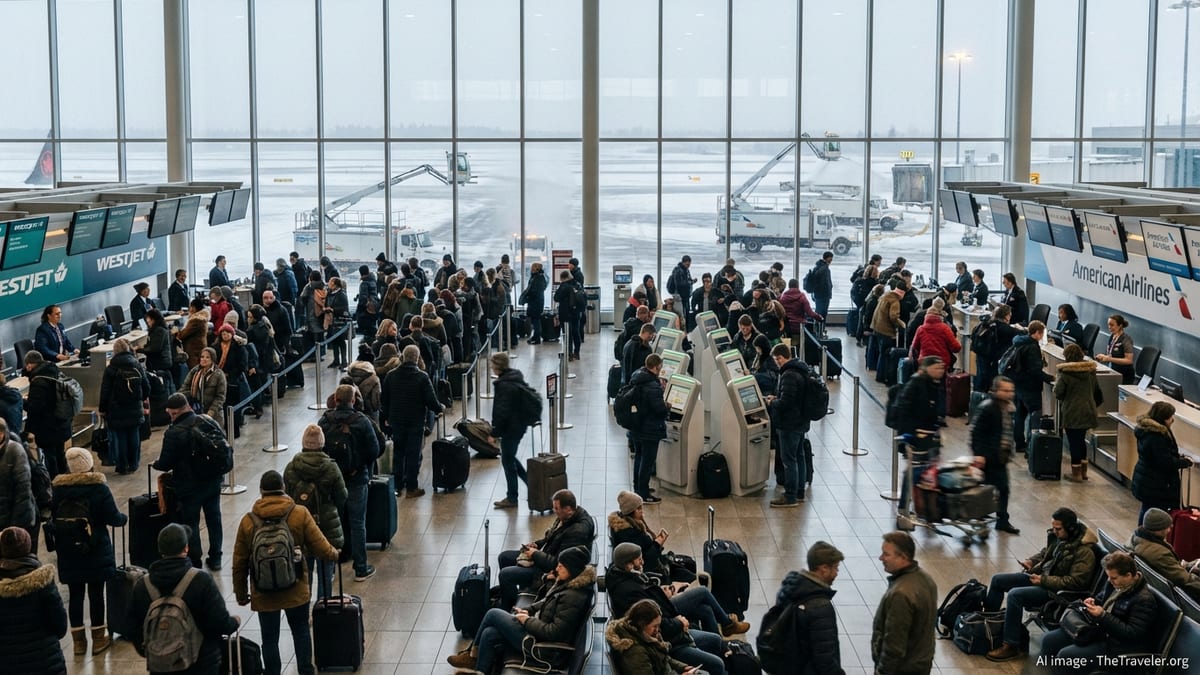
While Calgary remained open and operational, the thinning of schedules and scattered ground delays created long check-in lines and congested departure areas throughout the morning and early afternoon. Airport staff directed crowds around rescheduled flights, while airline agents worked to rebook passengers on later departures or alternative routings through Vancouver, Toronto and U.S. hubs.
Travel data providers reported that the 28 cancellations at Calgary were part of a broader pattern of disruption across the continent on February 27, with Canadian carriers in particular battling a combination of snowfall, strong winds and knock-on effects from earlier storms and equipment imbalances.
WestJet Bears Brunt as Regional Links Take a Hit
Calgary-based WestJet carried the heaviest share of today’s cancellations, a blow felt most sharply on short-haul links that connect Alberta to secondary cities in the Prairies and British Columbia. Flights serving Regina, Saskatoon, Grande Prairie, Lethbridge, Kelowna, Victoria and Abbotsford saw a mix of outright cancellations and rolling delays, limiting options for travelers counting on quick hops of less than two hours.
For many passengers, the disruption meant missed medical appointments, family gatherings and business meetings. Those trying to reach smaller markets faced particular challenges, as some regional routes operate only once or twice daily. With aircraft and crews out of position from earlier weather events, WestJet in some cases opted to consolidate services or cancel low-frequency flights outright rather than risk wider network instability later in the day.
In Calgary’s domestic terminal, departure boards showed clusters of canceled WestJet flights alongside delayed departures, a visual reminder of how quickly conditions can shift during the peak of winter operations. Travellers lined up at customer service counters shortly after dawn, with some being offered routings via larger hubs such as Vancouver or Toronto, and others handed hotel and meal vouchers while they waited for next-day options.
American and Air Canada Disrupt Cross-Border and Transcontinental Flows
American Airlines and Air Canada added to the disruption, canceling a smaller but strategically important number of flights at Calgary that connect Western Canada with major U.S. and Canadian hubs. Services involving Las Vegas and Newark were among those affected, complicating itineraries for leisure travelers heading to Nevada and New York as well as for business passengers connecting onto onward long-haul flights.
The cancellations at Calgary coincided with a fresh wave of delays and scrubbed flights across the broader Canada–U.S. network, including at Toronto Pearson, Vancouver and several American hubs. Operational data showed that carriers were again forced to trim schedules preemptively as they juggled crew duty limits, de-icing requirements and longer-than-usual turnaround times on icy ramps.
For cross-border passengers, the fallout was particularly acute. Travelers bound for U.S. cities via Las Vegas or Newark reported losing same-day connections onward to destinations in the American Midwest and Southeast, often being rebooked on itineraries routing through alternative hubs or pushed to flights on Saturday and Sunday.
Passengers Face Long Lines, Limited Alternatives and Rising Costs
Inside Calgary International Airport, the human impact of the 28 cancellations was immediately visible. Security queues swelled at peak times as rebooked travelers arrived early for new departures, while baggage carousels periodically filled with luggage from flights that never left, awaiting owners who had already been reticketed.
Hotel availability in the immediate vicinity of the airport tightened as airlines issued vouchers for overnight stays to passengers from more distant communities such as Winnipeg, Victoria and Abbotsford. Some travelers opted to rent cars and drive to destinations within regional reach, including Regina and Lethbridge, despite challenging road conditions on parts of the Trans-Canada Highway and connecting routes.
For those who chose to wait out the disruptions, the costs added up quickly. Food and transportation expenses, pet boarding extensions and parking charges at origin airports compounded the frustration. Passenger advocates again urged travelers to keep all receipts related to the disruption and to familiarize themselves with their rights under Canadian and U.S. regulations, particularly when cancellations are tied to operational or staffing decisions rather than severe weather beyond an airline’s control.
Pressure Mounts on Airlines Ahead of Busy Spring Travel
The latest wave of cancellations arrives at a sensitive moment for Canadian carriers, which are simultaneously rebuilding networks, launching new routes and preparing for a busy spring break and Easter travel period. WestJet and Air Canada have both announced ambitious 2026 schedules, adding capacity on transborder and sun routes even as winter volatility continues to test their resilience.
Industry analysts note that days like February 27 highlight the thin margin for error in modern airline operations. A modest storm system or localized ground delay can trigger knock-on effects across dozens of routes, particularly at connecting hubs such as Calgary that feed traffic to both domestic and international destinations. When aircraft and crews are tightly scheduled, canceling multiple departures may be the only way to restore balance.
For travelers, the lesson is equally clear: winter journeys through Calgary and other Canadian hubs remain vulnerable to sudden disruption, even on seemingly routine short-haul and cross-border flights. With more unsettled weather in the forecast and airlines operating near capacity during peak periods, flexible plans, generous connection times and real-time monitoring of flight status will remain essential tools for anyone flying between Canada and the United States in the coming weeks.