

Arkansas is often called the Natural State for its mountains, rivers, and forests, but the culture you will encounter here is just as layered as the landscape. Before you land in Little Rock, wind into the Ozarks, or follow the Mississippi through the Delta, it helps to understand the traditions, values, and everyday rhythms that shape life in Arkansas today. What follows is a grounded, practical guide to the state’s culture so you can arrive informed, respectful, and ready to connect.
Understanding Arkansas Identity Today
The first thing to know about Arkansas culture is that it is not one single story. The state stretches from the Mississippi Delta to the Ozark and Ouachita Mountains, from college towns and corporate headquarters in the northwest to farm communities and historic river ports in the east. Each region has its own accent, history, and sense of place, and locals are quick to distinguish between the Ozarks, the Delta, central Arkansas, and the southern timber and oil country. When you say you are visiting Arkansas, people may follow up with a specific question about what part, because that answer says a lot about the experience you will have.
Arkansas identity is rooted in both rural and small city life. Little Rock, Fayetteville, Bentonville, and Jonesboro are urban anchors, but much of the cultural imagination still revolves around small towns, church life, football fields, and family gatherings that bring together several generations. At the same time, northwest Arkansas in particular has grown rapidly, attracting people from across the United States and around the world. As a visitor, you will notice a blend of long standing traditions and newer influences in food, music, and everyday attitudes.
Arkansans are often described as reserved but friendly. It is common to hold doors, say "yes sir" or "yes ma'am," and chat with strangers in line at the grocery store. That politeness does not always mean agreement, and you may find that people will avoid direct confrontation in favor of gentle humor or a change of subject. Travelers who show curiosity, humility, and patience are usually rewarded with local tips, personal stories, and invitations to experience places you would never find on a map.
Another key piece of identity is pride mixed with self deprecating humor. Arkansas has long been on the receiving end of outside stereotypes, and locals know it. Jokes about country life, old cars, or overalls often come from Arkansans themselves, but that does not mean they welcome the same from visitors. If you approach the state as a punchline, people will notice. If you treat it as a place with its own history and complexity, they are more likely to open doors.
History, Heritage, and the Stories Locals Tell
To understand why Arkansas looks and feels the way it does now, a bit of historical context helps. Indigenous nations, including the Quapaw, Caddo, and Osage, lived in what is now Arkansas long before European settlement. Their presence survives in place names, archaeological sites, and contemporary communities, although their stories are often underrepresented in mainstream tourism material. If you are interested in Indigenous history, look for state parks, museums, and cultural centers that highlight these narratives and approach them with respect.
Arkansas was a slave state and a member of the Confederacy during the American Civil War, and that legacy continues to shape race relations, politics, and memory. The Arkansas Delta, in particular, was defined by cotton plantations, tenant farming, and the Great Migration that saw many Black Arkansans move north in search of opportunity. Today, visitors can engage with this history through historic sites, civil rights museums, and community events that commemorate emancipation and ongoing struggles for equality. You will see evidence of both painful chapters and deliberate efforts to reckon with them.
One of the most widely known episodes in Arkansas history is the 1957 desegregation crisis at Little Rock Central High School, when nine Black students faced violent opposition as they integrated the school under federal protection. The site is now a National Historic Site, and visiting with a thoughtful attitude can deepen your understanding of how civil rights history lives on in the present. Many Arkansans, especially in central Arkansas, see this story as central to the state’s modern identity, not as distant history.
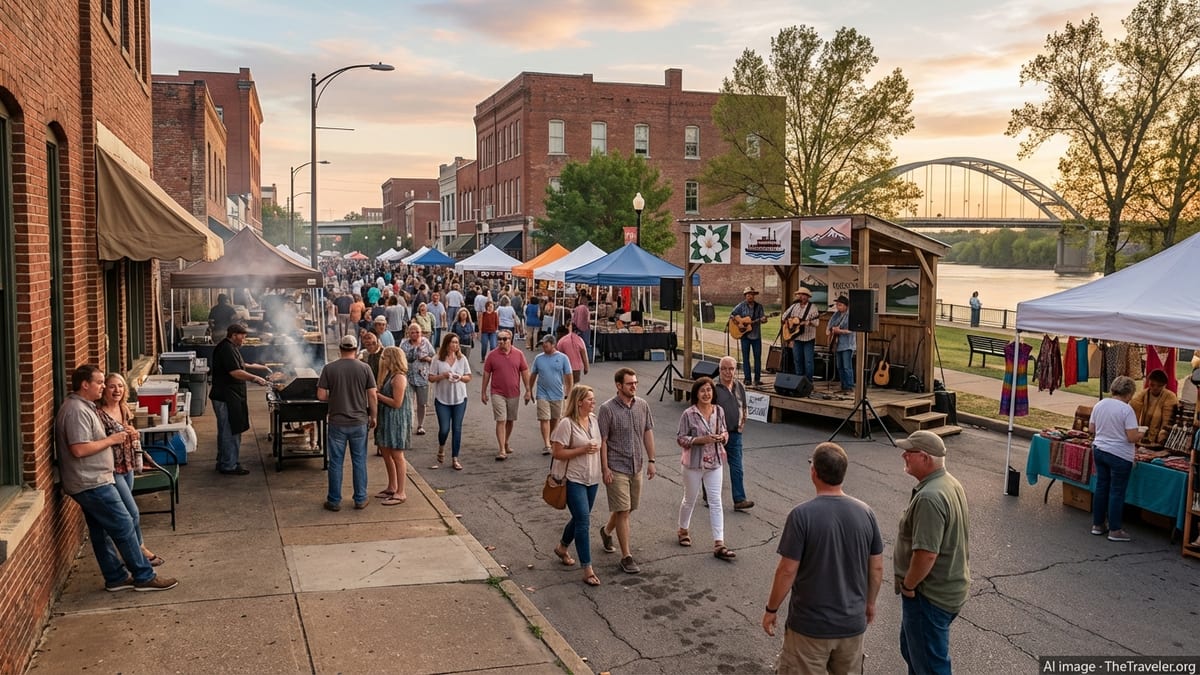
There is also a strong tradition of celebrating everyday heritage. Across the state, you will encounter festivals, county fairs, and seasonal events that highlight particular crops, crafts, or local stories. Whether it is a community blues festival on the Mississippi River, a folk gathering in the Ozark Mountains, or small town events that center on everything from strawberries to watermelons, Arkansans tend to express pride in very place specific ways. As you travel, listen for how people talk about their hometowns. The stories they tell, and the ones they avoid, reveal a great deal about how they see themselves.
Music, Festivals, and the Arkansas Social Calendar
Music is one of the most powerful entry points into Arkansas culture. The eastern part of the state, especially along the Mississippi River, has deep roots in the blues. Helena, for example, is home to a long running blues radio program and a major blues festival that draws performers and fans from around the world each fall. Travelers who appreciate live music will find that the Delta in particular offers a mix of small juke joints, riverfront stages, and informal jam sessions where the blues, gospel, and soul traditions continue to evolve.
In the Ozark region of northern Arkansas, folk music and old time traditions remain central. Fiddling, banjo tunes, square dancing, and ballad singing show up at festivals, community centers, and informal gatherings. Some state parks and folk centers offer scheduled performances, instrument making demonstrations, and workshops that invite visitors into these traditions without turning them into pure spectacle. If you are curious, ask locally about upcoming shows or jam nights. In many communities, it is still possible to hear multi generational musicians playing together in settings that feel intimate and genuine.
Beyond these longstanding traditions, the statewide festival calendar is increasingly diverse. Central Arkansas hosts events that celebrate local food, creativity, and the 501 area code, turning downtown streets into open air stages for music, art, and community conversations. Northwest Arkansas, with its growing arts infrastructure, supports concert series, music festivals, and museum programs that mix regional talent with national and international performers. If you plan your trip around a particular month, look at city tourism calendars for Little Rock, Fayetteville, or Bentonville to see what might be happening while you are in town.
Seasonal celebrations are another window into Arkansas life. Fall brings county fairs, high school homecoming parades, and tailgates, all of which offer travelers an authentic look at community spirit. In June, Juneteenth celebrations in cities such as Fayetteville and Little Rock highlight Black history and joy with marches, storytelling, art installations, and communal meals. Around the winter holidays, downtown lighting ceremonies, church events, and neighborhood displays take center stage. Visitors who show up at these events as respectful guests, rather than as detached observers, often find that they are welcomed into the crowd.
Foodways, Barbecue, and How Arkansans Really Eat
Food is one of the easiest ways to connect with Arkansas culture. The state sits at a crossroads of Southern, Midwestern, and Southwestern influences, and its culinary traditions range from Delta tamales and fried catfish to smoke kissed barbecue and farm to table dishes in college towns and larger cities. Do not expect one single iconic dish that defines the state. Instead, think in terms of regional specialties and family recipes that locals debate with affection.
Barbecue is particularly important. Arkansas styles can vary from sweet and tomato based sauces to spicy and vinegar leaning versions, often depending on whether you are in the Delta, central Arkansas, or up in the Ozarks. Pork ribs, pulled pork, and smoked sausages are common, but you will also encounter smoked chicken and turkey at local joints. Many of the most beloved barbecue spots are modest, counter service restaurants or roadside shacks where the pit has been in use for decades. If a place has a full parking lot and a simple menu, that is usually a good sign.
Beyond barbecue, Arkansas culture shows up in plate lunches, church suppers, and seasonal produce. Rice farming is a major force in eastern Arkansas, and you will see rice appear in everything from gumbo to simple side dishes. Catfish, often fried and served with hushpuppies and slaw, anchors many Delta menus. In the Ozarks, you may come across trout from cold mountain streams. Farmers markets in Little Rock, Fayetteville, and smaller towns showcase peaches, berries, greens, and other local products that tell the story of the land through flavor.
In the last decade, northwest Arkansas in particular has developed a lively contemporary food scene shaped by corporate relocations, university populations, and international communities. Bentonville, Rogers, and Fayetteville feature restaurants that combine local ingredients with global techniques, as well as Mexican, Vietnamese, Indian, and Mediterranean spots run by immigrant families. Travelers who seek both traditional comfort food and more experimental menus will find options across price points. Wherever you eat, a few simple rules apply: be patient if service is unhurried, tip generously by U.S. standards, and consider asking your server what they would order.
Everyday Etiquette, Conversation, and Social Norms
Arkansas is part of the wider American South, and many visitors notice a particular style of politeness. People often greet strangers with a nod or a "how are you" without expecting a detailed answer. Using "sir" and "ma'am" is common in many communities, especially among younger people speaking to elders. If those terms are not part of your own speech, a simple "thank you" and general courtesy will still be read as respectful. Smiling, holding doors, and giving others space in public lines or on sidewalks are small gestures that can go a long way.
Small talk is an important social bridge. When you meet new people, expect early questions about where you are from, whether you have been to Arkansas before, and what you think of the weather. Sports, especially college football and basketball, are safe starting points. The University of Arkansas Razorbacks inspire fierce loyalty, and references to "the Hogs" will come up often. If you are invited to a game or watch party, understand that it is both a social event and a chance to express regional pride. Even if you are not a sports fan, showing some interest is appreciated.
Religion plays a visible role in public life. Arkansas has a high concentration of churches, and for many families, Sunday services and midweek gatherings are central to social networks. As a visitor, you may notice frequent references to church activities, prayer requests, or faith based volunteer work. You are not expected to participate, but it is wise to approach religious conversations with sensitivity. If someone invites you to a service or a church potluck, it is usually intended as an inclusive gesture rather than proselytizing. Declining politely is fine; accepting can open doors into community life that tourists rarely see.
There are also topics that Arkansans may see as sensitive. Politics, gun ownership, and certain aspects of the state’s past can spark strong feelings, and nuanced opinions do not always match outside assumptions. If you are curious, listen more than you speak, and avoid making sweeping statements about "the South" or "rural people." When in doubt, ask open ended questions about local life rather than pushing for agreement on national issues. Respectful curiosity is almost always welcomed. Dismissive comments about the state, its accent, or its perceived lack of sophistication are not.
Nature, Outdoor Traditions, and Respect for the Land
The nickname "Natural State" is not just a slogan. Many Arkansans have a strong connection to rivers, lakes, and mountains, and outdoor activities are woven deeply into cultural life. Fishing, hunting, camping, hiking, and floating rivers in canoes or kayaks are common weekend pastimes. Even in the middle of Little Rock or Fayetteville, you are never far from a trailhead, city park, or greenway, and conversations about recent hikes or big catches can appear as often as talk of movies or television.
Outdoor traditions are often passed down through families. Deer season, for example, is not simply a sportsman’s pursuit but a multi generational ritual that shapes school schedules, family reunions, and freezer contents. For visitors, this can be surprising, especially if you come from a place where hunting is rare. Whether or not you choose to participate, recognizing that these practices are tied to food, land management, and family heritage will help you understand why people speak about them with such seriousness and pride.
For travelers who want to enjoy Arkansas’s natural beauty, there are a few cultural expectations worth noting. First, locals tend to value quiet and courtesy on trails and at swimming holes. Loud music, littering, and careless behavior around wildlife or water are frowned upon, and in some places there are active volunteer groups who monitor popular spots to keep them clean. Second, private land boundaries may not always be clearly marked, especially in rural areas. If you are unsure whether a road, river access, or field is open to the public, ask first rather than assume.
There is also growing awareness within Arkansas of the need to balance outdoor recreation with conservation. State parks, national forests, and wildlife refuges play a central role in that effort, and many offer ranger led programs that explain local ecosystems and cultural history together. Joining a guided hike, bird walk, or star gazing program can be an efficient way to learn about both the natural and human stories of a place while supporting institutions that protect it for future generations.
Diversity, Changing Communities, and Local Debates
While some outsiders still imagine Arkansas as culturally monolithic, on the ground the picture is more complex. In cities and larger towns, you will encounter a mix of racial, ethnic, and linguistic communities shaped by centuries of history and more recent migration patterns. Black Arkansans, whose ancestors built much of the state’s agricultural and cultural infrastructure, continue to shape music, politics, education, and entrepreneurship. Latin American communities, particularly from Mexico and Central America, have grown steadily, contributing to the workforce, food culture, and festivals. In northwest Arkansas, significant Marshallese and other Pacific Islander populations have also taken root.
These demographic changes are visible in storefronts, school districts, and the festival calendar. A visitor paying attention will notice bilingual signage, multicultural parades, and events such as Juneteenth festivals, Hispanic heritage celebrations, and Pacific Islander gatherings. The result is a cultural landscape that feels both distinctly Southern and globally connected. Your experience of Arkansas will vary a great deal depending on whether you stick to major attractions or spend time in neighborhood restaurants, community centers, and small churches that serve particular groups.
Change brings debate, and Arkansas is no exception. Conversations around public education, historical monuments, LGBTQ+ rights, and economic inequality show up in local news and daily life. Travelers should not be surprised to see protest signs, public meetings, or ballot initiatives that reflect these tensions. That does not mean Arkansas is uniquely divided compared to other states, but rather that it is wrestling with the same questions in ways shaped by its own history and institutions.
As a visitor, you are not expected to have all the answers, and in most cases you will not be drawn directly into these debates. Still, being aware of them can help you interpret what you see, from library displays to school board headlines. If you decide to engage, do so with care, and remember that people you meet are speaking from lived experience, not just from abstract positions. Showing that you understand Arkansas as a real place with ongoing conversations, rather than a backdrop for your vacation, is one of the deepest forms of respect you can offer.
The Takeaway
Travelers who arrive in Arkansas with an open mind often leave with a more nuanced picture than they expected. The state is neither a frozen time capsule nor a uniform slice of the American South. Instead, it is a living mosaic of Delta blues stages and Ozark folk jams, downtown art walks and small town football fields, church potlucks and cutting edge restaurants, historic scars and emerging voices. Culture here is expressed as much through how people greet one another at the gas station as through museum galleries or headline festivals.
Before you visit, the most useful preparation is not learning a list of must see attractions but cultivating a particular posture. Be curious without being intrusive. Notice how history shows up in local stories. Pay attention to the land and to what grows from it, both literally in fields and figuratively in music, food, and language. Recognize that you are stepping into someone else’s home and that, as in any home, some rooms are on display while others are private.
If you do that, Arkansas is likely to reward you with moments that cannot be scheduled or bought: a neighbor offering directions and a family story in the same breath, a stranger paying for your coffee in a small town diner, a musician playing a song that connects decades of local memory in a few verses. Those are the experiences that linger long after your trip ends and that make understanding Arkansas culture before you visit not just helpful, but essential.
FAQ
Q1. Is Arkansas safe for tourists from other parts of the United States and abroad?
Yes, most visitors experience Arkansas as welcoming and safe, especially in well traveled areas. As in any state, you should use common sense, stay aware of your surroundings, and follow local advice about neighborhoods, outdoor conditions, and weather.
Q2. Do I need a car to experience Arkansas culture properly?
A car is very helpful. Public transit is limited outside a few urban areas, and many of the state’s most interesting cultural and natural sites are spread out. Renting a vehicle or arranging rides in advance allows you to explore small towns, state parks, and local festivals more freely.
Q3. What should I wear to fit in with local dress norms?
Dress is generally casual. Jeans, T shirts, and comfortable shoes are widely accepted, especially in outdoor and small town settings. In churches, nicer restaurants, or evening events, business casual attire is appreciated. Layers are useful because temperatures can change quickly between day and night.
Q4. How should I behave when visiting a church or community event as an outsider?
Arrive a little early, follow the lead of locals, and introduce yourself politely if there is a greeter or host. Silence your phone, avoid taking photos during quiet or solemn moments, and participate only in ways that feel appropriate. Most communities are glad to welcome respectful visitors.
Q5. Is it okay to ask locals about sensitive topics like race or politics?
It depends on the relationship and setting. Casual conversations with strangers are usually not the place for probing questions on sensitive subjects. If you build rapport with someone and they raise a topic themselves, you can listen and ask gentle follow up questions, but avoid turning the exchange into a debate.
Q6. What are some simple ways to show respect for Arkansas’s natural areas?
Stay on marked trails, pack out your trash, keep noise levels down, and follow posted rules about fires and wildlife. If you use rivers or lakes, be mindful of currents and water levels, which can change with weather. When in doubt, ask park staff or outfitters how to minimize your impact.
Q7. How important is tipping in Arkansas restaurants and bars?
Tipping follows standard U.S. norms. In sit down restaurants, 15 to 20 percent of the pre tax bill is customary when service is good. In bars, tipping one or two dollars per drink is typical. For counter service, leaving some change or a small percentage in the tip jar is appreciated but not required.
Q8. Will I have trouble with language or accents?
English is the primary language, and while you may hear a variety of regional accents, most travelers adjust quickly. In some communities you will also encounter Spanish and other languages. If you have difficulty understanding someone, it is fine to ask them politely to repeat or slow down.
Q9. When is the best time of year to experience local festivals and outdoor activities?
Spring and fall are often ideal. Weather is usually milder, outdoor spaces are inviting, and many music events, food festivals, and county fairs occur during these seasons. Summer can be hot and humid, especially in the Delta, while winter brings more variable conditions but fewer crowds.
Q10. How can I support local communities while I travel in Arkansas?
Choose locally owned restaurants and shops when possible, attend community events, and pay entrance fees at museums and parks that preserve culture and nature. Buying crafts, music, or food directly from makers keeps more money in the communities you are visiting and helps sustain the traditions you came to experience.