

Milwaukee often surprises first-time visitors. On the surface it is known for beer, baseball and big festivals, but the city on Lake Michigan also offers serious arts and dining, revitalized neighborhoods, and an easygoing Midwestern feel. Whether you are coming for a weekend or a longer stay, understanding the basics before you arrive will help you make the most of your time in Wisconsin’s largest city.
Getting Your Bearings: Milwaukee in a Nutshell
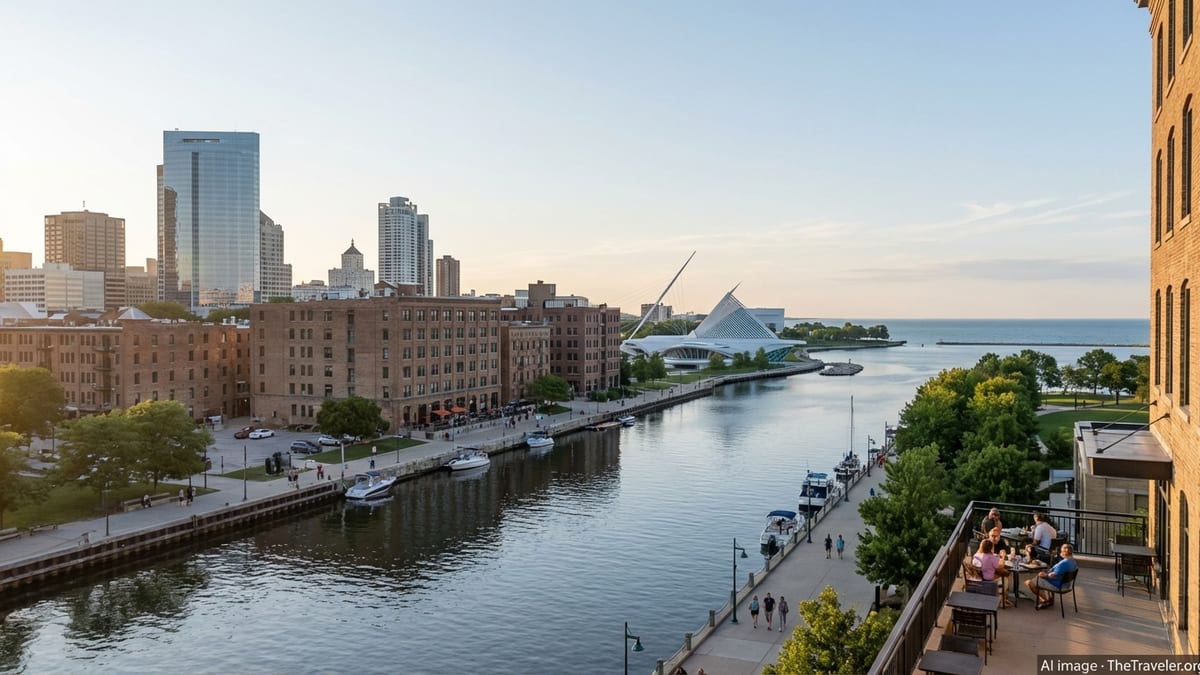
Milwaukee sits on the western shore of Lake Michigan, about 90 minutes north of Chicago, and feels like a big small town as much as a major metro area. Its compact downtown hugs the lakefront and the Milwaukee River, with a cluster of museums and entertainment venues in easy reach. Just beyond the core, distinct neighborhoods like the Historic Third Ward, Bay View, Riverwest and the East Side each have their own character, food scene and nightlife. For a first visit, expect short travel times across the central city, but know that attractions spread into the suburbs and along the shoreline.
The city’s industrial past is still evident in brick warehouses and factory buildings, many of which have been converted into lofts, breweries and galleries. You will also see the influence of the city’s immigrant communities in everything from church steeples to corner taverns and bakeries. Today, Milwaukee markets itself around festivals, lakefront recreation and food and drink, with a growing reputation that has put it on lists of the top big-city destinations in the United States.
Weather is a major factor in how the city feels. Winters are cold, snowy and windy off the lake, while summers are warm, often humid, and packed with events. Spring and fall can be beautiful but changeable, so layering is essential. When you plan your trip, think carefully about what kind of experience you want: beer gardens and lakefront concerts in July feel very different from museum-hopping and cozy taverns in January.
When to Visit: Seasons, Weather and Festivals
Milwaukee’s peak visitor season runs from late spring through early fall. June through August brings the fullest festival calendar, headlined by Summerfest, a sprawling multi-day music festival usually held in late June and early July at Henry Maier Festival Park on the lakefront. The same grounds host a rotating series of ethnic and cultural festivals through the summer. If you love live music, beer gardens and outdoor dining, this is when the city feels most energetic, but you will also see higher hotel rates and more crowds around the lakefront and downtown.
Late spring and early fall are good options if you want milder weather and fewer people. May and early June can bring cool breezes off the lake and trees leafing out along the parkways. September and early October often deliver crisp sunny days perfect for walking the Oak Leaf Trail, visiting breweries or watching a Brewers game at American Family Field. These shoulder seasons are well suited to first-time visitors who want to sample a bit of everything without the intensity of peak summer.
Winter in Milwaukee, typically from December through March, is cold, with temperatures frequently below freezing and wind that can feel sharper near the lake. That said, the city leans into the season with outdoor skating rinks, winter markets, cozy beer halls and indoor attractions like the Milwaukee Art Museum and the Harley-Davidson Museum. If you are prepared with warm clothing and waterproof boots, a winter visit can be rewarding, and hotel prices are often lower outside of major events and sports weekends.
Whenever you choose to visit, check the city’s major events calendar when booking. Home games for the Milwaukee Bucks at Fiserv Forum or the Brewers at American Family Field, large conventions, and festivals can all affect hotel availability and downtown traffic. Booking early for popular summer weekends and being flexible with neighborhood choice can make your first visit smoother and more affordable.
Where to Stay: Neighborhoods That Work Well for First-Timers
For a first visit, most travelers find it easiest to base themselves in or near downtown. This puts you within walking or streetcar distance of the lakefront, the Historic Third Ward, the Milwaukee RiverWalk and many museums. Downtown lodging offers the widest mix of full-service hotels, business properties and boutique options in renovated historic buildings. From here, you can also reach the Intermodal Station for trains and buses, and connect easily to the airport by car or rideshare.
The Historic Third Ward, just south of downtown, is one of the city’s most walkable and visitor-friendly neighborhoods. Former warehouse buildings now hold galleries, studios, restaurants and the popular Milwaukee Public Market, where you can graze your way through local vendors and casual counters. Staying here gives you a lively but compact base with easy access to the riverfront and lakefront, plus a short ride on The Hop streetcar into the central business district.
On the East Side, near Brady Street and along Prospect and Farwell avenues, you will find a mix of mid-rise apartments, historic homes, bars and restaurants that attract students and young professionals. This area offers a more residential feel while still keeping you close to the lakefront and downtown. Bay View, south of downtown along the lake, combines older housing stock with a growing food and bar scene; it appeals to travelers who prefer an artsy neighborhood and do not mind a short drive or rideshare into the center.
Suburban areas such as Wauwatosa to the west and the communities north along the lake offer additional hotel options, often with easier parking and a quieter atmosphere. These can be good choices if you are visiting family, attending events at the Milwaukee County Zoo or spending time at American Family Field. For a true first-time orientation to the city, though, staying within a short distance of the downtown and lakefront will minimize transit time and help you experience Milwaukee’s street life.
Getting Around: Transit, Streetcar and Walking
Milwaukee’s central districts are manageable without a car, especially if you focus your time on downtown, the Historic Third Ward, the East Side and the lakefront. The Hop, the city’s modern streetcar system, operates a loop that connects the Intermodal Station area, downtown, the Lower East Side and the Historic Third Ward, with a branch to the lakefront. Trains run frequently during the day, and service is designed with visitors in mind, making it a simple way to hop between key areas without worrying about parking.
The Milwaukee County Transit System operates bus routes that reach deeper into neighborhoods and suburbs, including routes to the airport and major attractions. Service is most frequent on main corridors, and many visitors rely on a combination of buses and walking if they choose not to rent a car. If you expect to use buses often, check current pass options and consider downloading the local transit app for schedules and real-time information.
Rideshare services and traditional taxis are widely available, particularly around the airport, downtown hotels, entertainment districts and sports venues. Driving in Milwaukee is relatively straightforward compared to larger U.S. cities, but parking downtown can be expensive during big events, and winter driving requires standard cold-weather caution. If you rent a car, pay attention to posted parking rules and any winter parking restrictions on residential streets.
Milwaukee is also a good city for walking and biking in warmer months. The lakefront paths and the Oak Leaf Trail provide scenic routes with separate space from traffic, and a network of bike-share stations serves the downtown and surrounding neighborhoods. For first-time visitors, walking between the Historic Third Ward, downtown, the Deer District around Fiserv Forum and parts of the East Side offers a pleasant way to explore, though you will want sturdy shoes and layers if you are visiting outside of summer.
What Not to Miss: Lakefront, Culture and Classic Milwaukee Experiences
Milwaukee’s lakefront is the city’s calling card and an essential stop for first-time visitors. A chain of parks and trails runs along Lake Michigan, with green space, beaches and marinas offering plenty of room to walk, cycle or simply watch the water. The Milwaukee Art Museum sits prominently on the shoreline, its striking white structure and movable wing-like brise soleil making it one of the most recognizable buildings in the city. Nearby, you will find Discovery World, a science and technology museum with interactive exhibits and views back toward the skyline.
To understand Milwaukee’s industrial and cultural history, the Harley-Davidson Museum just southwest of downtown is worth your time, even if you are not a dedicated motorcyclist. Exhibits trace the company’s story from early machines to modern bikes, with plenty of artifacts and design details. Closer to the river, the Milwaukee Public Museum is in the midst of a major transformation, so check the latest on exhibits and its new home if you are interested in natural history and cultural displays during your visit.
Food and drink are central to the local identity. Milwaukee has a long brewing tradition, and both legacy and craft breweries welcome visitors for tours and tastings. Classic supper clubs, fish fries, burgers and frozen custard coexist with contemporary restaurants led by chefs who have earned national recognition. The Milwaukee Public Market in the Historic Third Ward is a convenient starting point, but do not be afraid to explore neighborhood spots for coffee, bakeries and taverns. For a very local experience, consider seeking out a beer garden in a county park during the warmer months or joining the crowds for a Friday fish fry.
Sports and live events also shape the city’s rhythm. The Milwaukee Bucks play at Fiserv Forum in the Deer District, a downtown entertainment area filled with bars and gathering spaces that buzz on game nights and for concerts. American Family Field, west of downtown, hosts the Milwaukee Brewers and a full slate of baseball games each spring and summer. Even if you are not a devoted fan, catching a game or simply experiencing the pre-game atmosphere at nearby bars and tailgates can give you a feel for the city’s communal spirit.
Safety, Practicalities and Local Etiquette
Like many American cities, Milwaukee has areas with higher crime rates and neighborhoods that feel very comfortable for visitors. Most of the places that first-time travelers spend their time, such as downtown, the Historic Third Ward, the lakefront, the East Side and Bay View, are generally busy and well-patrolled, especially during events and peak hours. Standard urban precautions apply: stay aware of your surroundings, avoid flashing valuables, and choose well-lit streets and main routes at night.
Some residential areas farther from the lakefront and west of major freeways have higher reported crime and see fewer visitors. You are unlikely to wander into these districts accidentally if you focus on central attractions, but using a map and sticking to known entertainment corridors is a good idea, particularly after dark. If you are driving, lock your car, remove valuables from view and pay attention to local advice about where to park.
From a practical standpoint, Milwaukee is straightforward. The local currency is the U.S. dollar, and cards are accepted almost everywhere, including at many small vendors and markets. Tipping practices align with broader U.S. norms: it is customary to tip servers and bartenders, rideshare and taxi drivers, and housekeeping staff. Tap water is treated and safe to drink, and convenience stores and pharmacies are easy to find in and around downtown and the neighborhoods where visitors tend to stay.
Locals are generally friendly, direct and happy to offer recommendations, especially about where to eat and which brewery to try. A casual, relaxed dress code is common in most settings, though some higher-end restaurants and venues may expect slightly more polished attire. Respect for the lakefront and parks is important, so dispose of trash properly and follow posted rules. During winter, give city crews room to clear snow and be patient with any weather-related delays.
Money, Costs and How to Make Your Budget Go Further
Compared with many coastal cities, Milwaukee can feel relatively affordable, though prices have risen in recent years. Hotel rates fluctuate significantly based on season and events, with summer weekends and major festivals commanding higher prices. Booking midweek stays, looking slightly beyond the immediate downtown core, or considering reputable smaller hotels and guesthouses can keep lodging costs manageable. If you are on a tight budget, winter and the shoulder seasons often bring better deals.
Food costs vary widely. You can find casual meals at markets, burger joints and neighborhood bars at modest prices, while tasting menus and fine dining spots will be closer to big-city levels. One way to make your budget go further is to anchor the day with one main restaurant meal and use bakeries, coffee shops and the public market for lighter bites. Many brewery taprooms offer reasonably priced food options, and happy hour specials can help trim drink costs.
Transportation can be an area to save. The streetcar is an economical way to move around the central city, and walking between clustered neighborhoods eliminates parking fees. If you do not need a car for day trips beyond the metro area, relying on transit and rideshare for a first visit can reduce both rental and parking expenses. Attraction passes or museum memberships may pay off if you plan multiple visits in a short period, so review current packages before you arrive.
As with any trip, keeping an eye on event calendars, avoiding last-minute bookings during peak times and being flexible about exact dates can have a real impact on overall cost. Milwaukee rewards visitors who are willing to explore a bit beyond the most obvious options, whether that means trying a neighborhood restaurant instead of a waterfront hotspot or choosing a smaller local festival over the biggest-name events.
The Takeaway
For first-time visitors, Milwaukee offers an appealing balance of manageable scale and diverse experiences. You can spend your mornings on the lakefront, your afternoons exploring museums or neighborhoods, and your evenings in beer gardens, supper clubs or concert venues, all without feeling rushed. Understanding the city’s layout, seasons and transportation options will help you plan days that make sense and minimize backtracking.
Perhaps the biggest surprise for newcomers is how relaxed and welcoming Milwaukee feels despite its size and history as an industrial hub. The city has its challenges, as any large urban area does, but its strengths are clear in the way residents embrace festivals, support local businesses and use their parks and waterfront. Come prepared for variable weather, bring a curiosity about local food and culture, and give yourself time to wander. With a bit of planning, your first trip to Milwaukee can easily lead to plans for a return visit.
FAQ
Q1. Do I need a car for my first visit to Milwaukee?
For a short, first-time stay focused on downtown, the Historic Third Ward, the East Side and the lakefront, you can manage without a car by using the streetcar, buses, rideshare services and walking. If you plan to explore farther-flung neighborhoods, the suburbs or nearby towns, renting a car becomes more convenient.
Q2. What is the best time of year to visit Milwaukee?
June through August offers the fullest festival schedule and warm weather, while May, September and early October bring milder temperatures and fewer crowds. Winter can be rewarding for museum visits and cozy taverns if you are prepared for cold, snowy conditions.
Q3. Is Milwaukee safe for tourists?
Most popular visitor areas, including downtown, the Historic Third Ward, the lakefront and parts of the East Side and Bay View, are generally busy and feel comfortable with normal urban precautions. As in any large city, some neighborhoods have higher crime rates, so it is wise to stay aware of your surroundings, avoid poorly lit, unfamiliar areas at night and follow local advice about where to go.
Q4. How do I get from Milwaukee Mitchell International Airport to downtown?
The airport sits a short drive south of downtown. Visitors typically use rideshare services, taxis, airport shuttles or local bus routes to reach central hotels. Travel time is usually around 15 to 20 minutes outside of heavy traffic.
Q5. What should I pack for a trip to Milwaukee?
Pack for variable weather, especially outside of midsummer. Layers, a light waterproof jacket, comfortable walking shoes and in winter a warm coat, hat, gloves and boots will make a big difference. Year-round, bring whatever you need for sun protection along the lakefront.
Q6. Can I swim in Lake Michigan in Milwaukee?
Yes, Milwaukee has public beaches along Lake Michigan that are popular in summer when water and air temperatures warm up. Conditions vary, so check current advisories, lifeguard hours and safety information before swimming, and be aware that even in summer the water can feel chilly.
Q7. Are there family-friendly attractions in Milwaukee?
Milwaukee is well suited to families, with attractions such as Discovery World, the Milwaukee County Zoo, the Milwaukee Public Museum’s exhibits, and the Harley-Davidson Museum appealing to a wide range of ages. Parks, playgrounds and the lakefront paths also offer space for kids to explore.
Q8. What is Milwaukee known for food-wise?
Milwaukee is widely associated with beer, cheese, sausages and hearty Midwestern fare, but its food scene extends far beyond those staples. Expect to find Friday fish fries, frozen custard, butter burgers, traditional bakeries and an increasing number of globally inspired and chef-driven restaurants.
Q9. How walkable is Milwaukee for visitors?
The central parts of the city are quite walkable, especially downtown, the Historic Third Ward and nearby sections of the East Side and Deer District. Many visitors spend whole days on foot within these linked neighborhoods, then use the streetcar, buses or rideshare for longer trips.
Q10. Are breweries easy to visit without joining a tour?
Yes, many Milwaukee breweries operate taprooms that welcome walk-in visitors during posted hours, and you can sample beers and often order food without joining a formal tour. If you want a deeper look at brewing history or production, some breweries also schedule guided tours that can be reserved in advance.