

Lake Erie trips look deceptively simple on the map. A compact inland sea, short drives from major cities, ringed with beaches, islands, and small resort towns. Yet many first-time visitors arrive underprepared or with mismatched expectations, only to battle surprise weather, closed attractions, algae advisories, or fully booked ferries. Planning a smooth Lake Erie vacation means understanding that this Great Lake behaves less like a placid pond and more like a small ocean with its own risks, rhythms, and quirks.
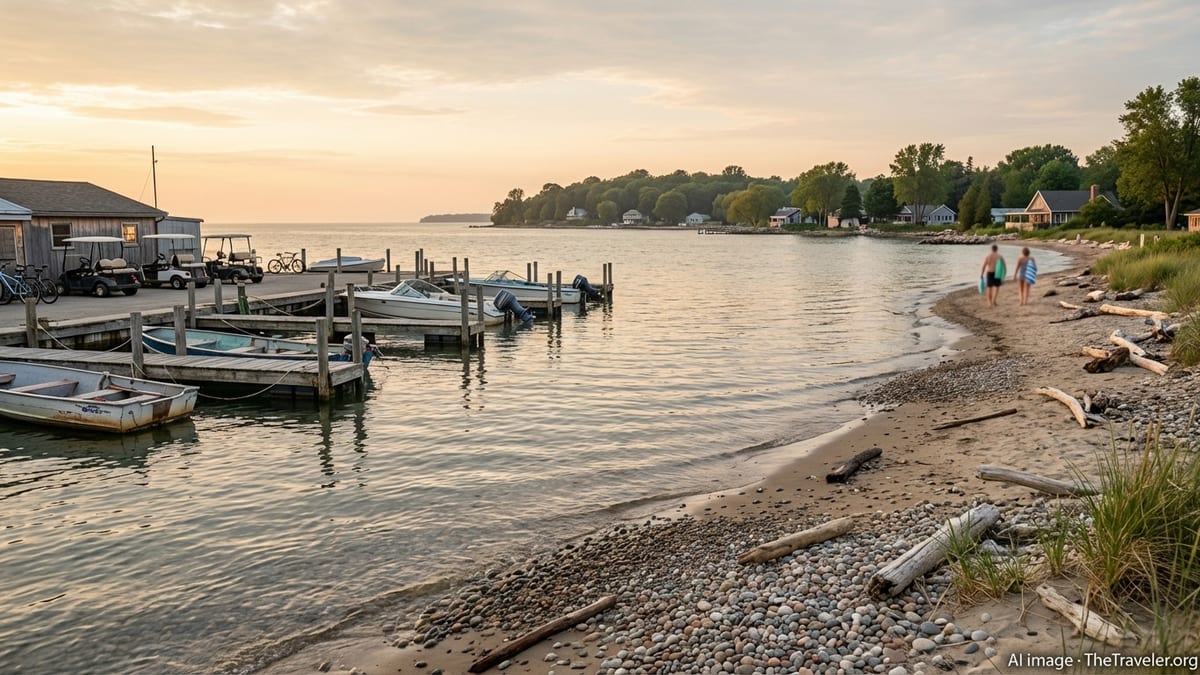
Underestimating Lake Erie’s Ocean-Like Weather and Seasons
One of the biggest planning mistakes is treating Lake Erie like a predictable inland lake rather than the shallow, wind-sensitive Great Lake it is. Conditions can swing from glassy calm to whitecaps and dangerous waves in a matter of hours, especially when frontal systems move through. Travelers who build tight sightseeing or boating schedules without padding for weather often find themselves canceling plans or driving through whiteout bands of lake-effect snow along exposed shorelines.
Seasonal assumptions are another trap. Many visitors assume that anything from May through September will offer warm water and full-service tourism. In reality, water temperatures stay cool well into June in many areas, especially on the eastern end, and shoulder seasons can feel more like early spring than summer. By late September and October, some island ferries reduce frequency, smaller restaurants close for the season, and charter operators may scale back, leaving late planners with fewer options than online reviews suggest.
Winter travel around Lake Erie can be spectacular but is frequently misunderstood. Lake-effect snow can rapidly generate hazardous driving conditions for hours or days at a time along certain snowbelt corridors downwind of the lake, particularly in northeast Ohio, northwestern Pennsylvania, and western New York. A sunny forecast a few hundred kilometers away does not guarantee clear roads along the lakeshore. Smart itineraries build in flexible driving windows, backup indoor activities, and travel insurance that accounts for weather-related changes.
Even in midsummer, wind direction and storms matter. A blue-sky morning can precede afternoon thunderstorms that bring strong gusts, steep waves, and rapidly dropping temperatures. Travelers who schedule long paddling routes or open-water crossings without monitoring detailed marine and beach forecasts risk uncomfortable or unsafe conditions. Checking local National Weather Service nearshore forecasts and beach hazard outlooks daily is a simple step many visitors skip.
Misjudging Water Safety, Currents, and Beach Conditions
Another common misconception is that Lake Erie’s freshwater and relatively modest waves are inherently safer than the ocean. In practice, its shallow depth and long fetch can generate steep, choppy waves and strong nearshore currents, especially near piers, jetties, and harbor mouths. Regional weather agencies now issue rip current and beach hazard statements for sections of the Lake Erie shoreline, and these advisories should carry as much weight as ocean beach flags for swimmers and paddlers.
Travelers often assume that calm-looking water equals safe swimming, which is not always the case. Submerged drop-offs, shifting sandbars, and currents around breakwalls can surprise even confident swimmers. Families with children sometimes focus solely on lifeguard presence and forget to check wave heights, water temperatures, and current risks for that day. In many stretches of the Lake Erie coast, lifeguards are limited or seasonal, reinforcing the need for self-reliance, basic water safety skills, and the use of life jackets for weaker swimmers or during any paddling activity.
Cyanobacterial blooms, often called harmful algal blooms, are a uniquely important factor on Lake Erie and remain easy for visitors to overlook. These blue-green algae events, which have become more frequent in the lake’s western basin between about June and October, can trigger public health advisories that urge people and pets to avoid contact with the water. Signs may appear at public beaches, and state health departments maintain real-time monitoring portals, but many travelers never think to check before arrival. Building a plan B for swimming, such as inland splash pads, hotel pools, or alternative beaches outside affected zones, can keep a trip on track if a bloom intensifies during your visit.
Finally, visitors frequently underestimate how much wind and waves will affect small watercraft. Rental kayaks, stand-up paddleboards, and small fishing boats are often safe only in sheltered bays or close to shore under calm conditions. Regional paddling guides advise against attempting long open-water crossings between mainland and islands except for highly experienced paddlers with proper gear, cold-water protection, and rescue skills. Assuming that a sunny forecast makes any route safe is one of the more dangerous planning errors on Lake Erie.
Overlooking the Complex Geography of Islands and Shorelines
On the map, Lake Erie’s islands and shore towns cluster close together, but in practice they are connected by a patchwork of ferry lines, marinas, and occasionally small airlines. Many first-time visitors underestimate transit times, assuming they can hit multiple islands plus a mainland attraction like an amusement park or winery trail in a single day. Weather delays, ferry queues, and limited departure times quickly reveal how ambitious those plans really are.
Each island has a distinct personality, and lumping them together under a generic “Lake Erie islands day trip” can lead to mismatched expectations. Put-in-Bay on South Bass Island attracts a lively crowd, especially in midsummer and on weekends, with bars, live music, and group outings. Nearby Kelleys Island leans quieter, with more focus on nature preserves, rocky shorelines, and low-key dining. Planning without understanding these differences can leave solitude seekers in the midst of a party, or families with small children on an island that feels more boisterous than they hoped.
Access logistics are more nuanced than many online maps imply. Some ferries carry both passengers and vehicles, while others are passenger-only. Certain routes run year-round “weather permitting,” while others operate seasonally and may adjust schedules according to demand and lake conditions. Day-trippers who arrive at mainland docks at peak times without reservations or buffer time may face long waits, particularly on sunny summer weekends and holiday periods. This can compress their island time into a few rushed hours, reducing the value of the trip.
Boaters and paddlers also sometimes underestimate the amount of marine traffic and navigation complexity around the islands. Ferry routes, fishing vessels, recreational cruisers, and personal watercraft all converge in relatively tight channels. For visiting boaters who are used to lightly trafficked inland lakes, these congested zones require more attentive navigation and better familiarity with charts, aids to navigation, and local rules than many anticipate when planning their trip.
Assuming Spontaneous Lodging and Dining Will Be Easy
Another error is planning a Lake Erie escape as if last-minute coastal lodging will always be available. Many shore towns and islands have a limited inventory of accommodations: small inns, seasonal cottages, campgrounds, and a handful of larger hotels. On busy summer weekends, popular spots can book up weeks or months in advance. Travelers accustomed to big-city capacity may be surprised to find few options left within convenient distance of the water, or only rooms at higher price points than expected.
On the islands, the lodging crunch can be especially sharp, and some travelers discover on arrival that walk-up availability is minimal. Vacation rentals may require multi-night minimums, and island campgrounds can sell out during festivals or peak holiday periods. Building a trip around the assumption that “something will be open when we get there” often leads to long drives inland at the end of the day or settling for accommodations far from the shoreline views travelers imagined.
Dining expectations can suffer similar shocks. While Lake Erie’s islands and coastal towns feature beloved fish shacks, wineries, patio restaurants, and ice cream stands, many are seasonal and operate with limited hours outside high summer. Kitchens may close earlier than urban visitors expect, and waits can be lengthy during peak dinner times on fair-weather weekends. Arriving with only a mental list of online recommendations, without checking current hours or seasonal closures, leads many visitors to miss favorite spots or rely heavily on whatever is still serving late.
Travelers also tend to underestimate how quickly small businesses can adjust routines in response to weather. A sudden storm may temporarily close exposed patios or delay outdoor seating, and staffing challenges can lead to reduced menus or longer wait times. Those who build in flexibility, eat slightly earlier or later than prime hours, and carry simple backup snacks tend to navigate these quirks with far less frustration.
Misreading Lake Erie as Either Pure Party or Pure Wilderness
Lake Erie’s tourism image is often split between two simplified extremes: boisterous party islands and quiet birding marshes. In reality, the shoreline offers a spectrum of experiences, and travelers who plan based on a single stereotype often end up on the wrong end of that spectrum. Some arrive expecting a quiet nature retreat and are surprised by live music, golf carts, and bar crowds. Others imagine a beach-bar weekend but choose a town that closes early and prioritizes fishing access and bird habitat.
These mismatches stem partly from online coverage that emphasizes a handful of well-known hubs while underrepresenting smaller communities, state parks, and wildlife areas. Lake Erie’s western basin, for example, supports celebrated bird migration viewing in spring and fall, along with marshes and boardwalks that feel far removed from island nightlife. Central and eastern stretches feature coastal cities with cultural attractions, historic lighthouses, and theater seasons that often go unnoticed in quick-search planning.
Visitors may also misjudge the degree of development right at the waterfront. In some towns, housing, marinas, and industrial infrastructure hug the shoreline, with public access concentrated in a few parks and beaches rather than a continuous boardwalk. Travelers expecting miles of uninterrupted promenade can be disappointed if they do not research where public access points, bike paths, and scenic overlooks actually are. Careful map reading and tourism office resources help set realistic expectations for how much of your trip you will truly spend by the water’s edge.
On the flip side, those who lean into a specific interest, whether that is migratory birds, historical sites, fishing, cycling, or winery visits, often discover that Lake Erie can feel tailored to them. The key is discarding the assumption that the lake is defined by a single narrative and instead building an itinerary that matches personal priorities with the character of particular towns and islands.
Overpacking Itineraries and Underestimating Driving Distances
Because Lake Erie sits within a day’s drive of major metropolitan areas, many visitors attempt to squeeze too much into a short trip. A common error is planning to visit multiple state parks, two or three islands, and cultural stops in nearby cities while also leaving time for relaxed beach days and sunset dinners. In practice, ferry schedules, traffic, and weather delays quickly consume that ambitious checklist.
Driving distances around Lake Erie can feel longer than the map suggests, particularly when routes pass through smaller towns, two-lane roads, and construction zones. Cross-border trips that combine the United States and Canada add the variable of border wait times and the need for proper identification. Travelers who assume that they can circle large portions of the lake in a single weekend often end up spending more time in the car than by the water.
Logistical friction extends beyond the roads. Parking near popular beaches and ferries can be limited, and queues to load vehicles onto boats grow during popular travel weekends. Those extra minutes spent finding parking or waiting in line add up, especially for families juggling gear, coolers, and beach toys. Good planning means choosing a realistic number of anchor points and allowing full days in a smaller geographic area rather than hopping obsessively from one shoreline town to another.
Leaving unscheduled blocks of time may be the most underrated Lake Erie planning strategy. The lake rewards those who can pivot: extending an afternoon at a quiet beach, ducking into a museum during a squall, or lingering over a fish fry when a storm line passes. When every hour is prebooked, these serendipitous moments are the first to vanish.
Ignoring Local Rules, Conservation Issues, and Community Rhythms
Lake Erie communities have had to adapt to environmental pressures, fluctuating water levels, and heavy seasonal visitation. Travelers often arrive unaware of the local rules and norms that help protect both the lake and the quality of life for residents. Beach and park regulations regarding alcohol, glass containers, pets, fires, and drones vary by jurisdiction and are often enforced more strictly than visitors expect, particularly in crowded areas or sensitive wildlife habitats.
Conservation is not just an abstract concept here. Erosion-prone bluffs, dune systems, and wetlands depend on visitors staying on designated paths and respecting seasonal closures. Shoreline vegetation that looks like scrub or weeds often stabilizes sand and provides nesting habitat for birds and other wildlife. Photographers and sunset seekers who step off marked trails to find a better angle can unintentionally damage fragile ground or disturb nesting areas, especially during migration periods.
Noise and traffic are another tension point. On islands and in small lakeshore towns, golf carts, bicycles, and pedestrians share tight streets with delivery trucks and service vehicles. Visitors who treat local roads like amusement rides or cruise strips may find that communities are increasingly responsive with enforcement or new regulations to maintain safety and livability. Understanding that these places are home to year-round residents, not just seasonal playgrounds, goes a long way toward smooth interactions.
Finally, waste management is a quieter but important part of responsible planning. Peak-season visitation can strain local trash and recycling systems, particularly on islands where all materials must be transported by boat. Travelers who minimize single-use plastics, pack out what they bring to beaches and parks, and use refillable bottles help reduce pressure on local infrastructure and keep shorelines clean for both residents and wildlife.
The Takeaway
Lake Erie remains one of North America’s most approachable big-water destinations, close to major cities yet capable of feeling surprisingly wild, especially in its marshes, open reaches, and stormy winter moods. The travelers who leave with the best memories are rarely those who attempt to do everything. Instead, they are the ones who respect the lake’s power, understand its seasonal rhythms, and build itineraries that match the character of specific islands and shore towns.
A successful Lake Erie trip begins with realistic expectations: weather that behaves more like the ocean than a small lake, water conditions that demand the same caution you would show at the seashore, and logistics that require advance thought around ferries, lodging, and dining. Add in a dose of flexibility, a willingness to adapt to conditions on the ground, and a mindset that emphasizes both safety and stewardship, and you will be well positioned to enjoy this Great Lake at its best.
Plan for changing forecasts, give yourself generous buffers between activities, learn a bit about local ecology and community norms, and you will avoid most of the missteps that frustrate Lake Erie newcomers. What remains is the good part: quiet early-morning harbors, evening light over the islands, fresh-caught fish at a dockside table, and the particular satisfaction of knowing you met a powerful lake on its own terms.
FAQ
Q1. Is it safe to swim in Lake Erie in summer?
Swimming can be safe when conditions are favorable, but visitors should always check local beach advisories for rip currents, waves, and any harmful algal bloom warnings, and follow posted guidance before entering the water.
Q2. When is the best time of year to visit Lake Erie?
July and August typically offer the warmest water and most open attractions, while late spring and early fall are ideal for smaller crowds and cooler temperatures, though some services may be reduced.
Q3. Do I need to reserve ferry tickets in advance for the Lake Erie islands?
Advance planning is highly recommended during peak summer weekends and holidays, especially if you are bringing a vehicle, as ferries and parking areas can become very busy.
Q4. Can I rely on public transportation around Lake Erie?
Public transit options are limited along much of the shoreline, so most visitors find a car essential, especially for reaching state parks, rural beaches, and ferry docks on flexible timelines.
Q5. Are harmful algal blooms common on Lake Erie?
Harmful algal blooms occur most often in the western basin during warmer months, so travelers should monitor current advisories and be prepared with alternative swimming or recreation plans if conditions deteriorate.
Q6. How far in advance should I book lodging on the islands?
For peak-season weekends, it is wise to secure accommodations several weeks to a few months ahead, particularly for popular inns, rentals, and campgrounds with limited capacity.
Q7. Is Lake Erie suitable for beginners in kayaking and paddleboarding?
Beginners can enjoy sheltered bays and calm conditions close to shore, but they should avoid open-water crossings, monitor wind forecasts carefully, and always wear life jackets.
Q8. Do I need special documents to visit Canadian destinations on Lake Erie?
Yes, if you plan to cross the international border, you will need appropriate identification such as a passport or other accepted travel document, and should factor border wait times into your itinerary.
Q9. What should families with young children know before a Lake Erie trip?
Families should prioritize beaches with gentle entry and clear safety signage, use life jackets for weaker swimmers, plan shorter activity blocks, and check in advance for family-friendly lodging and dining options.
Q10. How can I make my Lake Erie visit more environmentally responsible?
You can stay on marked trails, respect wildlife areas, minimize single-use plastics, pack out trash from beaches and parks, and support local businesses that emphasize conservation and low-impact practices.