

Connecticut may be one of the smallest U.S. states, but its seasons are pronounced and surprisingly varied. From snow-dusted village greens and maple-syrup steam in late winter to blazing foliage and beachy afternoons along Long Island Sound, timing your visit can shape a completely different experience. This seasonal guide explains what to expect in each part of the year so you can decide when Connecticut will match the trip you have in mind.
Understanding Connecticut’s Climate and Regions
Connecticut sits in southern New England with a classic four-season climate. Winters are cold, with average January highs around the mid 30s Fahrenheit and lows near the low 20s in inland cities such as Hartford. Summers are warm to hot and humid, with average highs in July around the low to mid 80s and frequent stretches that feel warmer during heat waves. Spring and autumn bring transitional weather, often with crisp mornings, mild afternoons, and a mix of sun and showers.
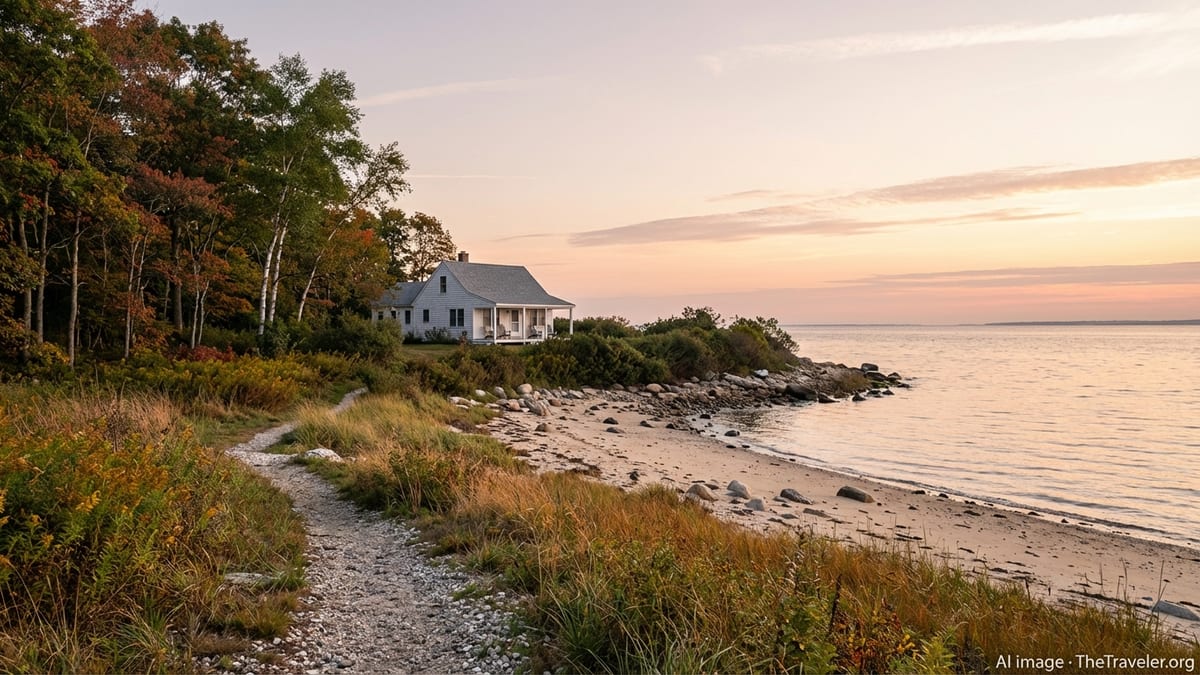
The state divides loosely into a few visitor-friendly zones. Inland, the Litchfield Hills and the so-called Quiet Corner in the northeast are hillier, colder in winter, and among the first places to see fall color. Central Connecticut around Hartford and the Connecticut River Valley tends to reflect the statewide averages. Along the shore, towns from Greenwich and Norwalk to Madison, Mystic, and Stonington sit on Long Island Sound, where water moderates temperatures, winters feel slightly milder, and fall foliage tends to peak later.
Because these regions change at slightly different times, there is no single “best” week to visit. Instead, color and weather move gradually from north to south and from higher elevations to the coast. This rolling pattern is great news for travelers. If you miss peak foliage in the hills, you may still find bright leaves clinging to the lower river valley or shoreline a week or two later. Likewise, snow sometimes lingers inland after lawns have turned green by the sea.
Another factor to consider is changing weather patterns. In recent years, Connecticut has seen occasional winter thaws, earlier warm spells in spring, and summer heat waves with heat index values above 100 degrees in inland areas. While long-term averages remain reliable for basic planning, it is wise to check a short-term forecast a few days before you travel, especially if your plans center on skiing, hiking, or time at the beach.
Spring in Connecticut: Late March to May
Spring arrives hesitantly in Connecticut. Late March often still feels wintry inland, with daytime temperatures frequently in the 40s Fahrenheit and overnight lows near or below freezing. By April, average highs in central Connecticut climb into the 50s and low 60s, and by May they often reach the upper 60s or around 70. Along the shore, you may feel a cool breeze off Long Island Sound even on sunny days, so packing layers is essential.
Early spring, from late March into April, is ideal if you like quiet roads and off-season rates. Many coastal inns, especially in smaller towns, reopen for the season around this time. Maple sugaring is in full swing in rural parts of the state, particularly in the Litchfield Hills and the Quiet Corner. Country drives will take you past sugarhouses and through bare but gradually greening forests. Mud can be an issue on unpaved hiking trails while snow melts, so bring waterproof footwear if you plan to explore the woods.
By mid to late May, Connecticut looks fully transformed. Flowering trees explode in white and pink, lawns glow bright green, and gardens from historic house museums to small-town greens fill with tulips and daffodils. Temps are usually comfortable for walking city neighborhoods, touring college campuses in New Haven or Middletown, and strolling coastal boardwalks. It can still rain frequently, but heavy humidity is uncommon, and biting insects are usually manageable compared to the height of summer.
Spring is not typically peak season at the beach, but that can be part of its charm. Shoreline parks such as Hammonasset Beach State Park in Madison, a broad stretch of sand with campgrounds and a nature center, are far less crowded than in July and August. You may not be ready to swim, since water temperatures stay chilly, yet it is an excellent time for birdwatching, long walks, and picnics wrapped in light jackets. Overall, spring suits travelers who prioritize quiet scenery and outdoor time over guaranteed warmth.
Summer in Connecticut: June to August
Connecticut’s summer feels classic New England: beach days, ice cream stops, lush town greens, and outdoor concerts. Average daytime highs from June through August in places like Hartford usually range from the upper 70s to mid 80s Fahrenheit, but inland areas can experience hotter spells with heat index values above 100, particularly during short heat waves. Nights remain warm, especially in cities, while coastal towns enjoy slightly cooler breezes over Long Island Sound.
For many visitors, the centerpiece of summer is the shoreline. Hammonasset Beach State Park offers two miles of sandy beach, grassy areas, campgrounds, and a popular boardwalk. Ocean Beach Park in New London pairs sugar-sand beach with a boardwalk, pool, and seasonal amusements, drawing families all summer long. Smaller-town options such as McCook Point Park in Niantic, Milford Point, or Calf Pasture Beach in Norwalk anchor local communities with playgrounds, picnic lawns, and calm water for paddling on the Sound.
Beach access and parking policies vary widely by town, and fees for nonresidents can be substantial in some wealthy coastal communities, particularly on busy weekends. If your trip revolves around the shore, it is wise to review current day-pass rules and parking costs before you go and to have a backup beach or state park in mind should your first choice be full, closed for water quality issues, or reserved for residents at certain times. State parks and some city-managed beaches tend to be more predictable for visitors from out of town.
Beyond the coast, summer is the right time for outdoor festivals, minor league baseball games, and lazy afternoons on lakes and rivers. In the northwest hills and eastern forests, hiking trails wind through leafy, shaded terrain, and small towns host farmers markets and evening concerts. This season is perfect for families with school-age children, travelers who want guaranteed warmth, and anyone drawn to boating or kayaking. The trade-offs are higher accommodation rates in popular areas, humidity during mid-summer, and heavier crowds, especially on weekends and holidays such as Memorial Day, July 4, and Labor Day.
Autumn and Foliage Season: September to November
Autumn is arguably the signature season for Connecticut. Temperatures moderate after the heat of summer, with average highs gradually sliding from the 70s in early September to the 50s by late October and November in central parts of the state. Nights grow cool and often crisp, especially inland, creating perfect conditions for fall foliage. This is the time when many visitors ask the key question: when do the leaves peak?
Because of Connecticut’s varied terrain, foliage season unfolds in stages rather than a single “perfect” weekend. In a typical year, color arrives first in the northwest and northeast hills, where maples, oaks, and birches begin to turn in early October. Central counties and the Connecticut River Valley often reach their best color in the middle of October, followed by the shoreline and lower river valley toward late October and early November. Official tourism forecasts often cite early to mid October as peak for the northern hills and mid to late October for much of the interior, with some coastal pockets hanging on into the first days of November.
The rolling pattern gives leaf-peepers some flexibility. If you arrive to find that the Litchfield Hills are already dropping leaves, you can drive south and east toward the river towns or the Mystic region and likely still find vibrant reds and golds. Conversely, if you come in very early October and the hills are just beginning to change, consider a scenic drive or hike to higher elevations, where color tends to show first. Weekends during this period are deservedly popular, so booking lodging well ahead is important in classic foliage destinations and small inn-filled towns.
Beyond the leaves themselves, fall weekends bring harvest festivals, farm stands stacked with apples and pumpkins, and corn mazes across rural Connecticut. At the coast, the water is often at its warmest in early September after the summer sun, so early fall can combine beach time with cooler, more comfortable air temperatures and fewer crowds. By late October and November, crisp air, cider, and early frosts replace swimming, and coastal marshes glow gold in the afternoon light. For many travelers, October and early November strike the best balance of scenery, activities, and moderate weather across the state.
Winter in Connecticut: December to February
Winter in Connecticut brings short days, cold air, and a quieter, more introspective landscape. Average highs in January hover around the mid 30s Fahrenheit in central Connecticut, with lows around the low 20s. Inland hills can feel colder, especially at night, while the shoreline experiences slightly milder temperatures thanks to Long Island Sound, though wind off the water can make days feel raw. Snowfall varies significantly by year, with some winters bringing frequent storms and others leaning more toward rain, mixed precipitation, or brief thaws.
Visitors who come in winter often do so for specific reasons: to enjoy small-town charm around the holidays, to experience occasional snow-covered scenery, or to take advantage of lower hotel rates between major events. Town greens in places such as Litchfield, Essex, or Guilford decorate with lights and wreaths, while historic inns burn fireplaces and serve hearty, cold-weather menus. If you like wandering quiet streets, browsing used bookshops, and lingering over long meals without crowds, this can be a lovely time to explore.
Outdoor enthusiasts may find opportunities for cross-country skiing, snowshoeing, or winter hiking in state parks and forests when snow cover is sufficient. Ice forms on lakes and ponds, though safety and conditions must always be checked locally. Trails can be icy or muddy during freeze-thaw cycles, so traction devices and winter hiking gear are advisable. On the shoreline, windswept beaches take on a stark beauty, with mostly local dog walkers and hardy surfers sharing the sand.
Weather-related disruptions are the main trade-off of winter visits. Nor’easters and coastal storms can bring snow, sleet, or heavy rain, sometimes accompanied by power outages and travel delays. If your itinerary depends on precise timing, build flexibility into your schedule or consider another season. Still, for travelers comfortable driving in winter and drawn to a slower pace, December through February offers Connecticut at its most peaceful, with clear views through bare trees and a sense that you have classic towns nearly to yourself.
Best Times by Interest: Beaches, Cities, and Countryside
Choosing when to visit Connecticut is easier if you start with your primary interests. For a beach-centered trip, the most dependable window runs from late June through August, when water temperatures climb, lifeguards are typically on duty, and seasonal attractions such as boardwalk amusement rides and snack stands are open. Early June and early September can offer warm days with fewer crowds, though some amenities may operate on reduced schedules outside the peak school-holiday period.
Travelers focused on city experiences, dining, and culture in places such as Hartford, New Haven, or Stamford may prefer the shoulder seasons. April, May, late September, and October generally provide comfortable temperatures for walking tours, museum visits, and campus explorations without the humidity of midsummer or the chill of winter. These months also bring a busy calendar of events, from performing arts seasons and food festivals to university happenings, yet room rates often undercut high summer prices in popular areas.
If your ideal Connecticut trip revolves around rural scenery, farm stands, and historic villages, late spring and autumn stand out. May and early June wrap the countryside in fresh leaves and flowers, while barns and fields come back to life. From late September into late October, the same back roads offer views of turning leaves, pumpkin patches, and vineyard harvests. The Litchfield Hills, northwest river valley, and northeastern Quiet Corner are particularly appealing during these windows, with rolling terrain, covered bridges, and classic town greens framed by foliage.
Finally, if you are chiefly motivated by cost and tranquility, consider late winter into early spring or late fall after the foliage rush. March, early April, and much of November often see lighter visitor traffic, especially midweek, and lodging bargains may be easier to find. Weather is less predictable and can switch from rain to sun to brief snow, but with flexible plans you can spend gloomy days in museums and antique shops and seize clear spells for short hikes or walks along nearly empty beaches.
Planning Around Crowds, Prices, and Practicalities
Once you have a season in mind, a few practical considerations can refine your timing. School calendars play a significant role in regional travel patterns. Summer vacation crowds swell from late June through Labor Day, with particular spikes on weekends and around major holidays. Foliage season, especially the first three weekends of October, brings busy roads and fully booked inns in popular countryside areas. If you prefer quieter conditions, aim for midweek stays outside these windows or look to less touristed towns.
Prices generally reflect demand. Coastal hotels, beachfront rentals, and lakeside properties command their highest rates in July and August. In classic foliage areas, early to mid October can be similarly expensive. Conversely, rates drop in much of November, winter (excluding holidays and special event weekends), and early spring. Booking far ahead is helpful for peak seasons, while shoulder and off-peak periods often allow more last-minute flexibility if you are comfortable watching forecasts.
Another factor is local regulations that change with the seasons. Many Connecticut beaches operate with seasonal passes or daily parking fees from roughly Memorial Day through Labor Day, with stricter access rules for nonresidents at certain town-managed parks. Outside that season, access may become easier and less expensive, though services such as restrooms or concessions can be limited. State parks and some larger municipal beaches tend to offer clearer, more standardized rules for visiting travelers.
Health and safety considerations are also seasonal. Summer brings occasional advisories related to beach water quality after heavy rain and sporadic concerns about ticks and heat in wooded or inland areas. Autumn and spring can be excellent for hiking and outdoor sports but still require tick awareness in grassy and wooded environments. Winter demands attention to road conditions, especially on hilly back roads, and to cold-weather gear for any time spent outside. Good planning means pairing your chosen season with the right packing list and a bit of flexibility should conditions shift.
The Takeaway
Connecticut does not offer a single, universal best time to visit. Instead, it presents a series of distinct seasons, each shaped by the interplay of inland hills, river valleys, and a long, varied shoreline. Summer suits travelers craving warm beach days and a busy festival calendar, while autumn rewards those who time their trips to the slow wave of color rolling from the northern hills to the coast. Spring offers quiet beauty, and winter, though changeable, reveals historic towns and coastal landscapes in a peaceful, uncrowded light.
For many visitors, the sweet spots fall in late May and in the stretch from late September through late October, when temperatures are comfortable and the countryside is at its most photogenic. Yet bargain-hunters and solitude-seekers may find equal satisfaction in November or early April, trading predictable weather for lower prices and quiet streets. Whatever season you choose, briefing yourself on regional differences, checking short-term forecasts, and understanding local beach and park rules will help you make the most of your time.
Ultimately, the best time to visit Connecticut is the one that matches your priorities, whether that is swimming in Long Island Sound, photographing blazing hillsides, or reading by a fireplace in a centuries-old inn. With thoughtful timing and realistic expectations about the weather, you will discover that this small New England state has a season that feels made for you.
FAQ
Q1. What is the best month to visit Connecticut overall?
Many travelers favor October for foliage or late May and early June for mild weather and greenery, but the ideal month depends on whether you prioritize beaches, leaves, or quiet towns.
Q2. When does fall foliage usually peak in Connecticut?
Foliage often peaks in the northern and northeastern hills in early to mid October, in central areas mid to late October, and closer to the shoreline from late October into early November, though exact timing varies by year.
Q3. Is summer too hot and humid in Connecticut for sightseeing?
Summer can be warm and sometimes humid, especially inland, but most days remain comfortable for outdoor activities, particularly near the coast where sea breezes moderate the heat.
Q4. Are Connecticut beaches open year round?
Most beaches and coastal parks are physically accessible year round, but lifeguard coverage, restrooms, concessions, and parking rules typically apply only from late spring through early fall.
Q5. What is winter weather like in Connecticut?
Winters are cold, with average highs in the 30s Fahrenheit in January, occasional snow or mixed precipitation, and periodic storms that can affect travel, especially inland.
Q6. When are hotel prices lowest in Connecticut?
Rates are often lowest in late fall after foliage season, in much of winter outside major holidays, and in early spring before the summer beach crowd arrives.
Q7. Is spring a good time to visit Connecticut’s shoreline?
Yes, spring brings quieter beaches, birdlife, and cool but pleasant walking weather, though the water is usually too chilly for swimming and some seasonal services may not yet be open.
Q8. How early should I book for peak foliage season?
For popular foliage areas and weekends in early to mid October, it is wise to book lodging several months ahead, especially if you want a specific inn or small hotel.
Q9. Are there many events in Connecticut during summer?
Summer features numerous outdoor concerts, small-town festivals, farmers markets, and coastal events, especially around major holidays and in larger towns and cities.
Q10. What should I pack for a shoulder-season trip in spring or fall?
Plan on layers, including a light jacket or fleece, a waterproof shell, comfortable walking shoes, and, for countryside visits, tick-aware clothing such as long pants and socks.