

Lake Michigan curves through four states like an inland sea, fringed with dunes, forest, and city skylines. Choosing where to stay can shape your entire trip, whether you want a walkable urban base with museums and rooftop bars or a quiet harbor town where the loudest sounds are waves and gulls. This guide highlights the best beach towns and city neighborhoods around Lake Michigan, with practical context on what each area offers so you can pick the right home base for your style and season.
Understanding Lake Michigan’s Shoreline and Seasons
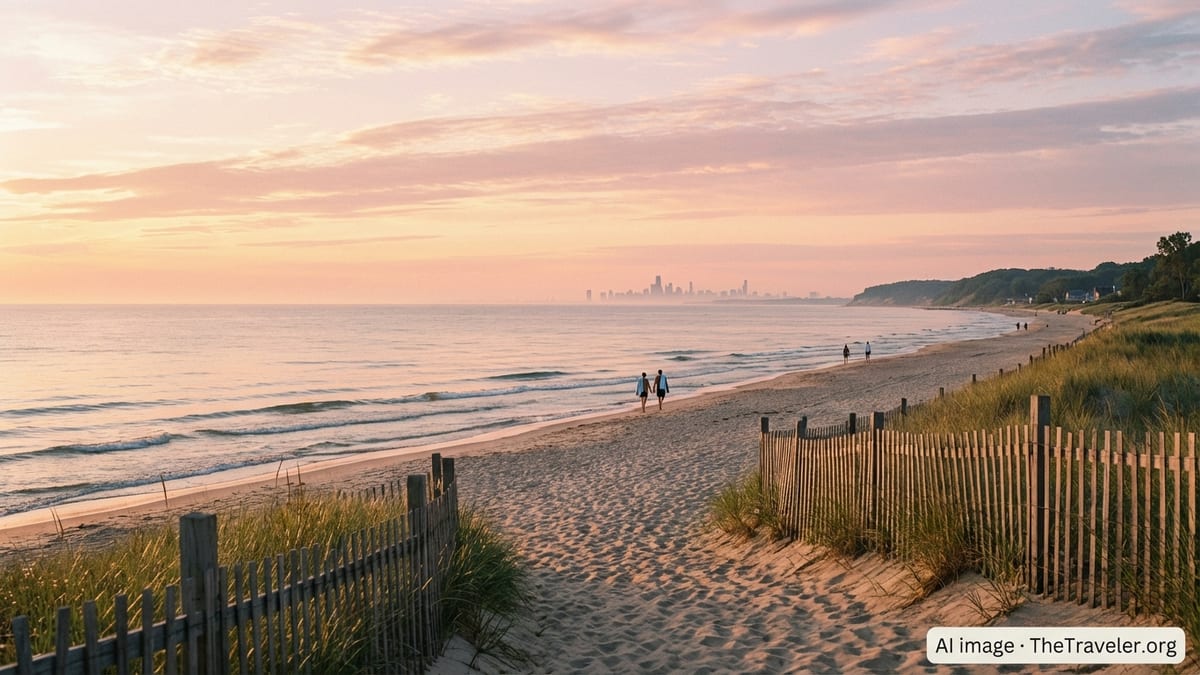
Lake Michigan is the only Great Lake located entirely within the United States, bordered by Michigan, Wisconsin, Illinois, and Indiana. Its shoreline runs for more than a thousand miles if you trace every curve, which means the vibe changes dramatically from one stretch to the next. On the eastern shore you find classic sandy resort towns in Michigan; to the west, wooded bluffs and quiet coves in Wisconsin; at the southern tip, urban beaches backed by Chicago’s skyline; and along northern Door County, a more remote, pine-framed coast. Before you book, it helps to match your expectations to the character of each region.
Weather shapes the Lake Michigan experience as much as geography. Summer, typically from mid-June through early September, is prime beach season with warm days and cooler nights moderated by the water. Late spring and early fall bring fewer crowds, changing foliage, and lower lodging rates, but water temperatures can feel brisk. Winter transforms the shoreline into a stark, beautiful landscape of ice and snow, popular with hardy photographers and outdoor enthusiasts but not ideal if swimming and sunbathing are your priorities. When you decide where to stay, think about how much you care about beach time versus hiking, dining, or cultural attractions.
Because Lake Michigan’s coastal communities are so varied, many travelers combine an urban stay with a quieter beach town. A long weekend in Chicago paired with a few nights in a Michigan or Wisconsin town can deliver both big-city energy and small-town calm without long drives. The key is to understand drive times between regions and plan at least two or three nights in each base so you are not spending your vacation entirely on the highway. With that in mind, here is how the main regions compare for lodging, atmosphere, and access to the lake.
Chicago: Iconic Urban Base on the Southern Shore
Chicago offers arguably the most convenient and cosmopolitan base on Lake Michigan, with direct flights from around the country and an easy train or taxi ride from the airports to downtown. Once you arrive, the city’s long ribbon of public lakefront opens up: beaches, bike paths, parks, and skyline views all sit within a narrow strip between Lake Shore Drive and the water. Staying here works well if you like the idea of morning swims or walks along the Lakefront Trail, followed by afternoons in museums and evenings at acclaimed restaurants or live music venues.
For a classic visitor base, look to neighborhoods like Streeterville and the Gold Coast, which place you within walking distance of Oak Street Beach, Ohio Street Beach, and the city’s central attractions. High-rise hotels and serviced apartments dominate these areas, many offering lake or river views and quick access to Navy Pier, the Magnificent Mile, and downtown theaters. Slightly farther north, Lakeview and Lincoln Park combine residential streets with ready access to green space and the shoreline, while still offering an abundance of dining, nightlife, and transit connections. These neighborhoods suit travelers who want a more local, less corporate-feeling stay while keeping the lake within strolling distance.
Chicago’s lakefront shines in summer, when beaches are staffed with lifeguards, the Lakefront Trail hums with cyclists and runners, and festivals fill the parks. Shoulder seasons can be rewarding, with fewer crowds and competitive hotel rates, though breezes off the lake can feel cool even on sunny days. Winter stays are best for travelers drawn to city life rather than beach time, with the payoff of off-season pricing and views of dramatic lake ice and winter sunsets. If you base here, consider whether you want a car; many visitors rely entirely on walking, bike share, and public transit, then rent a car only for side trips along the lake.
Southwest Michigan: Easy Escapes from Chicago and the Midwest
The southwestern corner of Michigan, sometimes called the “sunset coast,” is one of the easiest Lake Michigan regions to reach from Chicago and northern Indiana. Beach towns like Saint Joseph, New Buffalo, and nearby smaller communities attract weekenders with wide sandy beaches, family-friendly parks, and walkable downtowns. Many visitors arrive by car in two to three hours from Chicago, making this region especially appealing for shorter getaways where you want to maximize time on the sand rather than time on the road.
Saint Joseph works well for travelers who want options without sacrificing small-town charm. The town sits on a bluff above the lake, with access to beaches, a riverfront, and nearby state parks that offer additional stretches of sand and hiking trails. Lodging ranges from chain hotels perched on the bluff to independent inns and vacation rentals on quieter streets. Because Saint Joseph serves as a hub for the surrounding shoreline, it is easy to explore nearby beaches and dunes on day trips while returning to a base with restaurants, coffee shops, and evening activities.
Farther north, South Haven and Saugatuck have become two of the best-known Lake Michigan beach towns. South Haven features a harbor, lighthouses, and a compact downtown within walking distance of both North and South Beaches. The town has invested in trails and waterfront improvements, making it attractive to visitors who like to balance beach time with biking or paddling on nearby rivers. Saugatuck, paired with the smaller village of Douglas, is known for a creative, artsy streak along with one of the region’s most celebrated public beaches. Both towns offer a mix of boutique inns, historic bed-and-breakfasts, and vacation rentals, though summer weekends can book up well in advance.
When choosing a base in southwest Michigan, consider your tolerance for crowds and your priorities. New Buffalo and nearby lakeside communities between the Indiana line and Saint Joseph lean heavily toward second homes and rentals, popular with Chicagoans seeking a quick retreat. South Haven and Saugatuck draw a wider mix of visitors from across the Midwest and beyond, especially in peak season. If you are traveling in July or August and prefer quieter streets, look at shoulder-season dates or midweek stays, or consider smaller inland towns a short drive from the beach.
West Michigan’s Classic Beach Towns: Grand Haven, Muskegon, and Beyond
Continuing north along Michigan’s eastern shore, you encounter a chain of classic beach towns that feel a bit farther from major metros yet remain easy to reach by car. Grand Haven, widely recognized as one of Michigan’s signature beach destinations, blends a broad main beach, a lively seasonal boardwalk, and a working harbor. The town’s iconic red lighthouse and long pier at the mouth of the Grand River give it a postcard-ready feel, especially at sunset when crowds gather along the waterfront. Staying here suits travelers who like a busy, summery atmosphere and appreciate being able to walk from lodging to the beach, restaurants, and evening concerts.
North of Grand Haven, Muskegon is larger and more spread out, with several distinct beaches and parks along the lake. Pere Marquette Beach, one of the region’s standout public beaches, offers a wide swath of sand, volleyball courts, playgrounds, and nearby lighthouses, making it a favorite for families and active travelers. The city also anchors a broader stretch of shoreline with state parks and multi-use trails, so it works well as a base for visitors who want to sample different beaches and outdoor activities during a single stay. Lodging includes hotels near the waterfront, cabin-style rentals in surrounding communities, and options closer to the historic downtown.
Farther north again, towns like Ludington and the communities near Sleeping Bear Dunes appeal to visitors who prize scenery and outdoor adventure as much as traditional beach days. Here, towering dunes, forested trails, and long stretches of relatively undeveloped shoreline create a more dramatic landscape. Lodging in these areas tends to be a mix of small motels, cottages, and vacation homes, with availability varying significantly by season. If your ideal Lake Michigan trip includes long hikes, lighthouse visits, and cooler evenings around a campfire, this central and northern section of Michigan’s west coast can make an excellent base.
In all of these West Michigan towns, summer is the most popular time to visit, with festivals, fireworks, and seasonal attractions in full swing. Spring and fall can be appealing for travelers who want fewer people on the beach and are happy to trade swimming for long walks and photography. In winter, some lodging closes or shifts to weekend-only operations, so it pays to verify opening dates and on-site services before you commit to a particular property.
Door County and Northeast Wisconsin: Quiet Coves and Coastal Villages
On the western side of Lake Michigan, Wisconsin’s Door County juts out into the lake as a long peninsula, with Green Bay to the west and Lake Michigan on the east. While much of Door County’s tourism focuses on the Green Bay side, the Lake Michigan shoreline offers its own appeal: cooler temperatures, quieter beaches, and a wilder, more wooded feel. State parks along this coast protect long stretches of sand and rocky shore, creating a sense of escape that can be hard to find closer to major cities.
Whitefish Dunes State Park and Newport State Park are two of the key Lake Michigan access points on the peninsula. Whitefish Dunes preserves some of the most substantial dunes on Wisconsin’s Lake Michigan coast, with a beach that feels tucked away from development. Newport State Park, designated as a wilderness park, protects miles of shoreline and inland forest, popular with hikers and campers seeking a low-key, nature-first experience. Lodging for these areas is generally found in nearby Door County villages rather than inside the parks themselves, ranging from simple motels and classic roadside resorts to cabins, cottages, and small inns.
The villages of Baileys Harbor and surrounding communities on the Lake Michigan side make practical bases for exploring both the shoreline and inland attractions. Baileys Harbor offers a small harbor, a handful of restaurants and shops, and quick access to nature preserves. Staying here suits travelers who prefer a laid-back rhythm and do not mind driving to reach different trailheads and beaches. Door County overall has a strong tradition of cottage rentals and seasonal homes, so many visitors opt for short-term rentals that provide kitchens and outdoor space instead of traditional hotels.
Door County works particularly well in late spring, summer, and early fall, when roads and attractions are fully open and the weather supports hiking, paddling, and beach picnics. Winters are long and quiet, with some properties and restaurants closing for the season. If your main goal is to unplug in a natural setting, watch sunrises over the lake, and explore a web of forested trails rather than seek nightlife, this region delivers a very different Lake Michigan experience compared to the more built-up beaches in Michigan and Illinois.
Small-Town Stays in Northern Michigan and the Upper Peninsula
While much of the attention around Lake Michigan focuses on its southern and central shores, the northern reaches of the lake offer a slower, often cooler alternative that appeals to repeat visitors and road trippers looking for fewer crowds. At the northern tip of Michigan’s Lower Peninsula and along the Lake Michigan side of the Upper Peninsula, you will find small towns, forested headlands, and stretches of beach that can feel almost empty outside peak holiday weekends. The atmosphere is more about quiet exploration and scenic drives than boardwalks or nightlife.
On the Lower Peninsula, towns west and northwest of the Mackinac Bridge offer access to Lake Michigan’s cooler waters and pine-framed beaches. Many travelers combine a stay here with time on nearby inland lakes or with visits to islands and coastal state parks. Lodging often takes the form of small motels, rustic resorts, and cabins that have hosted families for generations, along with newer vacation rentals that cater to travelers seeking more space or kitchen facilities. Because these communities sit farther from major population centers, they tend to feel less crowded even during traditional vacation weeks, though availability can still tighten on peak weekends.
Across the bridge in the Upper Peninsula, the Lake Michigan shoreline feels wilder and less developed, with long, occasionally windswept beaches and a sense of distance from the busier southern towns. Small communities and roadside parks provide access to the water, while inland forests and wetlands support wildlife and birding. Accommodation can be more limited in number and simple in style, so travelers who value a specific level of amenities should check carefully before booking. The reward is a sense of space and quiet that can be hard to find closer to the lake’s southern arcs.
These northern regions reward flexibility and a taste for exploration. Weather can change quickly, and even in midsummer, evening temperatures may call for layers. For travelers who put a premium on starry skies, uncrowded beaches, and drives where the lake appears around the bend unexpectedly, a stay in northern Lake Michigan communities can feel like discovering a different side of a familiar body of water.
How to Choose the Right Lake Michigan Base for Your Trip
With so many different towns and neighborhoods around Lake Michigan to choose from, the best place to stay comes down to your priorities, your travel companions, and the time of year. If you thrive on culture, dining, and nightlife and want lakeside access in a walkable setting, Chicago or a larger West Michigan town such as Grand Haven or Muskegon may fit best. Families with young children often gravitate toward compact beach towns like South Haven or Saint Joseph, where short walks connect playgrounds, ice cream shops, and gentle beaches with lifeguards in summer.
Couples seeking a slower pace might prefer a Door County village, Saugatuck, or a northern Michigan town, where evenings are spent at local restaurants or on porches rather than in crowded bars. Outdoor enthusiasts who care more about hiking, paddling, and photography than traditional beach days tend to favor regions with large state parks and natural dunes, such as Ludington and the areas near Sleeping Bear Dunes on the Michigan side, or Newport and Whitefish Dunes State Parks in Wisconsin. In each case, think about how you want to spend your days and select a base where you can reach most activities without long drives.
Budget and logistics also play a role. Chicago and major resort towns typically command higher summer rates, especially for lakeview rooms or properties within walking distance of the beach. Smaller inland towns and properties a short drive from the water can offer better value. If you plan to rely on public transportation, Chicago is by far the most practical choice, as most smaller lake towns still require a car to access beaches and attractions. For those arriving by air, flying into Chicago, Grand Rapids, or Milwaukee and then driving onward is a common strategy, giving you flexibility to combine at least two distinct regions in a single itinerary.
Finally, consider whether you want a single base or a mini road trip. Lake Michigan’s loop lends itself to multi-stop journeys: a few nights in Chicago followed by several in southwest Michigan; a swing up through Grand Haven and Muskegon before crossing to Door County; or a longer loop that includes northern Michigan and a taste of the Upper Peninsula. Each additional base adds some packing and driving time, but it also broadens your sense of how varied this one lake can be. Careful planning of distances and overnight stops can keep the trip relaxed while still allowing you to sample both city lights and quiet shores.
The Takeaway
Lake Michigan is less a single destination and more a series of overlapping worlds that all happen to share the same water. From Chicago’s skyscraper-backed beaches to southwest Michigan’s sunset towns, West Michigan’s classic resorts, Door County’s quiet coves, and the understated charm of the northern shoreline, the options for where to stay are remarkably diverse. The key is to be honest about the pace, scenery, and activities you want most, then choose a base that lets you experience those easily rather than trying to do everything in one trip.
If you are planning a first visit, pairing Chicago with one or two nearby beach towns can give you a useful contrast between urban energy and small-town calm. Return visitors often push farther afield to Door County or northern Michigan in search of quieter stretches of sand and forest. No matter which base you select, remember that weather and crowds change with the season, and that booking early for peak summer dates is wise in the most popular communities. Lake Michigan will still be here on your next trip, waiting with a different shoreline and perspective to discover.
FAQ
Q1. What is the best time of year to visit Lake Michigan beach towns?
The most popular months are June through early September, when water and air temperatures are warmest and most seasonal businesses and attractions are fully open.
Q2. Where should I stay if I want both city life and a Lake Michigan beach experience?
Chicago is the most convenient choice, with neighborhoods like Streeterville, the Gold Coast, and Lakeview offering easy access to public beaches, parks, and urban amenities.
Q3. Which Lake Michigan towns are best for a quick weekend from Chicago?
Southwest Michigan communities such as New Buffalo, Saint Joseph, South Haven, and Saugatuck are popular for short trips because they are typically two to three hours by car.
Q4. Are there quieter Lake Michigan areas for travelers who want fewer crowds?
Door County’s Lake Michigan side, northern West Michigan near Ludington and Sleeping Bear Dunes, and parts of northern Michigan and the Upper Peninsula usually feel less crowded than the busiest southern beaches.
Q5. Do I need a car to visit Lake Michigan destinations?
In Chicago you can rely on public transit, walking, and ride share, but in most smaller lake towns and parks a car is very helpful for reaching beaches, trails, and lodging.
Q6. What types of accommodations are common around Lake Michigan?
You will find everything from downtown hotels and high-rise apartments in Chicago to boutique inns, classic motels, cabins, cottages, and vacation rentals in smaller towns and rural areas.
Q7. How far in advance should I book lodging in popular Lake Michigan towns?
For July and August stays in well-known towns like South Haven, Saugatuck, Grand Haven, or Door County villages, it is wise to book several months ahead, especially for weekends.
Q8. Which Lake Michigan areas are best for outdoor activities beyond swimming?
Regions with large state parks and dunes, such as Ludington, Sleeping Bear Dunes, Whitefish Dunes State Park, and Newport State Park, are ideal for hiking, paddling, and nature photography.
Q9. Are Lake Michigan beaches suitable for families with young children?
Yes, many beaches have gentle slopes, soft sand, nearby playgrounds, and in-season lifeguards, particularly in towns like Saint Joseph, South Haven, Grand Haven, and Muskegon.
Q10. Can I combine several Lake Michigan regions in one trip?
Many travelers do. A common approach is to start with a few days in Chicago, then drive to one or two beach towns in Michigan or Wisconsin, creating a flexible loop around part of the lake.