

Choosing where to stay in France can shape your entire trip, whether you dream of café-lined boulevards, vineyard-draped hills, medieval harbour towns or snow-capped mountain villages. From first-time visitors plotting a classic Paris and wine-country escape to repeat travelers seeking fresh corners of the country, understanding the character of each region will help you match your base to your style, season and budget.
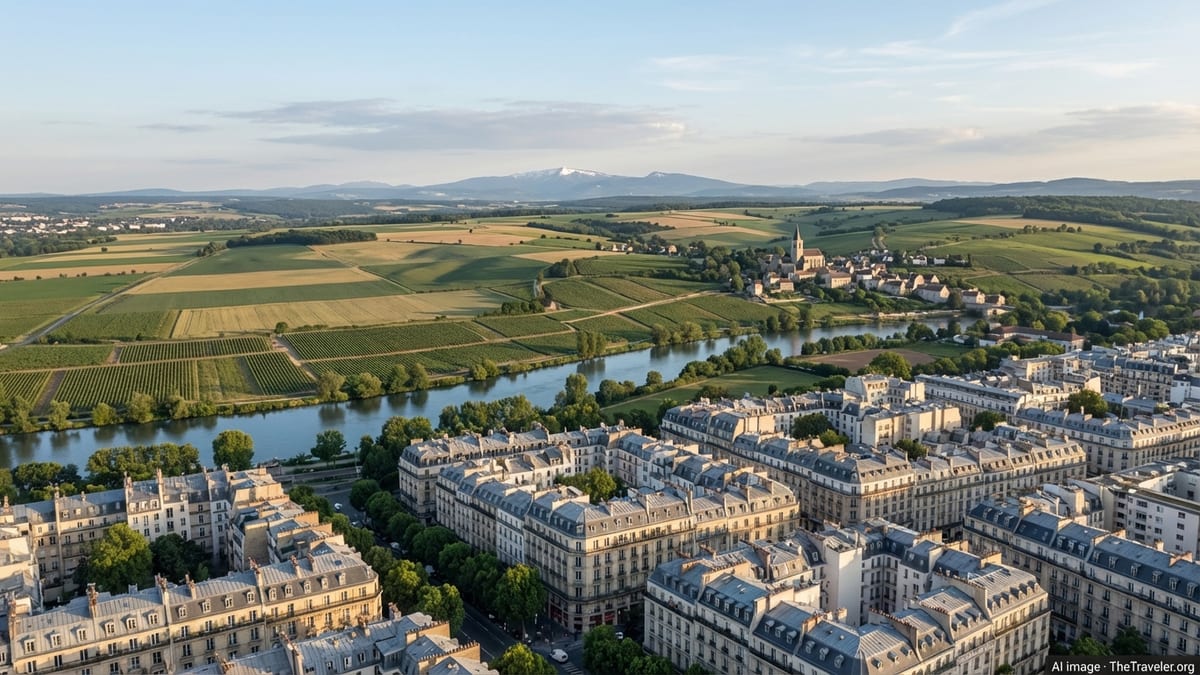
How to Choose Where to Stay in France
France is compact enough that you can cover several regions in one trip, yet diverse enough that each area feels like a different country. When deciding where to stay, start by thinking about pace: do you prefer the energy of a big city, the slower rhythm of the countryside, or a mix of both? Paris anchors many itineraries, but adding a few nights in wine country, on the coast or in the mountains often turns a good holiday into a memorable one.
Season matters. Coastal areas on the Mediterranean fill up in July and August, while alpine resorts peak in winter and again in late spring and summer for hiking. Shoulder seasons from April to June and September to October generally offer milder weather and fewer crowds in most regions, particularly in Paris, the Loire, Burgundy, Champagne and Provence. In winter, cities like Paris, Lyon and Strasbourg come into their own with museum-hopping, food-focused stays and festive markets.
Your interests should guide your choice. Food and wine travelers gravitate to Bordeaux, Burgundy, Lyon and Champagne. History enthusiasts often focus on Normandy and the Loire Valley, while art lovers might favour Paris and the Riviera. Families typically appreciate regions with shorter driving distances, accessible outdoor activities and a good choice of mid-range accommodation, such as Brittany, the Dordogne and parts of Provence.
Finally, consider logistics. Paris is the main international gateway, with high-speed trains fanning out in almost every direction. Many of France’s best regions, from the Loire Valley to Bordeaux and Lyon, can be reached in a few hours or less by train. Renting a car is most useful in rural areas such as Provence’s hill villages, the Dordogne, parts of Normandy and the more remote corners of the Alps. For a first visit, a combination of trains between major hubs and a short car rental in one region works well.
Paris and Île-de-France: Classic First Base
For most travelers, Paris and its surrounding Île-de-France region are the natural starting point. The city’s central role in France’s rail and air networks makes it a convenient hub, and its density of sights rewards at least three nights. Staying within the city limits lets you explore on foot and by Metro, with neighbourhoods ranging from grand central districts near the Seine to more residential quarters in the east and south.
First-time visitors often choose central areas for ease of sightseeing. Districts on or near the river place you close to major landmarks, museums and historic streets. These neighbourhoods tend to offer a wide mix of hotels and apartments, from discreet luxury properties in 19th-century buildings to smaller boutique stays and design-led guesthouses. Prices are highest during spring, early summer and autumn events, and more moderate in winter outside peak holidays.
Repeat visitors sometimes prefer to base themselves in livelier local districts, where the focus shifts from monuments to markets, bookshops and bistros. Eastern and northeastern quarters attract younger travelers with creative dining scenes and nightlife, while western districts cater more to classic elegance and shopping. Public transport across Paris is frequent and generally reliable, so even if you stay away from the centre you are rarely more than a short ride from major sights.
Beyond the city proper, Île-de-France offers easy day trips to royal palaces, forested country towns and smaller cities. Many visitors base entirely in Paris and explore outwards on day excursions. Others opt to spend a night outside the city, perhaps in a historic town dominated by a palace or château, to enjoy quieter evenings and spacious gardens after day-trippers leave. This can be particularly appealing in high season, when central Paris is at its busiest.
Provence and the French Riviera: Sun, Scenery and Style
Provence and the Côte d’Azur in the south of France have long captured travelers’ imaginations with their distinctive light, markets and Mediterranean coastline. Inland Provence offers stone villages, olive groves and lavender fields in season, while the Riviera delivers a mix of beach life, Belle Époque architecture and contemporary art. Choosing between them comes down to whether you picture yourself starting the day in a hilltop town or by the sea.
Inland hubs such as Aix-en-Provence and Avignon work well for visitors who want culture as well as countryside. They have good train connections to Paris and other French cities, compact historic centres and a lively year-round atmosphere. From either base, you can venture out by car or on organised tours to explore villages, vineyards, Roman ruins and regional natural parks. Many travelers choose traditional farmhouses or small hotels surrounded by fields and vineyards for a slower-paced stay.
The Riviera, running broadly from Toulon towards the Italian border, is better for those who prioritise coastal views and nightlife. Cities and towns along this stretch include busy ports, resort towns and smaller fishing villages that now cater to visitors. Beaches range from long urban promenades to sheltered coves framed by cliffs and pine trees. Staying in or near major coastal hubs makes arrival and departure easier, particularly in summer when local traffic can be heavy.
Timing is crucial here. Peak summer months bring heat, crowds and higher prices across much of Provence and the Riviera, especially during major events and school holidays. Late spring and early autumn often deliver warm days, cooler nights and a more relaxed pace, ideal for walking, cycling and long lunches on shaded terraces. Winter stays on the Riviera can be surprisingly atmospheric, with gentler light, fewer visitors and lower hotel rates, while inland Provence tends to be quieter and cooler.
Loire Valley, Bordeaux and Wine Country Retreats
Central and western France provide some of the country’s most appealing bases for travelers interested in wine, castles and countryside. The Loire Valley, often described as the garden of France, is famous for its cluster of Renaissance châteaux, riverside towns and cycling paths. Bordeaux and its surrounding vineyards, further southwest, offer a more urban wine experience, with a handsome city at the core and world-renowned appellations fanning out in every direction.
In the Loire, many visitors stay in mid-sized towns along the river that provide a good choice of accommodation and dining while keeping driving distances manageable. Properties range from converted manor houses in villages to château hotels and modern riverside stays. Basing in one town for several nights allows time to explore nearby castles, gardens and vineyards without constant packing and unpacking. The region is particularly pleasant from late spring through early autumn, when gardens are in bloom and cycling routes are fully open.
Bordeaux, by contrast, suits travelers who like the idea of combining city comforts with day trips. The city has undergone widespread renovation in recent years, with restored quaysides, contemporary museums and a thriving food scene. From a base in the centre, you can head out to wine areas that specialise in reds, whites or dessert wines, depending on your interests. Some visitors divide their time between a few nights in Bordeaux itself and a stay in a vineyard hotel or guesthouse among the vines.
Other wine-focused bases worth considering include Burgundy and Champagne. Burgundy, with its patchwork of vineyards, medieval towns and small cities, appeals to travelers who enjoy atmospheric streets and long meals. Champagne, northeast of Paris, is more compact and works well for shorter breaks. In both regions, staying in or near a main town gives you access to cellars, guided tastings and local restaurants, with the option of excursions into villages and vineyard slopes.
Normandy, Brittany and the Northern Coasts
For cooler temperatures, distinctive coastal scenery and a strong sense of regional identity, northern France is hard to beat. Normandy and Brittany share a rugged shoreline punctuated by fishing harbours, long sandy beaches and fortified towns. Inland, the landscape gives way to dairy farms, orchards and villages with half-timbered houses. These regions offer a very different feel from the Mediterranean south, with a climate that is generally milder in summer and cooler in winter.
Normandy suits travelers interested in Second World War history, Impressionist art and traditional seaside resorts. Many visitors base themselves in towns within reach of the D-Day landing beaches and related museums, combining days of remembrance with walks along the coast and visits to historic ports. Inland bases in the countryside appeal to those seeking quiet stays among apple orchards and market towns. Coastal centres tend to have a broader selection of hotels, while rural areas lean more towards guesthouses and small inns.
Brittany has a wilder edge, with dramatic headlands, lighthouses and islands scattered along its coast. Historic port cities and walled towns share the shoreline with more low-key fishing villages that now welcome visitors as well as working boats. Inland, you find wooded valleys, stone-built hamlets and ancient sites. Accommodation ranges from family-run hotels overlooking harbours to country manors and converted farmhouses. Self-catering cottages are popular, particularly for longer summer stays and family trips.
Travelers often combine Normandy and Brittany in a single itinerary, moving gradually west along the coast. Driving offers the most flexibility, but cross-country trains between several major towns make it possible to explore by rail and local bus. Peak season here falls in July and August, especially along the coast, though spring and early autumn can be rewarding with fewer crowds and still-pleasant weather. Winter stays bring quieter towns, stormy seas and a more contemplative atmosphere.
The French Alps and Mountain Towns
France’s alpine regions provide strikingly different experiences depending on the season. In winter, ski resorts dominate, drawing visitors for downhill runs, snowboarding and après-ski. From late spring through autumn, many of the same towns become gateways to hiking, cycling, climbing and high-altitude lakes. For travelers who enjoy crisp air and outdoor activities, basing in the Alps can be a highlight of a French trip.
Ski-focused resorts vary from purpose-built stations perched high on the slopes to long-established villages with wooden chalets and historic churches. Choosing where to stay often hinges on your priorities: ski-in, ski-out convenience, traditional village atmosphere, family-friendly facilities or access to extensive linked ski areas. Non-skiers can still enjoy winter in the Alps, with opportunities for snowshoeing, spa visits, scenic cable cars and hearty mountain cuisine built around cheese, potatoes and cured meats.
In the warmer months, alpine valleys and peaks attract walkers, road cyclists and mountain bikers. Towns that are busy with skiers in winter shift their focus to trails and viewpoints, offering lifts that carry visitors to panoramic ridges and pastures. Lakes in and around the mountains provide swimming, sailing and paddle sports, while smaller villages host weekly markets and local festivals. Staying in a lower-altitude town often means wider shops and restaurant choices, while higher hamlets offer more immediate access to trails.
Beyond the Alps, other mountainous corners of France such as the Pyrenees and the Massif Central offer more off-the-beaten-path alternatives. These regions generally see fewer international visitors and can provide good value in accommodation and dining. Bases here are best suited to independent travelers comfortable with renting a car, as public transport can be limited once you leave the main rail lines.
Lyon, Strasbourg and Other Underrated City Bases
While Paris dominates many travel plans, several mid-sized French cities make excellent bases in their own right. Lyon, at the junction of the Rhône and Saône rivers, has long been regarded as a culinary capital. Its compact historic core, riverside promenades and network of hidden passageways offer plenty to explore over several days. The city is also a useful jumping-off point for trips into the Beaujolais and northern Rhône wine regions, as well as the Alps.
Strasbourg, on the border with Germany, combines timber-framed architecture, canals and a striking Gothic cathedral. Its location makes it an attractive stop for travelers connecting France with central Europe, and its well-developed public transport network means you can stay in central districts without needing a car. From Strasbourg, it is easy to branch out along a well-known wine route through hillside villages, or to visit smaller cities with rich cultural heritage.
Other often-overlooked city bases include Lille in the north, a former industrial hub transformed by museums, shopping streets and a lively student population, and Toulouse in the southwest, nicknamed the Pink City for its rosy brick facades. Each offers a distinctly local atmosphere, with regional cooking, markets and festivals. These cities tend to be less crowded than Paris and the Riviera but still have good air and rail links, making them practical as well as characterful.
Staying in a secondary city can also help with budget. Accommodation and dining prices are often lower than in Paris or the most fashionable coastal towns, particularly outside major events and holidays. For travelers who enjoy urban life but prefer a more relaxed pace, building a trip around one or two of these cities, with day trips into their surrounding regions, can be a rewarding approach.
The Takeaway
There is no single best place to stay in France. The right base depends on your priorities, from art and architecture to coastline, countryside or mountains. Paris and Île-de-France remain a natural starting point, but branching out into regions such as Provence, the Loire, Normandy, Brittany, the Alps or lesser-known cities like Lyon and Strasbourg reveals just how varied the country can be.
For many travelers, the most satisfying itineraries combine one or two cities with at least one rural or coastal stay, balancing museum visits and restaurant evenings with time outdoors. Paying attention to seasonality, travel times between bases and your own ideal pace will help you choose wisely. Whether you are planning a first journey or returning to explore a new corner, France offers a wealth of regions and cities ready to become your next favourite place to stay.
FAQ
Q1. Where is the best place to stay in France for a first visit?
For a first trip, many travelers split their time between Paris and one additional region such as the Loire Valley, Provence or Normandy, combining city highlights with a taste of the countryside.
Q2. How many regions or cities should I include in a two-week stay?
In two weeks, three bases is usually comfortable: for example Paris, one coastal or rural region, and one additional city, allowing several nights in each without constant packing.
Q3. Is it better to stay in one place and do day trips, or move around?
Both approaches work, but most visitors enjoy a mix: using a city like Paris or Lyon for day trips, then spending several nights based in a countryside or coastal area.
Q4. Do I need a car to explore the French countryside?
A car is very useful in rural regions such as parts of Provence, the Dordogne, Burgundy and Brittany, while areas like Paris, Lyon, Bordeaux and major coastal cities can be explored easily by train and local transport.
Q5. When is the best time of year to stay in Provence or the Riviera?
Late spring and early autumn usually offer warm weather with fewer crowds than July and August, which can be hot, busy and more expensive along the Mediterranean coast.
Q6. Which French cities are good alternatives to Paris as a base?
Lyon, Bordeaux, Strasbourg, Lille, Toulouse and Marseille all make strong bases, with distinctive local character, good transport links and plenty of cultural and culinary attractions.
Q7. Where should I stay in France for wine-focused travel?
Top choices include the Loire Valley, Bordeaux, Burgundy, Champagne and Alsace, where you can base in a main town or small city and explore nearby vineyards and cellars.
Q8. Is it expensive to stay on the French Riviera?
Prices on the Riviera are generally higher in peak season, especially in famous resorts, but more affordable options exist in shoulder seasons and in smaller inland or less-publicised coastal towns.
Q9. What are good family-friendly bases in France?
Families often enjoy Normandy and Brittany for beaches and history, the Loire Valley for castles and cycling, and certain alpine or lakeside towns that offer outdoor activities for all ages.
Q10. How far in advance should I book accommodation in popular regions?
In sought-after areas such as Paris, Provence, the Riviera and major alpine resorts, booking several months ahead for peak dates is sensible, while shoulder seasons often allow more flexibility.