

Germany is one of Europe’s most rewarding countries for travelers, with efficient transport, characterful cities, and a huge range of places to stay. The challenge is not finding accommodation, but choosing the right city and neighborhood for your budget and travel style. From Berlin’s creative quarters to Munich’s beer-soaked old town and Hamburg’s waterfront districts, this guide breaks down where to stay in Germany so you can spend less time stressing over maps and more time enjoying the trip.
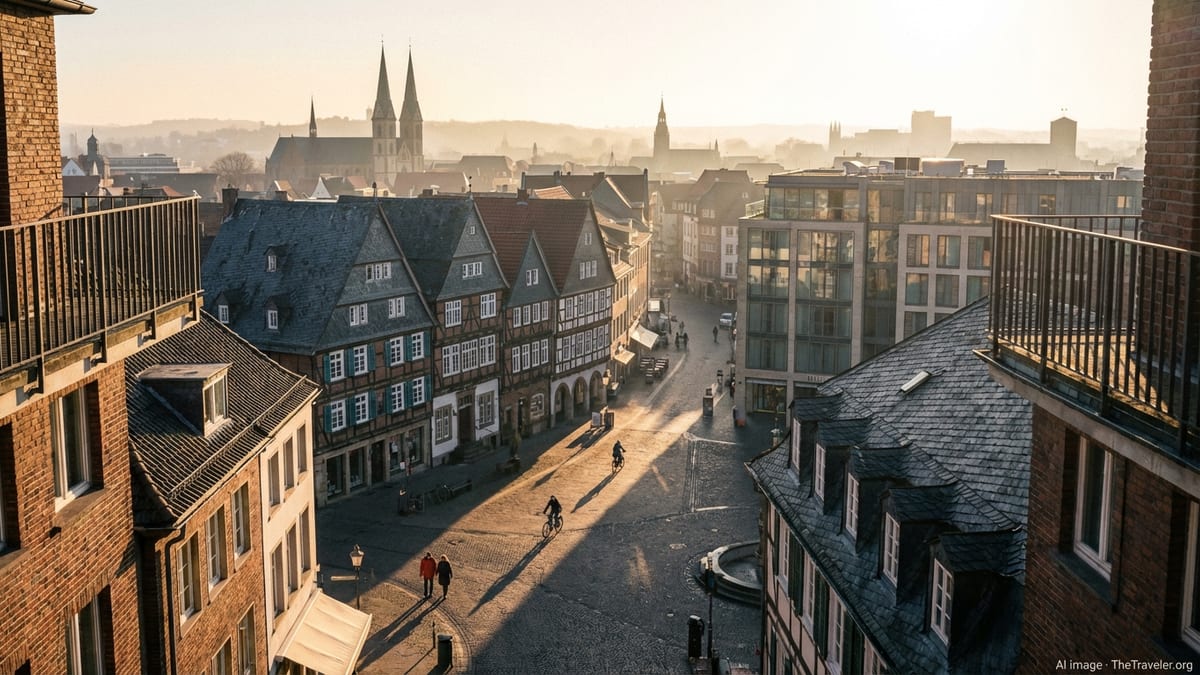
How to Choose Where to Stay in Germany
Before you zoom in on specific cities and districts, it helps to think about how you travel. Germany’s rail network is extensive, and many visitors build their itinerary around a few key hubs rather than constantly changing hotels. For stays under a week, basing yourself in one major city and adding day trips often makes more sense than hopping every night. For longer trips, pairing two or three contrasting bases such as Berlin, Munich, and Hamburg gives you a good cross-section of the country.
Your budget will stretch differently depending on where you go. Big business hubs like Munich and Frankfurt tend to have higher hotel rates, especially during trade fairs and major events, while cities such as Leipzig or Nuremberg often provide better value. Smaller university towns can offer affordable rooms outside peak graduation or festival dates. As a rule of thumb, central, historic areas cost more but cut down on transport, while outlying neighborhoods are cheaper yet require more time and planning.
Think carefully about your priorities. First-time visitors usually appreciate being within walking distance of major sights, even if that means a slightly smaller room. Night owls may prefer lively, mixed-use districts with late-opening bars and restaurants, while families commonly seek quieter residential zones near parks and playgrounds. In most German cities, public transport is reliable, so being near an S-Bahn or U-Bahn station matters almost as much as being right in the old town.
Finally, consider seasonality. Summer and early autumn bring festivals, riverfront life, and beer gardens, but also higher demand for central rooms. Winter can mean lower prices, except during Christmas markets when traditional old towns fill up quickly. Booking ahead for peak periods is sensible, especially in classic city-break destinations such as Berlin, Munich, and Hamburg.
Berlin: Creative Capital for All Budgets
Germany’s capital offers some of the country’s broadest accommodation choices, from backpacker hostels in converted factories to design hotels in former bank buildings. For first-time visitors and many families, Mitte is the most convenient base. This central district gathers big-hitting sights such as Brandenburg Gate and Museum Island, and current safety assessments consistently describe it as busy, well monitored, and generally safe for tourists, especially on main streets and around major landmarks.
Travelers who want a slightly calmer but still central area often look to Prenzlauer Berg. Once heavily alternative, it is now known for tree-lined avenues, playgrounds, and a relaxed café culture. Recent safety guides highlight it as one of Berlin’s safer, more family-friendly pockets, with good lighting, frequent trams, and a more polished feel than some nightlife-heavy districts. Prices here are not the lowest, but there is a solid mix of mid-range hotels, serviced apartments, and guesthouses that work well for longer stays.
Charlottenburg is another strong choice if you like elegant architecture, classic shopping streets, and a more traditional city feel. Centered around Kurfürstendamm and Charlottenburg Palace, it combines large chain hotels with boutique options, giving business travelers and couples plenty of choice. For younger visitors chasing nightlife and street art, districts such as Friedrichshain and Kreuzberg are popular. They offer a dense cluster of bars, clubs, and creative spaces, though they can be noisy and occasionally rough around the edges late at night, so choosing well-reviewed streets and properties is advisable.
Budget-conscious travelers often consider rapidly gentrifying areas like parts of Neukölln. These neighborhoods can provide good value and a lively multicultural atmosphere, but they are more mixed, with certain streets associated with higher levels of petty crime or visible social issues. If you are new to Berlin or traveling solo, staying in more established parts of Neukölln or opting instead for safer, well-connected districts such as Schöneberg may feel more comfortable, even if you pay slightly more per night.
Munich: Historic Charm and Beer Garden Culture
Munich is smaller and more compact than Berlin, and where you stay has a big impact on your experience. Altstadt, the historic old town centered on Marienplatz, is the classic first-timer choice. This is where you find the famous town hall with its clock tower, traditional beer halls, and many of the city’s main churches and museums within walking distance. An up-to-date neighborhood guide notes that typical mid-range hotel rates in Altstadt run noticeably higher than elsewhere in the city, but the convenience and atmosphere are hard to beat, especially if you have only a few days in town.
Just north of the center lies Schwabing, traditionally Munich’s bohemian and student district. Today it mixes university life, independent bookshops, and lively bars with access to the vast English Garden. Recent travel coverage describes Schwabing as youthful, intellectual, and café-focused, with average nightly rates that can be kinder to the budget than the premium old town, while still offering an easy tram or U-Bahn ride into the center. It is a particularly good base for younger travelers, digital nomads, and anyone who appreciates a neighborhood feel.
Maxvorstadt, sometimes referred to as the museum quarter, is another strong contender. Packed with galleries, major art museums, and university buildings, it strikes a balance between cultural institutions and everyday student life. Accommodation options range from business-style hotels to simple guesthouses, often at moderate prices compared with Altstadt. For families and those who value green space, residential districts around the English Garden or near the Isar River provide quieter stays, with playgrounds and cycle paths at your doorstep.
Munich’s prices spike sharply during major events, especially Oktoberfest and large trade fairs. If your budget is tight, consider staying slightly farther out in well-connected residential quarters and relying on the S-Bahn. Because public transport is punctual and extensive, a 15- to 25-minute ride from an outlying station can significantly cut costs while keeping the city center easily accessible for sightseeing.
Hamburg: Waterfront Districts and Nightlife Hubs
Hamburg offers a very different atmosphere to inland German cities, with its harbor, canals, and maritime history shaping the feel of each neighborhood. For first-time visitors, guides updated in the last year often highlight the pairing of Speicherstadt and HafenCity as ideal central bases. Speicherstadt’s historic red-brick warehouses and canals, together with HafenCity’s modern waterfront developments and proximity to headline attractions like the Elbphilharmonie concert hall, create a walkable area with a mix of upscale hotels and comfortable mid-range properties.
The city’s traditional Altstadt and Neustadt districts also appeal to visitors who want classic architecture and shopping streets. Rates in and around Hamburg’s old town tend to carry a central premium, but you gain immediate access to the town hall, main shopping avenues, and harbor promenades. Travelers on a tighter budget often consider nearby St. Georg. This neighborhood stretches from the main train station toward the city lake and combines diverse eateries and LGBTQ-focused nightlife with some handsome 19th-century buildings. Local advice repeatedly notes that while streets closer to the lake and the elegant Lange Reihe feel pleasant and lively, the immediate surroundings of the station can be rougher and less comfortable, particularly late at night, so exact location matters.
For nightlife, St. Pauli is Hamburg’s most famous district, known for its bar- and club-filled Reeperbahn. It is lively, noisy, and very much geared to late-night entertainment. If you want to be close to the action but sleep in a slightly calmer environment, nearby Sternschanze and Karolinenviertel can be smart compromises. A locally written guide from late 2025 describes these twin neighborhoods as among the city’s trendiest, with alternative culture, street art, independent boutiques, and cozy cafés that attract a creative crowd, while still keeping the main sights reachable by U- and S-Bahn.
Budget travelers and those staying longer may appreciate Altona, a broad western district bordering the Elbe River. Recent travel writing describes its Ottensen subdistrict in particular as offering better value than the very center while still providing a local high street, access to the waterfront, and straightforward links by train or bus into Altstadt and HafenCity. This makes it attractive for visitors seeking a slightly more residential feel and lower nightly rates without being too far removed from central attractions.
Other Great German Cities to Use as a Base
While Berlin, Munich, and Hamburg absorb much of the international attention, several other German cities work brilliantly as bases, often with more moderate prices and a strong sense of regional character. Cologne is a perennial favorite for urban short breaks, dominated by its Gothic cathedral and Rhine riverfront. Staying near the central station and old town puts you minutes from the cathedral and museums, though these areas cost more. Deutz, across the river, can be a smart alternative, with good transport links and often gentler room rates while still offering views back to the historic skyline.
Frankfurt, commonly associated with finance, can surprise visitors with its compact old town reconstruction, riverside promenades, and nearby vineyards. Hotels in the high-rise business district and directly around the main station primarily serve business travelers and may be expensive during trade fairs. Leisure visitors often look to slightly quieter neighborhoods near the riverside or in residential districts reachable in a short tram ride. Because Frankfurt is one of Germany’s main air hubs, it can also function well as a first or last overnight stop in a longer itinerary, especially if you are managing jet lag.
Leipzig and Dresden provide rich cultural experiences in eastern Germany, usually at lower average hotel prices than the big three cities. In Leipzig, staying close to the compact center keeps historic churches, concert halls, and market squares at hand, with a few emerging hip quarters on the fringes for those who prefer a more alternative scene. Dresden’s old town and the area across the river in the Neustadt offer a contrast of baroque landmarks and youthful bars. Both cities connect efficiently by rail to Berlin and other hubs, making them strong options if you want to add depth without dramatically raising your accommodation budget.
Farther south, Nuremberg, Stuttgart, and smaller university towns such as Heidelberg or Freiburg can serve as relaxed bases for exploring surrounding countryside, vineyards, and castles. In these cities, staying in or just next to the historic core usually gives the best mix of atmosphere and convenience at prices that can undercut Munich or Hamburg. Because many of these towns host annual trade fairs or major festivals, check event calendars when setting dates, as rates can jump noticeably during those periods.
Budget, Mid-Range, and Luxury: Matching Areas to Your Wallet
Across Germany, the same pattern emerges in most cities. Historic cores and prestigious shopping boulevards contain many of the luxury properties and design hotels, with rates that can rival other major European capitals. If your budget allows, staying in these central districts places you at the heart of the action. Examples include Berlin’s upscale pockets of Mitte and Charlottenburg, Munich’s Altstadt and parts of Maxvorstadt, and Hamburg’s HafenCity and lakefront facades. These neighborhoods typically offer polished streetscapes, immediate access to cultural institutions, and high-end dining, though you pay noticeably for the privilege.
The widest choice for mid-range travelers sits just beyond these premium cores. In Berlin, that might mean Prenzlauer Berg or the calmer parts of Friedrichshain and Kreuzberg; in Munich, Schwabing and the quieter corners of Maxvorstadt; in Hamburg, areas such as Sternschanze, Altona, and the more residential parts of St. Georg and Neustadt. Here you are still within easy reach of the center, often by a short tram or subway ride, but nightly rates drop and you gain a more lived-in neighborhood feel, with supermarkets, bakeries, and local cafés on your doorstep.
For tight budgets, look for districts on major transit lines slightly farther out, or consider university towns and secondary cities instead of the biggest hubs. In Berlin, student-heavy or rapidly changing districts can offer low-cost hostels and simple hotels, though you should pay attention to recent reviews for comments on safety, noise, and cleanliness. In Munich and Hamburg, outlying residential areas connected by S-Bahn lines can yield solid savings, especially outside major event dates. Self-catering apartments also help cut food costs if you are comfortable navigating local supermarkets and cooking facilities.
Whatever your price point, book early for peak periods like Christmas markets, big football matches, and major cultural festivals. Flexible travelers who can shift dates by a day or two, or who are willing to stay Sunday through Thursday instead of weekends, often find better value while still sleeping in central, desirable neighborhoods.
Practical Tips for Booking Accommodation in Germany
A bit of practical planning goes a long way when choosing where to stay. Start by mapping your must-see sights and identifying which districts cluster close to them. Then compare average room prices across neighborhoods for your travel dates. Because many German cities operate busy trade-fair calendars, it is common to see big swings in prices from one week to the next, especially in business centers like Frankfurt, Hanover, or Düsseldorf. Adjusting your trip by even a small margin can open up higher-quality accommodation within the same budget.
Look beyond headline photos and star ratings when comparing properties. Guest comments about noise, air conditioning, and proximity to public transport stops provide useful context, particularly in nightlife-heavy districts. In areas with mixed reputations, such as streets right around some major stations, recent reviews can indicate whether the immediate surroundings feel comfortable at night. If safety is a key concern, prioritize neighborhoods that current travel advisories describe as calm and well lit and look for hotels that mention staffed receptions, secure entry systems, and in-room safes.
Germany’s city visitor cards often include public transport and discounted entry to museums, making it less crucial to stay directly next to every attraction. If a well-connected, slightly outlying neighborhood offers a more spacious room and quieter nights, that can be a better overall experience than the smallest option in the absolute center. Factor in the cost of daily transport when comparing options. In many cases, two or three short rides per day still work out cheaper than a central hotel premium.
Finally, think about your own rhythm. Early risers who plan day trips by train may genuinely benefit from being near a station, while late-night revelers risk disturbed sleep if they book directly on a party street. Couples on a city-break might prioritize walkable restaurant choices, whereas families may value playgrounds and supermarkets more. Germany’s cities are varied and well connected, so with a little research, you can usually find a neighborhood that matches both your budget and your travel personality.
The Takeaway
Germany rewards thoughtful choices about where to stay. Rather than chasing the absolute cheapest deal or defaulting automatically to the old town, match your base to what you want from the trip. Berlin offers a spectrum from central, landmark-filled Mitte to café-rich Prenzlauer Berg and nightlife-heavy Friedrichshain and Kreuzberg. Munich balances storybook Altstadt charm with the youthful energy of Schwabing and the cultural depth of Maxvorstadt. Hamburg’s maritime personality comes through in its historic Speicherstadt, modern HafenCity, and creative districts like Sternschanze and Altona.
Beyond these big three, cities such as Cologne, Frankfurt, Leipzig, and Dresden provide compelling alternatives, often at gentler price points. In each case, staying central brings immediate convenience, while nearby residential districts can give you more space and a glimpse of everyday local life. When you factor in Germany’s reliable trains and trams, you rarely need to choose between atmosphere and practicality.
By focusing on your priorities, staying flexible with dates, and paying attention to both neighborhood character and current safety information, you can find accommodation that supports the trip you actually want. The right base turns a visit into an experience, whether that means a balcony over a canal in Hamburg, a side street café in Berlin, or a quiet courtyard hotel just beyond Munich’s busy squares.
FAQ
Q1. What is the best city to stay in Germany for a first visit?
For a first trip, many travelers choose Berlin for its mix of history, culture, and nightlife, or Munich for a more traditional Bavarian feel and compact historic center.
Q2. Which German neighborhoods are safest for tourists?
Generally regarded safe areas include central districts like Mitte, Prenzlauer Berg, and Charlottenburg in Berlin, Altstadt and well-reviewed residential quarters in Munich, and central canal-side and lakefront districts in Hamburg, though normal city awareness is still important.
Q3. How far in advance should I book hotels in Germany?
Booking four to eight weeks ahead is usually enough for off-peak dates, but for Christmas markets, major trade fairs, and events like Oktoberfest, reserving several months in advance is wise.
Q4. Is it better to stay near the train station or in the old town?
Old towns are usually more atmospheric, while areas around main stations are convenient for day trips but can feel busier and a bit rougher; many travelers choose the old town and use public transport for rail journeys.
Q5. Can I visit multiple German cities while staying in one base?
Yes, the rail network is efficient, and from hubs like Berlin, Munich, or Frankfurt you can make several day trips, though long distances may mean early starts and late returns.
Q6. Are apartment rentals common and legal in German cities?
Short-term rentals exist but are regulated, and some cities restrict unregistered platforms, so it is safest to choose properties that clearly comply with local rules and display proper registration details.
Q7. How can I keep accommodation costs down in Germany?
Consider staying slightly outside the historic core near good transport, travel outside major event dates, compare weekday and weekend rates, and look at simple guesthouses or hostels for the best value.
Q8. Is it necessary to speak German to check in and stay at hotels?
In most city hotels and many guesthouses, staff speak at least basic English, so you can usually manage check-in, but learning a few German phrases is appreciated.
Q9. Do German hotels include city tax in the room rate?
Some cities charge a separate visitor or culture tax that may appear as an extra line item at check-in or check-out, so check the booking small print to understand the full cost.
Q10. Are breakfast and Wi-Fi typically included in German hotel stays?
Wi-Fi is usually included, but breakfast policies vary; many mid-range hotels offer it as an optional paid extra, while guesthouses often bundle breakfast into the nightly rate.