

Choosing where to stay in Japan can shape your entire trip. From neon cityscapes and late-night ramen to tranquil temple districts and hot-spring towns, your base will influence how you move, what you see, and how much you spend. This guide breaks down the best cities and neighborhoods across Japan, with clear pros, cons, and budget expectations so you can match your accommodation to your travel style and wallet.
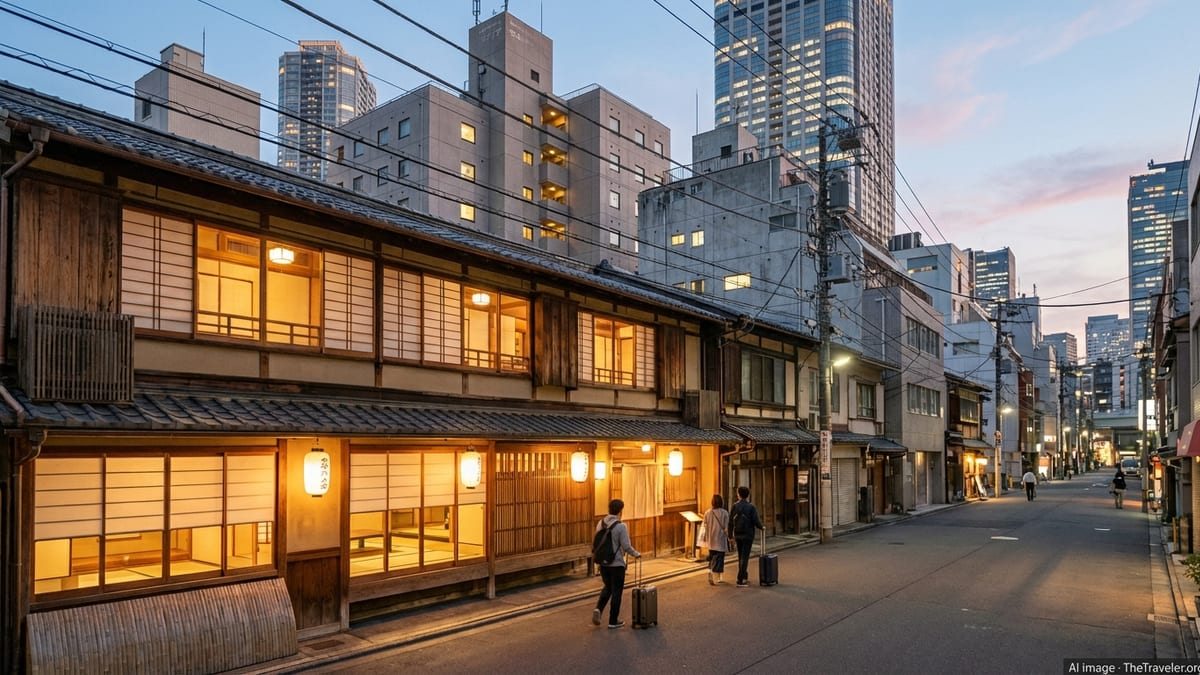
How to Choose Where to Stay in Japan
Japan is compact and well connected by rail, which means you do not need to change hotels every night to see a lot. A smart strategy is to pick a few well located bases and use the excellent rail network for day trips. Cities like Tokyo, Kyoto, Osaka, and smaller hubs such as Kanazawa or Fukuoka can all anchor multi day stays without feeling repetitive or limiting.
Your budget will influence both the city and the exact neighborhood. Central stations and famous districts usually command higher rates, but they also cut commute times and transport costs. In many Japanese cities, moving just one or two train stops away from a major hub can reduce your nightly price noticeably while still keeping you close to the action.
It also helps to match the neighborhood to your priorities. Night owls and food lovers may prefer districts known for late closing hours and street life, while families might value calmer streets, larger rooms, and easy train transfers. Solo travelers and first timers often prioritize convenience and simple navigation over character, while repeat visitors may seek out more residential or traditional areas that feel slower and more local.
Finally, think about your accommodation style. Japan offers capsule hotels, business hotels, hostels, mid range chains, luxury skyscraper properties, traditional ryokan, and rural inns with hot springs. Prices vary widely, but even budget travelers can often afford at least one night in a ryokan if they balance it with more economical nights in city business hotels or hostels.
Tokyo: Best Bases by Budget and Travel Style
Tokyo is usually the first stop on a Japan itinerary and one of the most flexible places in the country for different budgets. The city is vast, but the Yamanote Line, a loop line that circles key districts, makes it easier to divide Tokyo into manageable bases. Staying near a station on this loop or close to a major subway interchange will simplify your days and minimize transfers.
For first time visitors with a mid range budget, Shinjuku and Shibuya are popular choices. Shibuya offers youthful energy, easy access to shopping and dining, and direct connections across the city, with the famous scramble crossing and dense streets of boutiques and cafes nearby. Shinjuku combines the city’s busiest train station with modern department stores, skyscraper hotels, and lively nightlife. Both areas have plenty of chain hotels and business properties that balance comfort with cost.
Travelers on tighter budgets often gravitate to Asakusa and Ueno. Asakusa has a more traditional atmosphere near Sensō ji temple and is known as a long standing favorite for budget travelers thanks to its hostels, simple guesthouses, and small hotels. Ueno offers quick access to Ueno Park, museums, and reasonably priced business hotels, and it also connects well to the shinkansen for trips north.
Those who want a quieter, more businesslike base with straightforward airport and shinkansen links can look at Shinagawa or Tokyo Station areas. Shinagawa is a major transport hub with shinkansen access and relatively modern high rise hotels, while Tokyo Station and the surrounding Marunouchi and Nihonbashi districts offer upscale and luxury properties in a central yet more formal setting. These areas suit travelers who value smooth transfers and day trips over nightlife.
Kyoto: Traditional Atmosphere on Any Budget
Kyoto, Japan’s former imperial capital, offers a very different feel from Tokyo. Narrow lanes of wooden townhouses, many temples and shrines, and a slower pace make it ideal for travelers who want history and culture. Distances are shorter than in Tokyo, but subway and bus connections matter, so staying fairly central can save time and energy.
Gion is one of the most iconic parts of Kyoto. It is known for its preserved streets and traditional teahouses, and it appeals to visitors who want classic Kyoto scenery right outside their door. Accommodation here tends to be on the higher side, especially in renovated machiya townhouses and ryokan, but even a single night in this district can be a highlight. Travelers should be prepared for crowds and remember that local residents value respectful behavior on small lanes.
Downtown Kyoto around Kawaramachi and Shijo offers a more practical base for many budgets. This central area is near Nishiki Market, multiple shopping arcades, and plenty of restaurants. It also provides convenient transport connections, which makes it easier to reach temples in different parts of the city. Hotels here range from budget friendly business chains to mid range and a few upscale towers, making it one of the most flexible choices for mixed budget groups.
Travelers seeking more tranquility and a nature focused stay may look at Arashiyama on the city’s western edge. This district is known for its bamboo grove, river views, and temples. Accommodation here skews more boutique and ryokan oriented, usually at higher prices than in the downtown core, but the environment is calm once day trippers leave. It works well for couples or repeat visitors willing to trade some central convenience for scenery and atmosphere.
Osaka: Food, Nightlife, and Easy Day Trips
Osaka is often described as Japan’s kitchen and is a vibrant base for travelers who prioritize dining, nightlife, and access to nearby cities. It connects easily to Kyoto, Nara, and Kobe, and its neighborhoods each offer a different balance of excitement and calm. Many visitors choose to base in Osaka for several nights and explore the Kansai region on day trips.
Namba and the Minami area are ideal for travelers who want to be surrounded by neon lights, street food, and nightlife. Dotonbori, with its flashing signs, crowded bridges, and many eateries, sits at the heart of this zone. Hotels in this area range from budget hostels to comfortable mid range properties. Prices can be slightly higher near the canal and main streets, but it is often possible to find deals on side streets, especially outside peak holidays. These neighborhoods are lively late into the night, so light sleepers may prefer rooms on higher floors or facing quieter back streets.
Umeda, around Osaka and Umeda stations, serves as the city’s main business and transport hub. It is an excellent base for travelers planning frequent day trips, thanks to direct rail access in multiple directions. The atmosphere is more structured and slightly calmer than Namba, with vertical shopping complexes, department stores, and large office towers. Accommodation here includes business hotels, mid range chains, and some higher end options with city views, making it suitable for both budget conscious travelers and those seeking more comfort.
For lower prices and a more local feel, Tennoji and nearby districts such as Abeno appeal to budget travelers. This part of Osaka has major transport links and attractions like Abeno Harukas and older temples, but it generally offers more economical hotel rates, especially in simple business hotels. The area around some stations can feel a bit rough compared to polished shopping districts, so travelers who prioritize a quieter environment may choose locations closer to the main Tennoji station and newer developments.
Beyond the Big Three: Secondary Cities Worth Considering
While many first time itineraries focus on Tokyo, Kyoto, and Osaka, Japan’s secondary cities can provide better value and a more relaxed pace without sacrificing convenience. Cities such as Kanazawa, Hiroshima, Fukuoka, and Sapporo each offer their own character, with a mix of history, food, and easy local transport.
Kanazawa on the Sea of Japan side is known for its well preserved samurai and geisha districts and one of the country’s best known gardens. The city is compact, with many attractions accessible by bus or on foot. Staying near Kanazawa Station gives easy transport and a range of business hotels, while the older districts closer to the main sights feature small inns and traditional style properties that suit travelers seeking atmosphere. Prices are often reasonable compared to top tier tourist cities, particularly outside cherry blossom and autumn foliage seasons.
Hiroshima, linked by shinkansen, makes a strong base for those planning to visit the Peace Memorial sites and the island of Miyajima. Hotels near Hiroshima Station offer straightforward onward transport and typically include familiar business and mid range chains at moderate prices. Travelers who prefer a waterfront setting sometimes choose to stay closer to the ferry terminals for Miyajima, though options there are more limited and can be pricier in peak seasons.
Fukuoka in northern Kyushu is a regional hub renowned for food, particularly ramen and street stalls. It benefits from an airport that is close to the city center and a well laid out subway network. Staying near Hakata Station simplifies shinkansen and airport transfers, whereas the Tenjin area appeals to those who want shopping, nightlife, and a denser spread of eateries. In both areas, accommodation skews toward business and mid range hotels, often at lower prices than similar properties in Tokyo or Osaka.
Types of Accommodation in Japan by Budget
Japan’s accommodation spectrum is wide, and understanding the main categories can help you decide where to allocate your budget. At the lower end, hostels and guesthouses provide dorm beds and simple private rooms. These are common in major cities and tourist hubs, particularly in districts already popular with budget travelers such as Asakusa in Tokyo or Namba in Osaka. Facilities are usually clean, but space is limited, and shared bathrooms are standard.
Business hotels are one of Japan’s best value options for travelers who prioritize privacy and basic comforts. These compact, efficient hotels cluster around train stations nationwide. Rooms are small but usually include a private bathroom, desk, and reliable Wi Fi. Rates vary by city and season but tend to be competitive, especially in secondary cities. For many couples and solo travelers, business hotels strike a balance between price, convenience, and predictability.
Mid range and boutique hotels are common in central districts of major cities and in scenic areas like Kyoto’s Gion or Kanazawa’s historic quarters. These properties might offer larger rooms, more design elements, and extras like on site cafes or small lounges. Prices are naturally higher, but travelers often find that booking slightly outside the absolute center, or staying midweek instead of weekends and national holidays, keeps costs manageable.
Traditional ryokan and onsen inns are usually the most memorable but also among the costlier stays. They tend to be located in historic districts or dedicated hot spring towns. Rates often include dinner and breakfast, usually in Japanese style, and rooms feature tatami flooring and futon bedding. For budget management, many travelers choose one or two nights in a ryokan and spend the rest of their trip in simpler hotels or hostels.
Onsen Towns and Rural Stays
Spending at least one night in an onsen town or rural area gives a different perspective on Japan. Hot spring resorts range from simple village baths to large hotel complexes in mountains or along rivers. Popular areas are well connected by rail and bus, though transfers can take longer than within cities, so it is wise to plan arrival times earlier in the day.
Onsen towns often center around a main street lined with inns, small eateries, and souvenir shops. Staying in the heart of such a town places you within a short walk of multiple baths and evening strolls in yukata robes. Accommodation prices cover a wide span, but many mid priced ryokan include two meals, which can offset dining costs. Budget travelers who want the hot spring experience without high overnight prices sometimes opt for public day use baths and then stay in nearby cities or business hotels.
Rural farm stays and guesthouses, while less common than in some countries, offer simple but rewarding experiences for visitors interested in agriculture, local food, or nature. These properties tend to be small, privately run, and located well outside major urban centers. Transport might be limited, and English support can vary, but hosts often provide transfers to the nearest station or bus stop by prior arrangement. Prices are often moderate and include home cooked meals.
Because of the extra planning rural stays require, many travelers fold them into itineraries as a short break between city bases. One or two nights in a countryside inn, followed by returns to Tokyo or Osaka, can provide contrast without overly complicating logistics.
Safety, Convenience, and Practical Tips for Choosing an Area
Japan is widely regarded as one of the safer countries for travelers, which gives visitors more flexibility in choosing where to stay. Even entertainment districts that feel intense at night usually remain relatively safe if you stay aware of your surroundings and use common sense. That said, some nightlife areas in big cities feature more adult oriented venues, touts, and crowds, which may be uncomfortable for some travelers or families with young children.
When comparing neighborhoods, focus on walking distance to train or subway stations, especially on lines you will use daily. Being within a few minutes of a major station can save cumulative time and energy, particularly if you are carrying luggage or traveling with children. At the same time, being a short walk away from the busiest streets can mean quieter nights and sometimes lower prices.
Room sizes in Japan are often smaller than travelers from some countries expect. Budget and mid range hotels in central districts typically offer compact layouts that prioritize efficiency over floor space. If you need more room, consider slightly out of center neighborhoods where newer hotels might have larger standard rooms or look at apartment style properties in residential areas with good transport connections.
Seasonal demand also affects both price and availability. Cherry blossom season in spring and autumn foliage weeks in Kyoto and other scenic cities can push rates up and reduce choice across all categories. Booking earlier and being flexible with specific neighborhoods can keep budgets in check. In contrast, travel in shoulder seasons or mid winter, outside of major holidays and ski resorts, can yield attractive rates even in prime locations.
The Takeaway
Where you stay in Japan will shape not only your daily routines but also your impressions of the country. Central Tokyo districts like Shinjuku and Shibuya offer pace and connectivity, while quieter zones such as Asakusa or Shinagawa support lower key stays and tight connections. Kyoto’s Gion and downtown core balance tradition and practicality, and Osaka’s Namba and Umeda provide a base for food focused itineraries and efficient day trips.
Secondary cities such as Kanazawa, Hiroshima, and Fukuoka can reduce costs while adding depth, and a night or two in an onsen town or rural inn introduces a slower, restorative side of Japan. Matching districts and hotel types to your budget, from hostels and business hotels to ryokan, allows you to build an itinerary that feels both personal and financially sustainable.
In the end, there is no single best place to stay in Japan, only the best fit for your plans and budget. By prioritizing transit access, choosing neighborhoods that align with your travel style, and mixing accommodation types, you can experience both the modern and traditional faces of Japan comfortably and affordably.
FAQ
Q1. What is the best city to stay in for a first trip to Japan?
For most first time visitors, a combination of Tokyo and Kyoto works well. Tokyo offers energy, modern neighborhoods, and easy arrivals, while Kyoto provides temples, traditional streets, and a different pace.
Q2. How far in advance should I book accommodation in Japan?
For stays during cherry blossom season, autumn foliage weeks, and major holidays, booking several months ahead is wise. Outside peak times, many travelers find good options four to eight weeks before arrival.
Q3. Is it better to stay near Tokyo Station or in Shinjuku or Shibuya?
Staying near Tokyo Station is convenient for shinkansen and airport transfers and suits business and day trip focused travelers. Shinjuku and Shibuya are usually better for nightlife, dining, and first time visitors who want a livelier atmosphere.
Q4. Are capsule hotels a good option for budget travelers?
Capsule hotels can be cost effective and memorable, especially for solo travelers. However, they typically offer limited privacy and storage, so some visitors prefer hostels or business hotels for longer stays.
Q5. How expensive are ryokan compared to regular hotels?
Ryokan are often more expensive per night than business or mid range hotels, but rates usually include dinner and breakfast. When you factor in meals and the onsen experience, many travelers find a short stay good value.
Q6. Which Japanese city is best as a base for day trips?
Osaka is especially strong for day trips to Kyoto, Nara, and Kobe. Tokyo works well for excursions to places like Nikko, Hakone, and Yokohama, thanks to fast rail lines and frequent departures.
Q7. Is it safe to stay in nightlife districts like Namba or Shinjuku?
These areas are generally safe, with many people out late and good public transport. Visitors should stay alert around bar and club zones, ignore aggressive touts, and keep valuables secure, but most travelers experience no serious issues.
Q8. Can I find affordable accommodation near major train stations?
Yes, business hotels and some hostels cluster around major stations. While rates can be higher than in purely residential districts, deals are common, especially in secondary cities and outside peak travel periods.
Q9. Are there good options for families with children?
Families often do well in areas with simple station access and larger room options, such as parts of Osaka near Universal Studios, or newer hotels in Tokyo and regional cities that offer family rooms or connecting rooms.
Q10. Should I stay in one city and do day trips, or change hotels often?
Staying in a few strategic bases and taking day trips keeps packing and transfers to a minimum, which many travelers prefer. However, for longer distances, such as between regions, changing bases can reduce daily travel time and make sightseeing more relaxed.