

Choosing where to stay in Mexico can shape your entire trip. From buzzy city neighborhoods and all inclusive beach resorts to quiet pueblos and eco friendly coastal hideaways, each region offers a distinct mood, budget range, and style of stay. This guide breaks down Mexico’s main travel regions and matches them with travel styles so you can pick a base that fits how you like to explore, relax, and experience local life.
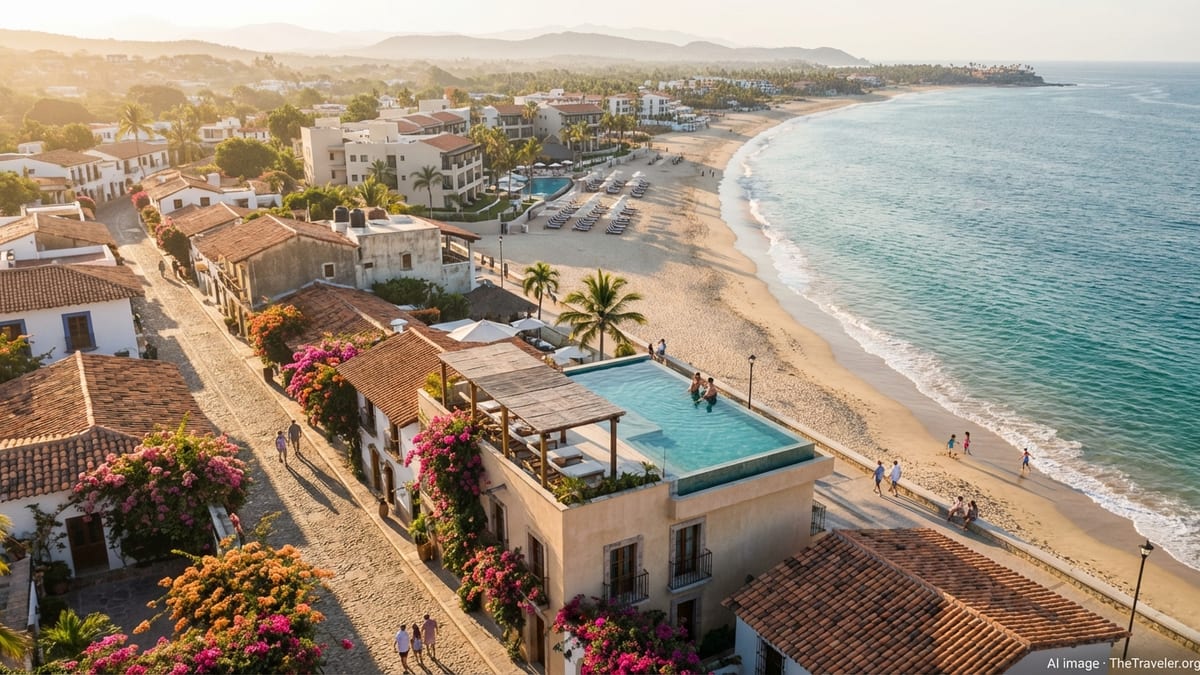
Mexico City: Urban Culture Hubs for Food and Design Lovers
Mexico City is often the first stop for international travelers, and where you stay here influences how you see the capital. For design conscious visitors, food lovers, and first timers, the central neighborhoods of Roma Norte, Condesa, Polanco, and Coyoacán consistently stand out. They combine walkability, strong dining scenes, attractive architecture, and easier logistics for getting around. Many travelers appreciate that these districts balance lively streets and nightlife with tree lined avenues and parks where you can slow down between museum visits and taco crawls.
Roma Norte and Condesa are ideal if you want a creative, European style atmosphere with cafes, galleries, and boutique hotels. Centered around Parque México and Parque España, these neighborhoods feel residential yet cosmopolitan, with leafy streets, restored Art Deco buildings, and an abundance of terrace bars and coffee shops. They work especially well for digital nomads, couples, and solo travelers who value atmosphere as much as classic sights, since you can spend hours simply strolling and people watching.
Polanco suits travelers who prefer an upscale base. Sometimes called the Beverly Hills of Mexico, it is home to luxury hotels, embassies, top restaurants, and high end shopping. Wide avenues, polished sidewalks, and proximity to landmarks like Museo Soumaya and Chapultepec Park make it attractive for business travelers, families seeking comfort, and anyone more concerned with security and services than bohemian character. Prices reflect that, so budget travelers may find better value elsewhere.
Coyoacán offers a different experience again, with cobblestone streets, shaded plazas, and a village like feeling despite being within the city. It is popular with culture focused travelers drawn to Frida Kahlo’s Casa Azul and a slower pace. Staying here works well for families and visitors who want quieter evenings but are comfortable using taxis or ride share to reach other parts of the city. Wherever you stay in Mexico City, follow common sense city precautions, use registered taxis or ride share at night, and confirm your accommodation has reliable internet and late night reception if you plan to arrive after dark.
Riviera Maya and Cancun: Resorts, All Inclusives, and Beachfront Bases
The Riviera Maya and Cancun on the Caribbean coast are Mexico’s classic beach holiday destinations, especially for travelers from the United States and Canada. This region is dominated by large resorts and all inclusive complexes, but there is more variety than first impressions suggest. Where you stay along this stretch of coastline will determine how much time you spend within a single property versus exploring cultural sites, cenotes, and quieter beaches.
In and around Cancun’s Hotel Zone, high rise resorts line a narrow strip of sand between the lagoon and the Caribbean Sea. This area works best for short getaways and travelers who prioritize convenience, nightlife, and easy beach access over local immersion. You will find large properties with multiple pools, on site entertainment, and meal plans that allow you to stay within the resort bubble if you choose. It is a practical option for groups and first time international travelers who want straightforward logistics and predictable services.
Farther south, Playa del Carmen and the smaller towns that follow it toward Tulum offer a wider mix of stay options. In Playa del Carmen itself, you can choose between beachfront resorts, mid range hotels within walking distance of Quinta Avenida, and apartment style stays that suit longer visits. This is a good base if you want a social atmosphere and the ability to take day trips to Cozumel, cenotes, and nearby archaeological sites while still returning to a town with restaurants and nightlife.
The quieter stretches between Playa del Carmen and Tulum, as well as areas around Akumal and Puerto Aventuras, appeal to travelers who want more relaxed, family friendly environments. Here you will find smaller beach hotels, villa rentals, and low rise resorts often with calmer water for swimming and snorkeling. When choosing where to stay in the Riviera Maya, consider whether your priority is a contained resort experience or a base you will use primarily for sleeping while you explore during the day. In either case, confirm current safety advice, use filtered water, and choose properties with clear information on beach conditions, especially in seaweed season.
Tulum and the Boho Caribbean: Boutique Stays and Eco Chic Escapes
Tulum has become synonymous with boho chic stays, yoga retreats, and design forward hotels along a jungle framed strip of Caribbean coastline. Accommodation here tends to be smaller and more stylized than the mega resorts around Cancun, and prices often reflect the destination’s global popularity. If you are looking for picture ready beachfront cabanas, plant filled boutique hotels, and wellness focused stays, Tulum’s hotel zone and nearby beaches deliver that aesthetic more than almost anywhere else in Mexico.
Staying along Tulum’s beach road gives you direct access to the sand, beach clubs, and many of the town’s best known restaurants and bars. These properties are ideal for couples and friend groups who plan to spend much of their time moving between the beach, dining spots, and nightlife. However, they also come with trade offs: limited parking, higher prices, and in some areas more noise late into the night. Eco conscious hotels may restrict air conditioning hours or rely on generators, which can surprise travelers expecting conventional resort comforts.
For a calmer and more budget friendly experience, many travelers now base themselves in Tulum Pueblo, the inland town along the highway. Here you will find guesthouses, small hotels, and vacation rentals with better value and easier access to local taquerias, everyday shops, and bus connections. The beach is a short drive or bike ride away, so this option works well if you prefer a more local atmosphere or plan to explore cenotes and ruins as much as you plan to sunbathe.
In recent years, some travelers have started considering alternative Caribbean coast destinations such as Bacalar or Costa Maya for a less crowded experience while retaining access to clear water and a slower pace. Regardless of where you stay in the Tulum area, review recent visitor reports about infrastructure, transportation options, and local regulations, since development has been rapid and policies around beach access, music, and construction can change from season to season.
Oaxaca City and the Oaxacan Coast: Culture, Cuisine, and Laid Back Beach Towns
Oaxaca offers two very different but complementary experiences: the inland colonial city known for food and culture, and a Pacific coastline dotted with low rise beach communities. In Oaxaca City, most visitors stay in or near the historic center. The Centro and Santo Domingo areas are ideal for first timers thanks to their concentration of museums, markets, churches, and restaurants. Here you can walk between the Zócalo, the cathedral, and the Templo de Santo Domingo, returning easily to your hotel for a midday break.
Travelers seeking a quieter, more residential feel often choose neighborhoods just beyond the core, such as Jalatlaco, Xochimilco, El Llano, or La Noria. These districts still allow you to reach main sights on foot while offering cobblestone streets, murals, local cafes, and calmer evenings. They work particularly well for longer stays, families, and remote workers who appreciate a balance between access and tranquility. North of the center, Reforma offers more modern buildings and can be a practical choice for visitors who prioritize elevators, parking, and contemporary amenities over colonial architecture.
On the Oaxacan coast, the mood shifts to easygoing beach life. Around Huatulco, planned bays and sheltered beaches are lined with mid range hotels, small resorts, and guesthouses that appeal to families and travelers who prefer swimmable water and organized tours. Farther west, the string of coastal towns from Mazunte and San Agustinillo to Zipolite and Puerto Angel attracts visitors looking for a slower, more independent style of coastal stay. Here accommodations range from rustic cabanas and eco lodges to simple beachfront hotels and a handful of stylish boutique properties.
Mazunte tends to draw wellness travelers and those who enjoy yoga, vegetarian cafes, and small scale eco tourism. Nearby San Agustinillo is particularly popular with families due to its calmer bay and walkable main street. Zipolite, known for its surf and clothing optional sections of beach, caters more to open minded, party friendly visitors and backpackers. Puerto Angel retains more of a working fishing village character and often offers some of the best value beachside rooms. Wherever you stay along the Oaxacan coast, expect limited high rise development, strong sun, and a slower rhythm than in the Caribbean, which many travelers see as part of the appeal.
Pacific Coast Favorites: Puerto Vallarta, Riviera Nayarit, and Beyond
Mexico’s central Pacific coast offers a wide range of stays, from classic seaside resorts to small towns that have grown into major beach destinations. Puerto Vallarta remains one of the most versatile bases thanks to its combination of a real city, a historic center, and extensive beachfront accommodation. Staying in the Zona Romántica places you within walking distance of restaurants, bars, and the malecón, making it particularly attractive for LGBTQ travelers, solo visitors, and anyone who wants social energy close at hand.
North of Puerto Vallarta, Riviera Nayarit stretches along the coast with a mix of fishing villages turned surf hubs and planned resort communities. Sayulita and San Pancho appeal to surfers, digital nomads, and travelers seeking a casual atmosphere with cafes, yoga studios, and small guesthouses. Farther up the coast, larger developments with all inclusive options cater to families and visitors who want restful beach days without navigating town centers. When choosing among these areas, think about whether you prefer the buzz of a walkable town or the predictability of a self contained resort.
To the south, smaller destinations and bays between Puerto Vallarta and Costalegre offer more low key stays, including eco focused lodges and boutique hotels surrounded by jungle. These suit travelers who prioritize nature, privacy, and a slower pace over nightlife and shopping. Access can be more challenging, often involving boat transfers or longer drives, so it is wise to confirm transportation details before booking and to plan for spotty mobile service in the most remote spots.
Across the Pacific coast, sea conditions can vary significantly depending on the season and exact beach, with some areas better for surfing than swimming. If you are traveling with children or are not a confident swimmer, confirm whether your chosen beach is known for calmer water or strong waves. Many properties note this in their descriptions, and local tourism boards and recent traveler reports can provide useful, current insight.
Baja California Sur: Desert Meets Sea for Road Trips and Adventure
Baja California Sur, the southern part of the Baja Peninsula, is a distinctive region where desert landscapes meet deep blue seas. Los Cabos, which includes Cabo San Lucas and San José del Cabo, is the best known area and offers a high concentration of resorts, golf courses, and luxury stays. Cabo San Lucas suits travelers drawn to nightlife, sport fishing, and lively marina front developments, while San José del Cabo provides a more low key, art focused town center and a relaxed but upscale feel.
Outside the main resort corridor, Baja California Sur is particularly rewarding for travelers who enjoy road trips and outdoor activities. La Paz, the regional capital on the Sea of Cortez, makes an excellent base for boat trips to nearby islands, whale watching in season, and swimming with sea life on guided excursions. Accommodations here range from simple city hotels near the malecón to boutique properties with views over the bay, generally at lower prices than in Los Cabos.
Farther north, towns like Loreto attract visitors looking for a quieter, historically rooted destination with good access to nature. Staying in or near the colonial center of Loreto gives you walkable access to the mission church, waterfront, and small restaurants. Many travelers combine a few nights in resort areas with time in these smaller towns to experience both comfort and a more traditional Baja atmosphere.
Baja California Sur’s dry climate, strong sun, and open roads reward those who plan ahead. If you intend to rent a car, choose accommodations with secure parking and check whether you will need four wheel drive for any planned excursions. For coastal stays, note that some beaches have strong currents or limited facilities, so it can be wise to base yourself in a town and visit more remote stretches of coast as day trips with local operators.
Choosing the Right Stay for Your Travel Style
Beyond geography, the best place to stay in Mexico depends on how you like to travel. If you prefer structure, on site amenities, and minimal planning, an all inclusive resort in Cancun, Los Cabos, or a large Riviera Maya complex may be ideal. These properties simplify logistics by bundling meals, drinks, and activities, freeing you to focus on rest. They suit short trips, family vacations, and travelers who feel more comfortable with clear rules and predictable costs.
Independent travelers, food lovers, and culture seekers often gravitate toward city neighborhoods and walkable beach towns instead. Choosing a small hotel or apartment in Mexico City’s Roma, Oaxaca’s Jalatlaco, or Puerto Vallarta’s Zona Romántica, for example, puts you closer to local markets, street food, and everyday life. This style of stay can feel richer and more flexible, though it requires more decision making around where to eat, how to get around, and what to see each day.
Adventure oriented visitors, from surfers to hikers, may prioritize proximity to nature and specific activities over polished amenities. In this case, eco lodges on the Oaxacan coast, simple guesthouses in Baja’s smaller towns, or cabins near highland villages can be a better fit than big name resorts. When choosing these types of stays, check for practical details such as access to drinking water, transportation options, and whether Wi Fi and cell coverage match your needs.
Regardless of style, a few questions can help narrow down options: How comfortable are you with driving or using buses and colectivos. Do you want nightlife on your doorstep or silence after 10 p.m. Is swimming in calm water essential, or are you happy with pools and views. Do you plan to work remotely, and if so, do you need verified fast internet. Clarifying your answers will make it easier to choose between Mexico’s many compelling regions and accommodation types.
The Takeaway
Mexico offers an unusually diverse set of places to stay, from creative city districts and polished resort zones to sleepy coastal towns and eco minded retreats. Rather than searching for a single best area, think in terms of a region and travel style that pair well together. City breaks in Mexico City or Oaxaca combine well with time on the coast, and splitting your stay between a resort and a local neighborhood can give you both ease and authenticity in a single trip.
As you plan, focus on three pillars: what you want to do each day, how you like to relax, and how much independence you enjoy while traveling. Matching those preferences to the right part of Mexico will shape your experience far more than any single hotel brand. With realistic expectations, attention to current local advice, and a bit of flexibility, you can find stays across Mexico that feel safe, welcoming, and closely aligned with the way you most like to travel.
FAQ
Q1. What is the best place to stay in Mexico for a first time visitor
The best all around introduction for many first timers is Mexico City combined with a few days on the Riviera Maya or Pacific coast. Mexico City offers museums, food, and history, while the coasts provide beach time and relaxation. Staying in central, well known neighborhoods and established beach areas keeps logistics simple.
Q2. Where should I stay in Mexico if I want the safest feeling area
No destination can guarantee safety, but many travelers report feeling most comfortable in upscale city districts such as Polanco in Mexico City, resort zones in Cancun and Los Cabos, and central areas of Oaxaca City and Puerto Vallarta. Choosing reputable properties, using registered transport, and following standard precautions matters as much as the specific neighborhood.
Q3. Which region is best if I am traveling on a tight budget
In general, inland cities and smaller beach towns offer better value than the most famous resort corridors. Oaxaca City, parts of Mexico City outside the most exclusive zones, and Pacific coast towns such as Mazunte, San Agustinillo, or smaller Riviera Nayarit villages can all work well for budget minded travelers who are flexible about amenities.
Q4. Where should I stay in Mexico for great food and local markets
For food focused trips, Oaxaca City and Mexico City are hard to beat, with dense concentrations of markets, street stalls, and restaurants at every price point. Neighborhoods close to historic centers or in lively districts like Roma, Condesa, Jalatlaco, or Santo Domingo make it easy to explore on foot and sample a wide range of dishes.
Q5. What is the best area to stay for families with young children
Family travelers often do well in calmer, swimmable beach areas and residential city neighborhoods. In the Riviera Maya, sheltered bays and mid size resorts outside party zones can be a good fit, while on the Pacific, Huatulco and San Agustinillo appeal for their gentler waves. In cities, quieter districts such as La Noria in Oaxaca or parts of Coyoacán in Mexico City are popular with families.
Q6. Where should I stay in Mexico if I am a solo traveler
Solo travelers tend to appreciate places with walkable centers, visible tourism infrastructure, and social accommodation options. Roma and Condesa in Mexico City, central Oaxaca, Puerto Vallarta’s Zona Romántica, and some Oaxacan or Riviera Nayarit beach towns all attract a steady flow of independent visitors, making it easier to meet people while retaining privacy.
Q7. Which coast of Mexico is better for me, Caribbean or Pacific
The Caribbean side around Cancun, Riviera Maya, and Tulum usually has calmer, clearer water and more large scale resorts, which suits travelers seeking classic tropical beaches and full service stays. The Pacific, including Puerto Vallarta, Riviera Nayarit, and the Oaxacan coast, often feels more laid back and varied, with more surf breaks and low rise development. Your choice depends on whether you prioritize swimming conditions, nightlife, or a slower, more rustic feel.
Q8. Where should I stay if I want to avoid heavy crowds
To sidestep the largest crowds, look slightly beyond the biggest names. Instead of the busiest parts of Cancun or central Tulum, consider smaller towns nearby, less visited stretches of the Oaxacan or Nayarit coasts, or secondary cities such as La Paz or Loreto in Baja California Sur. Traveling outside peak holiday weeks and avoiding the most famous nightlife strips also helps.
Q9. Is it better to base in one place or split my stay between regions
Both approaches work, but many travelers enjoy combining at least two contrasting bases, such as a city plus a beach town or a resort plus a more local neighborhood. Splitting your stay adds variety but also extra transfers, so consider your trip length. On shorter trips, staying in one hub and taking day trips may be less tiring.
Q10. How far in advance should I book accommodation in Mexico
Booking timelines depend on season and destination. In popular areas like Tulum, Cancun, and Los Cabos during major holidays or winter, it is sensible to reserve several months ahead for the best selection. In shoulder seasons or less visited regions, you can often book closer to arrival, though it is still wise to secure your first nights in advance, especially after a long flight.