

More news on this day
American Airlines has been thrust to the center of a growing political storm in Washington, as the White House publicly criticizes the carrier over mounting service disruptions, triggering a broader debate over U.S. airline accountability and passenger rights.
Get the latest news straight to your inbox!
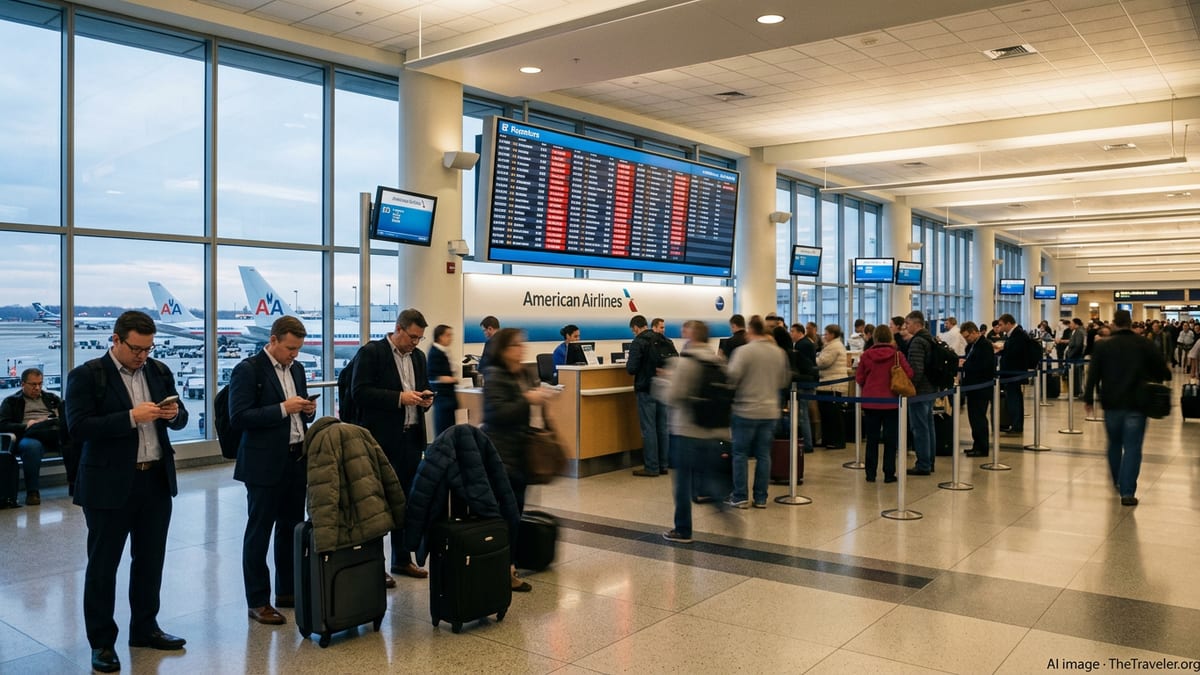
White House Frustration Boils Over
The latest flashpoint came after a senior White House official blasted American Airlines following an hours long delay, vowing that the administration would take a “new interest” in airline performance and consumer protections. The unusually pointed remarks, amplified across television networks and social media, transformed what might once have been seen as routine operational hiccups into a high profile political issue centered squarely on the national flag carrier.
Officials within the administration have quietly signaled growing impatience with recurring complaints about long delays, last minute cancellations and poor communication at major U.S. hubs. While extreme weather and air traffic control staffing shortages have contributed to nationwide disruption this winter, the White House criticism singles out American as emblematic of what many travelers see as an industry that has not done enough to improve reliability after the pandemic era.
The rebuke lands at a sensitive moment for the carrier. American is already grappling with higher fuel prices, fresh analyst downgrades and pressure on its 2026 financial guidance, as investors question whether the airline can balance cost cutting with needed investment in frontline service and operations. The added political spotlight threatens to make missteps more costly, both in consumer confidence and in Washington.
Service Meltdowns Collide With Passenger Anger
Across the United States, travelers have faced another difficult travel season, with winter storms, airspace congestion and chronic staffing challenges combining to disrupt thousands of flights. In recent weeks, American Airlines passengers have taken to social media and consumer forums to detail missed connections, overnight strandings and hours long waits for crews and customer service, adding fuel to the perception that the airline is struggling to keep pace with demand.
Industry wide, a major winter storm in late January triggered the worst day for U.S. flight cancellations since the early months of the pandemic, snarling air travel from Dallas to New York and Los Angeles. American, with its extensive network at storm prone hubs such as Dallas Fort Worth and Chicago O’Hare, has been prominently listed in daily tallies of cancellations and delays, even when rivals share the same challenges.
What has turned routine operational strain into a reputational crisis is the growing sense among travelers that airlines are still too slow to communicate and too reluctant to offer compensation or meaningful assistance. Complaints about generic boilerplate responses to detailed grievances, long waits at airport service desks and confusing rebooking processes have created a fertile backdrop for political intervention and demands for tougher rules.
Regulatory Battles Over Passenger Rights
The White House criticism of American Airlines also revives a fight in Washington over how aggressively the federal government should regulate airline customer service. The previous administration rolled back a slate of Biden era proposals that would have required U.S. carriers to compensate passengers in cash for controllable delays and cancellations, a move welcomed by airline trade groups but widely criticized by consumer advocates.
With travel disruption again dominating headlines, lawmakers on Capitol Hill are signaling renewed interest in binding passenger rights, including clearer refund obligations, automatic meal and hotel vouchers for airline caused disruptions and stricter on time performance metrics. Some members of Congress are already calling hearings that would likely feature executives from American and other large carriers, setting the stage for public grilling over how they handle customer care when schedules unravel.
For American, the risk is twofold. Tougher federal rules could raise costs and limit the airline’s flexibility in managing its network during peak disruption. At the same time, resisting stronger protections could deepen public frustration and make the carrier a lightning rod in an election year climate where consumer anger over high fares and unreliable service is politically potent.
Operational Strain at Major Hubs
Behind the political theater lies a complex operational reality. American Airlines has spent the past several years rebuilding capacity while navigating pilot and crew shortages, maintenance bottlenecks and volatile fuel prices. At mega hubs like Dallas Fort Worth and Chicago O’Hare, even small schedule shocks can cascade through the system, leading to rolling delays that strand travelers far from their final destinations.
In Chicago, American is among several major airlines contending with historic summer flight reductions ordered by federal regulators seeking to ease congestion at O’Hare. At the same time, systemwide disruptions have led to waves of departures being scrubbed or pushed back at major nodes such as Dallas, Atlanta, New York and Los Angeles, contributing to scenes of crowded terminals and long lines at customer service counters.
Against this backdrop, analysts warn that American’s efforts to trim costs and reassure investors about profitability could collide with the operational investments needed to stabilize the network. Any perception that the carrier is under staffing flights, stretching crews or deferring service upgrades will likely be seized upon by elected officials already inclined to blame airlines for the nation’s travel frustrations.
Global Reputation and Tourism at Stake
The fallout from the White House’s criticism of American Airlines extends well beyond domestic politics. As one of the most visible symbols of U.S. aviation abroad, American’s performance shapes impressions of the country’s infrastructure and reliability for millions of international visitors. Persistent headlines about cancellations, passenger lawsuits and chaotic travel days risk undermining the United States’ reputation as an easy place to visit and do business.
Tourism boards and hotel groups are watching developments closely, particularly in key gateway cities where American is a dominant player. When flights into hubs like Chicago, Dallas and Miami are cut or chronically delayed, ripple effects are quickly felt in convention bookings, inbound tour groups and leisure travel spending. Travel industry analysts caution that if service problems persist, international travelers may shift to foreign carriers or alternative routings, bypassing traditional U.S. connecting hubs.
For now, American Airlines is attempting to reassure both policymakers and passengers that it is investing in reliability, promising schedule adjustments, targeted hiring and operational improvements. Whether those moves are enough to cool White House anger and restore traveler confidence will likely determine how long the carrier remains at the center of a debate that blends politics, economics and the basic expectation that flights should depart and arrive as promised.