

More news on this day
As eco-conscious travelers scrutinize the footprint of every flight and hotel stay, Botswana’s Okavango Delta is emerging as a model for how high-end tourism, frontline conservation and community livelihoods can coexist in one of Africa’s most fragile wetlands.
Get the latest news straight to your inbox!
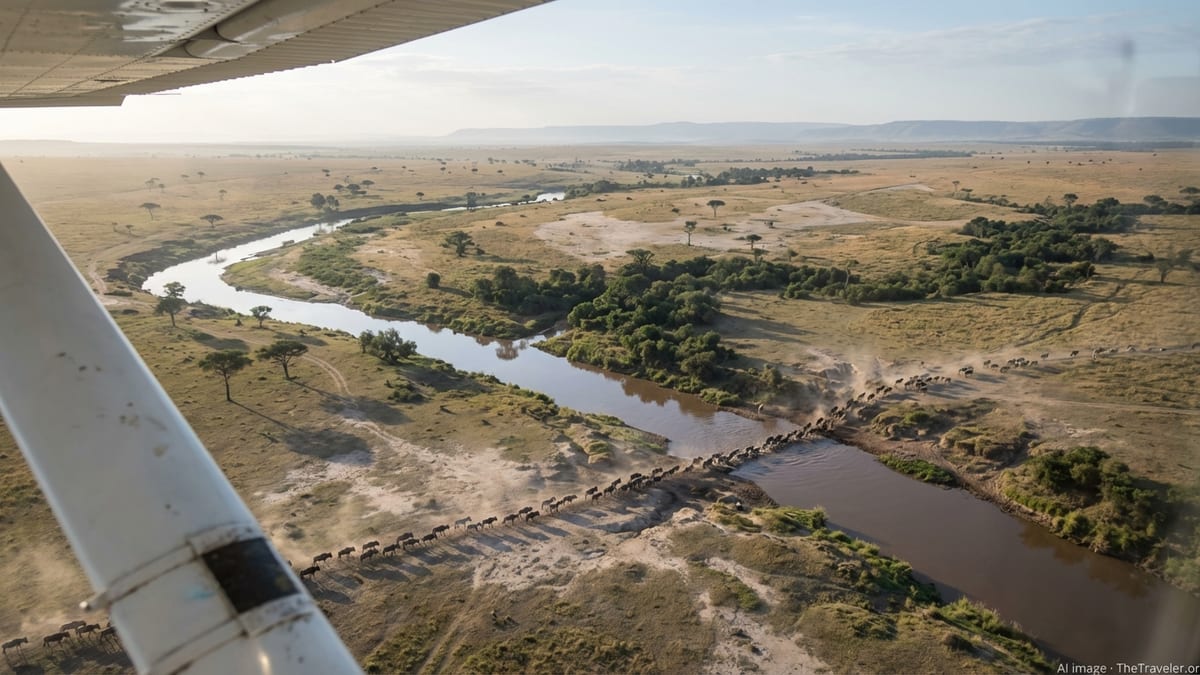
A Living Oasis at the Heart of the Kalahari
The Okavango Delta in northwestern Botswana is widely described in current coverage as one of the world’s most significant inland wetlands and one of Africa’s premier safari destinations. Seasonal floods from rainstorms in Angola create a vast alluvial fan of lagoons, reed beds and islands that supports elephants, hippos, big cats and hundreds of bird species within an otherwise arid Kalahari setting.
Publicly available information from UNESCO and Ramsar identifies the Okavango as both a World Heritage Site and a protected wetland of international importance, highlighting its relatively intact hydrological and ecological systems. The delta’s status as a rare endorheic, or closed, basin that does not flow to the sea underpins its global scientific value and adds urgency to calls for careful tourism management.
Recent reports by conservation organizations describe the Okavango as an important natural carbon store, noting that peat-rich floodplains and permanently flooded channels lock away significant amounts of greenhouse gases. This characterization is drawing interest from travelers who see intact wetlands as part of the broader climate solution, not simply as wildlife destinations.
Tourism briefings from Botswana-based operators emphasize that wildlife in the Okavango has adapted to a dynamic mosaic of water and land, producing safari experiences that differ from classic savanna parks. Game drives on dry islands are often combined with flat-bottomed boat trips and traditional dugout canoe excursions, allowing visitors to see how antelope, predators and birdlife move with the water.
Low-Impact Tourism Policies Shape the Visitor Experience
Botswana’s tourism model is frequently cited in regional analyses as one of Africa’s most deliberate attempts to keep visitor numbers low while maximizing conservation revenue. Government policy favours high-value, low-volume tourism, with limits on lodge beds and strict concession rules designed to reduce pressure on sensitive habitats such as the Okavango’s inner channels.
Industry descriptions of the delta explain that many camps operate on private or community-run concessions where vehicle density and daily game-drive routes are tightly controlled. This approach tends to create quieter wildlife sightings and less disturbance to animals, an appealing prospect for travelers who associate eco-friendly travel with uncrowded, minimally intrusive experiences.
At the same time, recent commentary from tourism officials and wetland researchers in Botswana underscores that effective monitoring systems are still being strengthened. Public statements highlight the need for better data on how boat traffic, aircraft movements and lodge infrastructure affect water quality, vegetation and wildlife behaviour, indicating that sustainable management remains an evolving effort rather than a finished achievement.
Reports in regional media also note debates over congestion in certain high-profile areas of the delta. Guides’ associations have encouraged operators and visitors to consider lesser-known concessions and neighboring parks to spread tourism impacts more evenly, a trend that eco-conscious travelers are increasingly factoring into their itineraries.
Community Partnerships at the Core of Conservation
The Okavango story is closely tied to community-led conservation in northern Botswana. Historical accounts highlight that Moremi Game Reserve, which covers part of the eastern delta, was created in the 1960s following initiatives by local BaTawana leaders, often cited as one of the first reserves in Africa established at the request of a local community rather than imposed from outside.
Contemporary tourism briefings describe how community trusts in villages such as Khwai and Sankoyo lease land or concession rights to safari operators, sharing in revenue while retaining a role in land-use decisions. These joint ventures are promoted as a way to channel lodge fees and conservation levies into jobs, education and small business opportunities.
International conservation organizations with a long presence in Botswana report that their Okavango programmes link environmental education, wildlife monitoring and enterprise development, often in tandem with tourism initiatives. Eco-conscious visitors are increasingly seeking out itineraries that include community-run camps or mokoro excursions organized through local poler associations, explicitly marketed as ways to keep more income in nearby villages.
At the same time, research and media coverage point to ongoing tensions over access to natural resources inside protected areas. Some community representatives in the wider Okavango region have publicly expressed concern that international tour companies and strict park rules can limit traditional uses such as fishing or gathering, underscoring that socially responsible tourism requires continuous dialogue, not one-time agreements.
New Eco-Lodges and the Push for Greener Infrastructure
Safari development across the Okavango continues to evolve, with a wave of lodge investments positioning themselves as environmentally sensitive. Architectural and travel features on established properties highlight designs that mimic local wildlife or vegetation, elevated walkways to protect floodplain soils, and extensive use of timber certified from sustainable sources.
Reports on specific lodges in and around the delta describe measures such as solar-powered microgrids, on-site water purification, greywater recycling and carefully managed waste systems intended to minimize pollution. Some properties publish sustainability reports that detail their reliance on renewable energy and their financial contributions to concession fees, anti-poaching patrols and research projects.
Luxury travel publications have recently noted announcements of new high-end eco-lodges scheduled to open in the Okavango over the next two years, positioning them as flagships for conservation-led tourism. These openings are marketed around themes of low-impact architecture, rewilding initiatives and deeper engagement with local communities through training and scholarship programmes.
Environmental groups and wetland scientists, however, continue to caution that even well-designed lodges can contribute to cumulative pressures on water resources, wildlife corridors and bird nesting areas. Calls for more robust environmental impact assessments and long-term monitoring accompany most new project announcements, reflecting a growing expectation that genuine eco-tourism must be backed by transparent data.
How Travelers Can Visit Responsibly
For nature lovers considering the Okavango, recent guidance from conservation organizations and responsible-tourism platforms converges on several practical principles. Travelers are encouraged to choose operators that publish clear environmental policies, support local employment and training, and participate in recognized conservation or community partnerships within the delta.
Advisories also suggest paying attention to group size, transport choices and seasonality. Small-group trips and longer stays in a single concession are generally presented as less intrusive than multi-park itineraries built around frequent flights. Visiting during shoulder seasons can ease crowding in core wildlife areas while still offering strong game-viewing and birding.
Prospective visitors are increasingly urged to look beyond the marketing labels on “eco-lodges” and examine independent information on certification, energy use and waste management. Some regional commentators note that Botswana’s relatively high park fees and lodge rates can be viewed as a deliberate contribution to conservation and community development, provided travelers verify where those funds are directed.
As climate pressures, upstream water use and regional development plans continue to shape the broader Okavango Basin, analysts argue that visitor choices have a direct bearing on the resilience of the delta itself. By aligning itineraries with low-impact operators, community-based concessions and science-backed conservation projects, eco-friendly travelers can help ensure that one of Africa’s most celebrated wetlands remains a living refuge for wildlife and people alike.