

More news on this day
For many air travelers, a delay notice on the departure board still feels like an opaque shrug of the shoulders. Yet in 2026, the precise reason behind a late or canceled flight is becoming a critical detail that can determine whether passengers receive cash refunds, hotel rooms, meal vouchers, or nothing at all.
Get the latest news straight to your inbox!
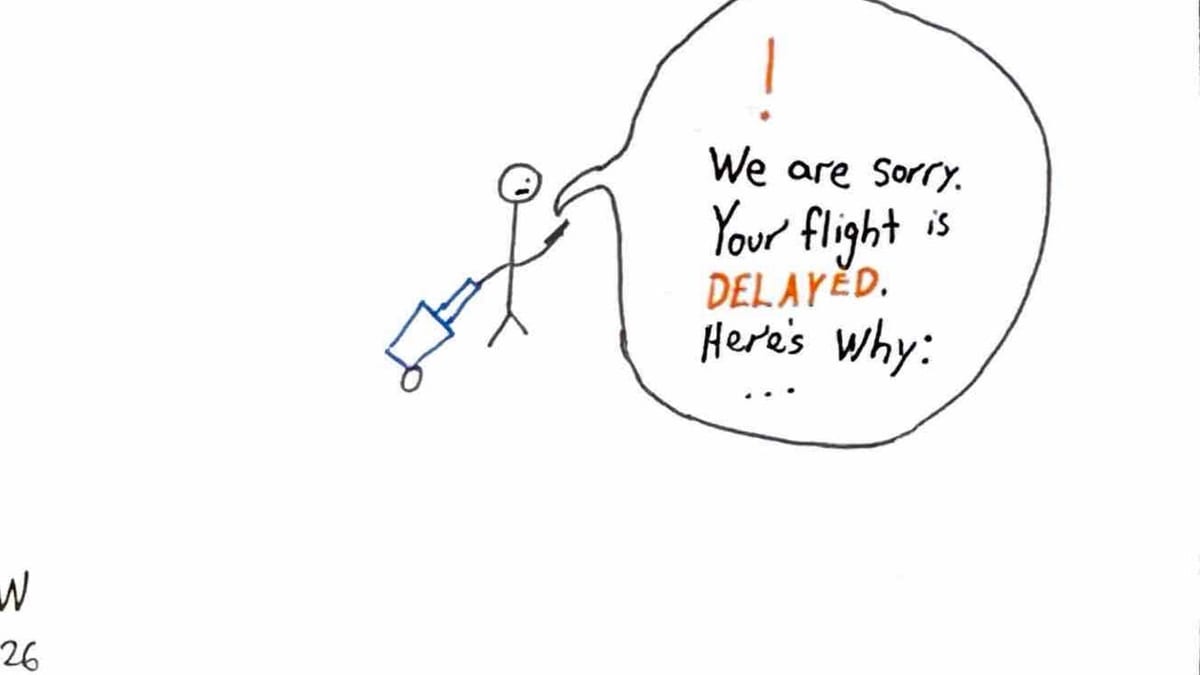
Image by usatoday.com
A New Era of Cause-Based Passenger Protections
Across major aviation markets, regulators are increasingly tying passenger protections to the documented cause of a disruption. In the United States, recent rules and guidance from the Department of Transportation place new emphasis on whether a delay is “within the airline’s control,” such as a crew scheduling problem or maintenance issue, or linked to external forces like extreme weather or air traffic restrictions. Publicly available information shows that automatic cash refunds for significant delays are now part of the rulebook, but only under specific circumstances.
Under a framework that took effect in stages from 2024, U.S. airlines must provide cash refunds when flights are canceled or significantly delayed and travelers choose not to take the rebooked service. However, these protections hinge on how the disruption is categorized. Documentation issued by the department outlines different buckets for causes, ranging from carrier-controlled issues to national aviation system constraints and extraordinary safety interventions, each with different implications for what passengers can expect.
In Europe, the long-standing EU261 regime has already made the cause of delay a decisive factor. The regulation grants compensation for long delays and cancellations when they are not triggered by “extraordinary circumstances,” a term that has been refined through years of court rulings. Analysis published by passenger-rights groups and think tanks indicates that this cause-based model has reduced the prevalence of lengthy delays while preserving safety-driven cancellations.
These parallel developments mean that, more than ever, understanding whether a delay stems from a staffing shortage, a software glitch, a storm system, or an air traffic control constraint can materially change a traveler’s options.
Why “Within the Airline’s Control” Is a Pivotal Phrase
The distinction between controllable and uncontrollable delays is now central to what happens after a disruption. U.S. policy documents describe controllable causes as issues such as airline staffing, routine maintenance, and problems with the aircraft that are not rooted in broad safety directives or manufacturer recalls. When a delay or cancellation falls into this category, many airlines commit, in writing, to offering hotel accommodation, meal vouchers, and free rebooking on their own flights.
By contrast, delays attributed to severe weather, security events, or nationwide air traffic constraints are generally labeled as beyond the carrier’s control. Publicly available guidance emphasizes that in these cases, U.S. airlines are not required to provide hotels or meals, even when disruptions stretch overnight. Instead, they may offer limited assistance on a voluntary basis. The same pattern appears in other jurisdictions: European rules, for example, often waive cash compensation in extraordinary circumstances but continue to require basic “duty of care” such as refreshments and accommodation.
Because these commitments are tied to internal delay codes and operational classifications, the way an airline records the cause of an event can directly shape the support that follows. Advocacy groups warn that a lack of clarity can leave passengers unaware that a disruption classified one way means a hotel voucher, while a different label for a similar experience means out-of-pocket expenses.
For travelers, the practical outcome is clear. Knowing whether an issue has been logged as a crew problem, a mechanical fault, or weather can make the difference between quietly accepting hours on the terminal floor or asserting a documented entitlement to a room, meals, or a full refund.
Transparency Tools Are Only Useful if Travelers Ask Why
Regulators and consumer groups have tried to narrow the information gap by publishing comparison dashboards and plain-language summaries of airline policies. The U.S. Department of Transportation’s cancellation and delay dashboard, for instance, lists which major carriers commit to providing meals and lodging when delays are attributed to causes within their control. Similar resources in Europe and other regions explain how specific reasons for disruption interact with local compensation rules.
Yet these tools depend on airlines disclosing reasons accurately and passengers knowing to look for them. Travel industry reporting in recent years has highlighted cases in which travelers received only vague explanations such as “operational issues” or “air traffic control” for delays later linked to staffing shortages or technical faults. Without a clear, documented cause, passengers struggle to match their situation to the commitments laid out on official dashboards or in regulations.
Consumer advocates argue that asking front-line staff for the specific coded reason, taking screenshots of app notifications, and noting how the delay is described in email updates have become essential steps. These small details can be critical if a traveler later seeks reimbursement, files a complaint, or turns to a regulator or mediator. When the record clearly shows that a delay was airline-controlled, it is harder for a carrier to deny the level of care or refund it has advertised.
In short, transparency initiatives have raised the stakes of the “why” behind a late departure, but it is still largely up to passengers to capture and use that information in real time.
Regulatory Shifts Make Documentation More Valuable
Recent policy changes are amplifying the importance of cause and documentation on both sides of the Atlantic. In the United States, a suite of refund and transparency rules finalized after 2024 pushes airlines to notify passengers about their rights when significant delays occur and to honor published customer service commitments regarding controllable disruptions. Separately, ongoing rulemaking efforts focus on standardizing how carriers categorize causes, with the aim of giving passengers more predictable outcomes.
In Europe, proposed amendments to EU261 reported in early 2026 aim to clarify gray areas that have led to lengthy disputes over what counts as extraordinary. Legal analyses note that the proposals would require quicker payouts and more consistent handling of re-routing and downgrades, again with the cause of the disruption as a central test. Researchers examining the regulation’s impact have found that firm, enforceable rules tied to specific delay causes can incentivize airlines to manage operations more tightly and reduce long delays.
For passengers, these developments make a paper trail increasingly powerful. Boarding passes, mobile app logs, written explanations, and even photos of departure boards help anchor what happened and when. When travelers can show that a delay met a legal threshold and was recorded as an airline-controlled issue, they are better positioned to claim compensation, secure rebooking, or demonstrate noncompliance in complaints processes.
The emerging pattern is clear: regulators are tightening frameworks, but the burden still falls on individual travelers to understand and document the “why” behind their disrupted journeys.
From Frustration to Leverage: How Knowing the Cause Changes Outcomes
The growing focus on the cause of flight delays is gradually shifting passenger behavior from passive frustration to informed negotiation. Travel industry coverage suggests that more travelers are now invoking specific rules when speaking to airline agents, referencing refund thresholds in the United States or EU261 standards at European airports.
When a traveler knows that a three-hour delay on a domestic U.S. flight or a long disruption in Europe may cross key regulatory thresholds, they are more likely to press for options beyond a simple flight credit. That might include asking for cash refunds instead of vouchers, requesting hotel and meal support during airline-controlled disruptions, or seeking rerouting on another carrier where agreements allow. Each of these outcomes depends on how the airline has categorized the delay.
The same knowledge can help travelers calibrate expectations. Understanding that a storm system or large-scale air traffic failure will generally not trigger cash compensation can reduce unproductive conflict at airport counters, even as passengers still seek basic care and timely information. By contrast, recognizing when an airline-controlled issue is at play can encourage travelers to stand firm on entitlements that carriers have publicly committed to provide.
As aviation networks grow more complex and disruptions more visible, the opaque “operational reasons” of the past are giving way to more granular explanations. For passengers prepared to listen closely and keep records, that shift turns the cause of a delay from a footnote on a departure board into a powerful piece of leverage.