


More news on this day
Travelers flying through San Francisco International Airport in the coming months are being warned to expect longer waits, as new Federal Aviation Administration limits on arrivals combine with a major runway construction project to reduce capacity and increase delays.
Get the latest news straight to your inbox!
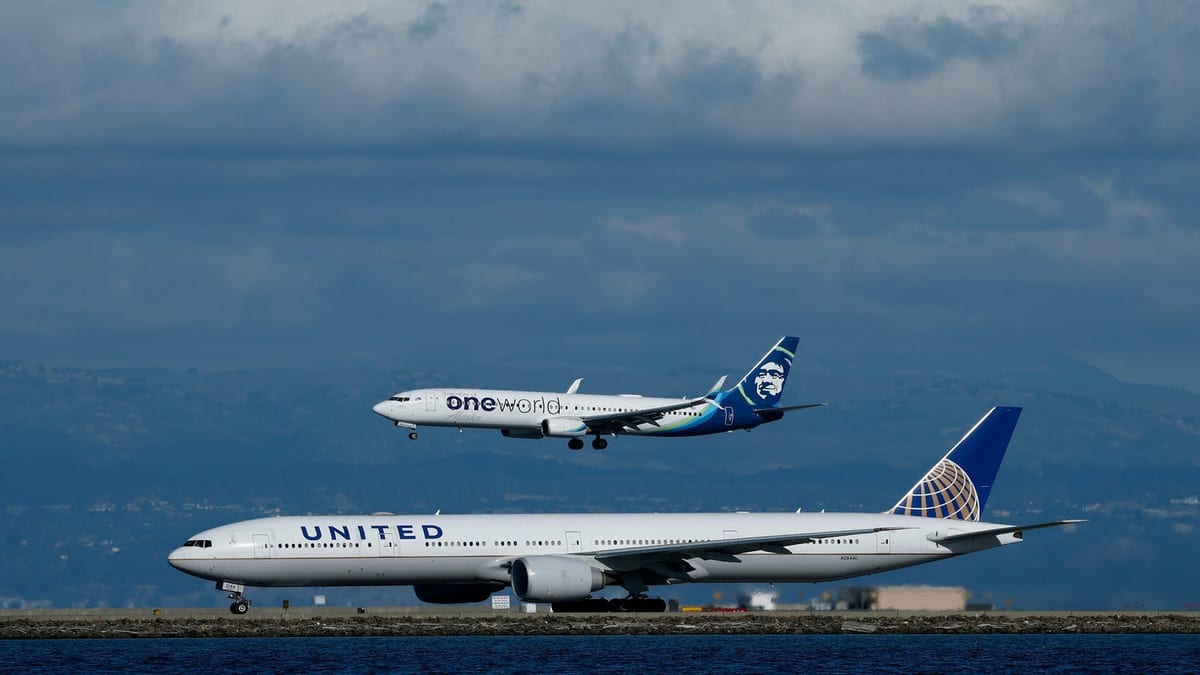
Image by usatoday.com
Arrival Capacity Cut From 54 to 36 Flights an Hour
Publicly available information shows that the FAA has reduced San Francisco International Airport’s maximum arrival rate from roughly 54 flights an hour to 36. The change follows a safety review of “side by side” parallel landings on the airport’s closely spaced east west runways, which for years allowed two aircraft to touch down at the same time in good weather.
The new restriction effectively removes those simultaneous approaches from regular use, meaning arriving aircraft must be spaced farther apart. At the same time, a six month repaving project has taken SFO’s north south runway pair out of service, forcing more traffic onto the remaining east west runways at precisely the moment when new spacing rules are tightening throughput.
Reports indicate that the combined effect is a one third reduction in arrival capacity compared with typical operations before the rule change and construction. While departures are not directly capped, reduced arrivals often ripple through the system, as aircraft and crews arrive late and push back behind schedule.
According to multiple published summaries of the FAA decision, the new arrival limit is described as permanent, while the construction related constraint will ease once repaving is completed. Until then, the lower ceiling on landings is expected to show up in airline schedules and day of travel delays.
Delays Expected for Roughly One in Four Arrivals
Airport projections cited in regional coverage suggest that about 25 percent of arriving flights at SFO may now experience delays of 30 minutes or more during the construction period. Earlier forecasts for the runway work alone indicated a smaller disruption, but the additional FAA restriction has significantly raised the expected impact.
San Francisco has long been one of the country’s most delay prone major airports, in part because of frequent low clouds and fog that reduce visual approach options. Federal traffic management documents and historic performance data already show SFO near the top of national rankings for ground delay programs and arrival slowdowns even in normal years.
With the new measures in place, industry observers expect more frequent use of formal ground delay programs that meter flights into the Bay Area, giving each departure a controlled takeoff window tied to a landing slot at SFO. When the planned arrival rate drops, those slots become scarcer, and both inbound and outbound flights can be held at their origin airports or on taxiways.
Travelers may see the impact as longer posted arrival times, rolling departure pushes, and tighter standby availability on popular routes. Airlines are still reviewing the rule change and may adjust schedules in coming weeks to better align with the lower, more predictable arrival rate.
Safety Review Targets Parallel Runways and Crowded Airspace
The FAA’s move follows a broader national focus on runway safety and near collisions in busy terminal areas. According to reports in national and local outlets, the agency reevaluated SFO’s longstanding use of closely spaced parallel runways after recent high profile incidents at other airports and a year long examination of traffic patterns in complex airspace.
San Francisco’s east west runway pair is separated by about 750 feet, substantially closer than at many other large hubs that rely on simultaneous independent approaches. For years, those operations at SFO were limited to good visibility and specific wind and traffic conditions, but they nonetheless allowed the airport to run at higher arrival rates during peak periods.
Published analyses of the new policy indicate that the FAA has now restricted those parallel approaches, effectively trading some capacity for additional safety margin in the crowded Bay Area airspace, which also includes Oakland and San José airports as well as several smaller fields. The combination of intersecting routes, terrain and frequent low ceilings has long made the region a challenge for air traffic controllers.
Although the agency has emphasized that the SFO change is tied to the airport’s unique layout and traffic complexity, industry groups are watching closely to see whether similar reviews at other airports could lead to new limits on arrivals or parallel operations elsewhere in the country.
Runway Construction Extends Disruption Into the Fall
The timing of the FAA rule change coincides with a planned six month closure of SFO’s north south runway pair for resurfacing and related work. Airport planning documents show that the project is scheduled to run through early October, after which that runway system is expected to return to service.
Before the FAA decision, airport officials had projected that the construction project alone would delay about 10 to 15 percent of flights, mostly during morning and evening peaks. With the new arrival cap layered on top, that estimate has been raised, and the window for congestion is expected to widen, particularly on busy days and during marine layer conditions.
Once the repaving is finished, SFO anticipates that its hourly arrival rate can climb back somewhat, though not to the previous 54 flights per hour. Local coverage of the FAA’s announcement notes that the revised long term target under the new rules is in the mid 40s per hour, leaving a lasting reduction in theoretical peak capacity even after construction wraps up.
In practical terms, that means some level of schedule constraint and heightened sensitivity to weather and operational disruptions could persist beyond this summer’s travel season. Airlines may ultimately respond by spreading flights more evenly across the day, upgauging to larger aircraft on key routes, or shifting some capacity to other Bay Area airports.
What Travelers Through SFO Should Expect
For passengers, the new limits translate into a higher likelihood of afternoon and evening delays, particularly on days when marine layer clouds, strong crosswinds or other adverse conditions are present. Historical patterns at SFO already show delay spikes during those windows, and the current combination of runway work and tighter arrival spacing increases that vulnerability.
Travel media and consumer advocates are advising travelers who have flexibility to consider earlier departures, nonstop routes when possible and slightly longer connection times on itineraries that pass through San Francisco. Published guidance from airlines and airport information pages also highlights the importance of monitoring flight status closely on the day of travel and enrolling in carrier notifications for schedule changes.
Passengers originating in the Bay Area may benefit from checking options at Oakland or San José, which are not directly affected by the SFO specific arrival cap, though they are part of the same regional airspace. For some routes, particularly within California and the West, alternate airports may offer more reliable on time performance during the height of construction.
For now, publicly available information indicates that airlines and the FAA are continuing to coordinate on ways to manage the reduced capacity while maintaining safety margins. Until the north south runways return to service and the new arrival rate stabilizes, however, travelers using San Francisco International Airport should plan for a greater chance of delays and build extra time into their journeys.