

More news on this day
Early spring wildfires flaring across Kentucky, Wyoming, Louisiana, Montana, Kansas and Alabama are intensifying concerns that a hotter, drier 2026 could push parts of the United States tourism economy to a tipping point.
Get the latest news straight to your inbox!
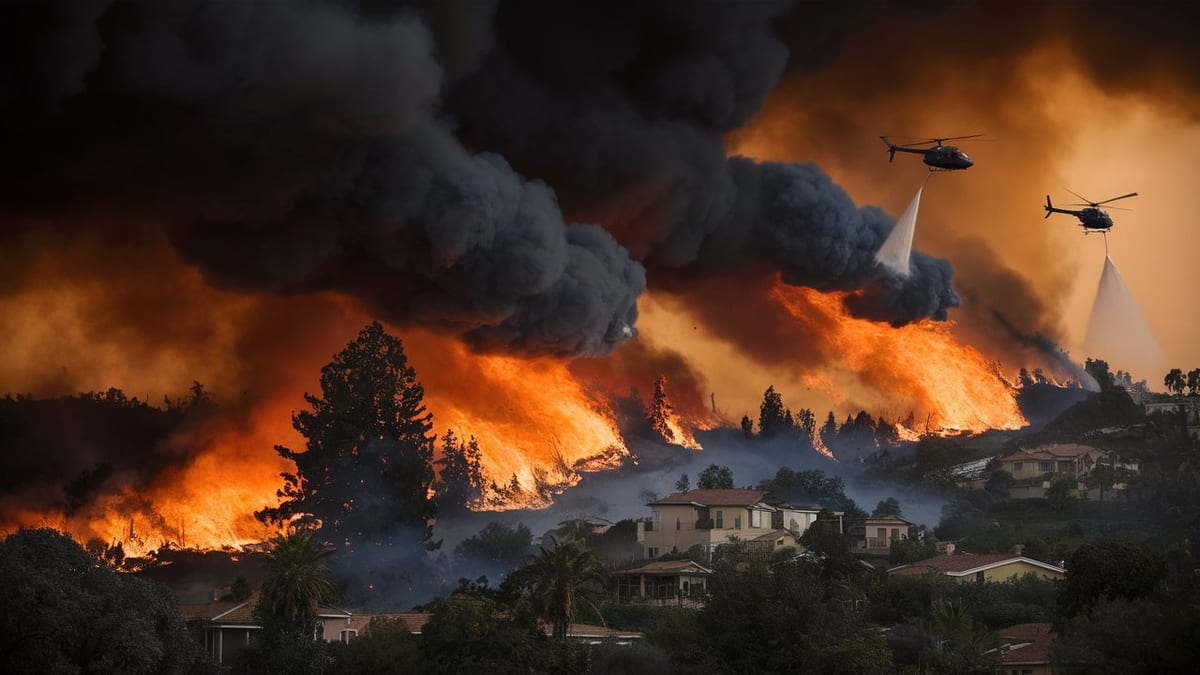
Image by Latest International / Global Travel News, Breaking World Travel News
From Local Fire Seasons To A Multi State Emergency
Publicly available incident summaries and state wildfire dashboards show that what began as a set of localized fire seasons is now presenting as a multi state pattern stretching from the Great Plains to the Appalachian foothills. In Kentucky, an elevated spring wildfire hazard season was declared through April 30, with state forestry reports stressing that March and April are historically the most active months for fire starts as dry vegetation, gusty winds and unseasonably warm temperatures converge.
Farther west, national fire tracking data for 2026 point to several notable blazes in Wyoming, Montana and Kansas, where grassland and rangeland fires have already burned thousands of acres. In Montana, early season fires near transportation corridors and recreation areas have required targeted evacuations and closures, underscoring the speed at which small escaped burns can expand under the right conditions.
Louisiana and Alabama, more often associated in the public mind with hurricanes and flooding, are also registering significant wildfire activity in 2026. Monitoring of southern states highlights a growing number of days with critical fire weather, as warm, windy conditions dry out forests and fields between rain events. This shifting risk profile is drawing attention from destination managers who have typically built their marketing calendars around coastal storms rather than inland fire.
Together, the pattern suggests that 2026 is shaping up as a year when wildfire risk is not confined to the western states that usually dominate headlines. For travelers, that means paying attention to conditions in places that may not have been on traditional wildfire watch lists only a decade ago.
Kentucky’s Outdoor Destinations Face A New Level Of Risk
In Kentucky, the overlap between wildfire season and the ramp up of spring tourism is particularly stark. The state’s spring hazard period runs through the end of April, just as visitors begin to fill hiking trails in Red River Gorge, campgrounds in Daniel Boone National Forest and scenic byways through the Cumberland Plateau. Reports from regional weather observers in March described temperatures spiking into the upper 80s and low 90s during prescribed burns, a sign of how quickly fuels are drying out.
Land managers have responded with tighter burning restrictions, expanded public advisories and, in some cases, short notice trail and access closures when smoke affects visibility or when firefighting aircraft need unobstructed airspace. These operational changes are designed to reduce risk, but they can also disrupt carefully planned itineraries built around climbing, backpacking or scenic drives.
Tourism development initiatives in smaller Kentucky river towns and heritage corridors increasingly depend on predictable spring and fall visitor flows. When smoke or active fire activity leads to temporary closures, small lodging operators, guides and outfitters have little financial cushion. Industry groups are watching 2026 closely to see whether a single difficult season will be followed by recovery, or whether fire related disruptions become a recurring feature of spring travel in the state.
For now, travel planners promoting Kentucky are emphasizing flexible bookings, clear communication with guests and close monitoring of state forestry updates in the weeks ahead. The goal is to keep visitors coming while acknowledging that more frequent short term fire restrictions are now part of the operating environment.
Western Gateways To National Parks Under Pressure
In Wyoming and Montana, early season wildfires are intersecting with some of the country’s most iconic road trip routes. Fire danger maps published in late March highlight pockets of high to very high risk across parts of both states, particularly in lower elevation grasslands that ring mountain destinations. Even relatively small fires near major highways can trigger traffic delays, detours and short notice campground or trail closures.
Gateway communities serving national parks and monuments in the region rely heavily on drive in tourism from late spring through early fall. When smoke obscures views or when fire crews are staged along popular scenic routes, travelers sometimes adjust plans in real time, skipping overnight stays or canceling backcountry permits in favor of alternative routes.
Recent seasons have already pushed many mountain towns to rethink how they talk about fire and smoke with potential visitors. Destination marketing materials now routinely reference fire awareness, recommend travel insurance and encourage midweek or shoulder season visits to spread demand. The 2026 pattern of fires appearing earlier in the calendar is accelerating those conversations as businesses consider whether to front load more of their revenue into June and early July, before late summer smoke becomes a threat.
At the same time, tourism boards are cautious about overstating risk in a way that might deter visitors altogether. Many fire incidents remain far from core attractions and are managed quickly. The challenge is to communicate that reality while still preparing guests for the possibility of dynamic conditions, variable air quality and changing access.
Southern States Confront Dual Threats Of Fire And Heat
Louisiana, Kansas and Alabama are also navigating a complex mix of wildfire risk and extreme temperature anomalies in 2026. Weather analyses in March documented record or near record heat across portions of the central United States, including parts of Kansas and neighboring states. Extended warm, dry spells between storm systems leave vegetation primed to burn, especially in prairie and pine regions where wind can rapidly spread flames.
In Louisiana, local television weather segments through March have repeatedly flagged elevated fire danger on days with low humidity and gusty winds, adding wildfire risk language to broadcasts that traditionally emphasized rainfall and severe thunderstorms. Rural parishes that market hunting, fishing and bayou ecotourism are seeing more days when campfires are discouraged, outdoor burning is restricted or air quality is degraded by smoke drifting from upland fires.
Alabama’s Black Belt and forested hill country, which have worked to grow heritage, festival and outdoor recreation tourism, face similar pressures. Regional news outlets in late March urged residents to avoid outdoor burning because of dry conditions and increased risk of fire spread, signaling a concern that extends beyond land management agencies to local civic and business leaders.
For travelers, this evolving landscape means that even traditionally green and humid states can face sudden wildfire related disruptions. Heat advisories, burn bans and air quality alerts may appear alongside more familiar hurricane season messaging, complicating how visitors time trips and what activities they feel comfortable pursuing.
Tourism Industry Adapts To A More Volatile Future
Across all six affected states, the tourism sector is beginning to treat wildfire as a structural risk rather than an occasional anomaly. National and state level wildfire outlooks for 2026 emphasize that warmer temperatures, variable precipitation and changing vegetation patterns are increasing the number of days with critical fire weather in many parts of the country.
Destination managers and travel businesses are responding by updating crisis communication plans, investing in air filtration for lodging, training staff on evacuation procedures and reviewing insurance coverage related to fire and smoke disruption. Some outdoor outfitters are diversifying their offerings, adding shoulder season cultural tours or urban experiences that are less affected by smoke to counterbalance the risk of wildfire related cancellations.
Travel organizations are also placing more emphasis on traveler education. Itineraries and confirmation emails increasingly include reminders to check state wildfire dashboards, sign up for local alert systems and build flexibility into road trip routes. The message is not to stay away, but to arrive prepared for faster changing conditions than in previous decades.
As 2026 progresses, the scale and duration of wildfires in Kentucky, Wyoming, Louisiana, Montana, Kansas and Alabama will determine whether this spring is remembered as a short term shock or a clear turning point. For now, the pattern of early season fires across such a wide geographic area is reinforcing a broader reality for US tourism: climate and weather volatility are no longer background factors but central considerations in how and where people travel.