

More news on this day
Thousands of travelers across the United States are facing another day of severe disruption on February 24 as major airlines including Delta Air Lines, United Airlines and JetBlue cancel and delay flights in the wake of Winter Storm Hernando, with routes to and from Boston, Newark, New York LaGuardia, Miami, Fort Lauderdale, Dublin and other major destinations hit by rolling operational fallout.
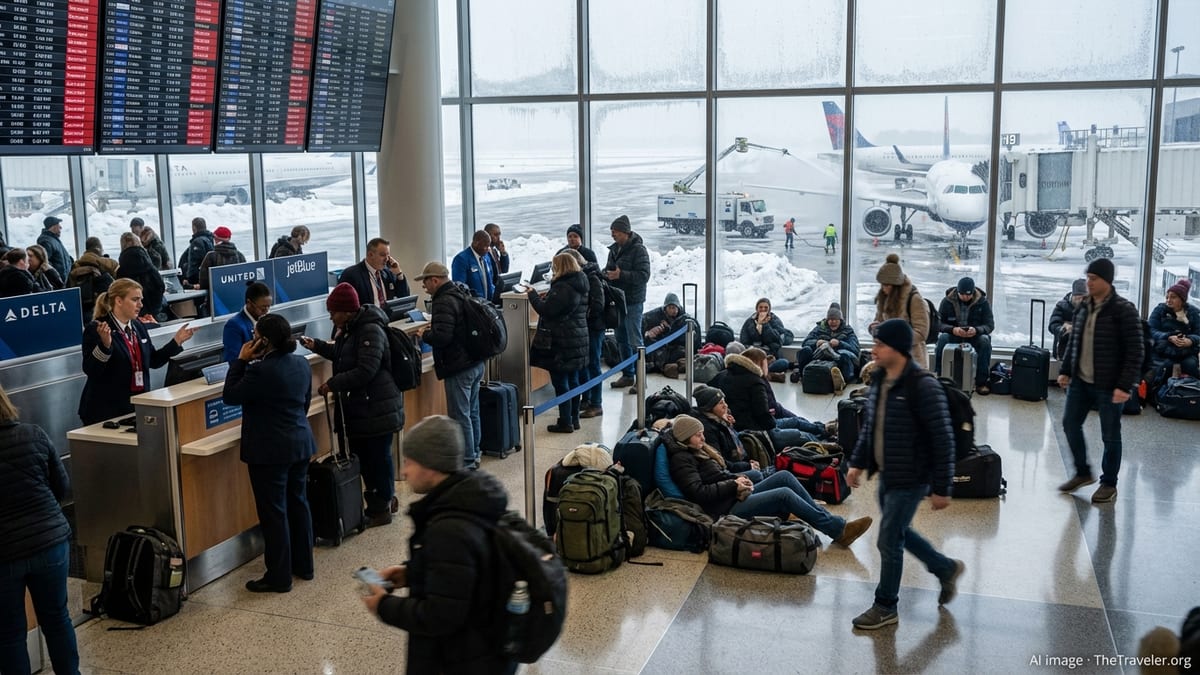
Storm Hangover Keeps Pressure on Major U.S. Hubs
The latest wave of cancellations comes less than 24 hours after a crippling blizzard effectively shut down much of the Northeast air network on Monday, when more than 5,000 flights were scrapped as heavy snow and strong winds swept from Washington to New England. Data from flight-tracking services on Tuesday morning show more than 2,000 additional flights within, into or out of the United States already canceled as airlines work to restart their schedules on severely constrained infrastructure.
Boston Logan, Newark Liberty and New York’s LaGuardia remain among the hardest hit airports, with carriers still operating limited schedules after suspending the vast majority of services during the height of the storm. Delta has kept operations largely paused at Boston, JFK, LaGuardia and Newark into Tuesday, while United and JetBlue continue to trim departures and arrivals as they reposition aircraft and crews and wait for ramp and deicing teams to clear accumulated snow and ice.
Although weather conditions are beginning to improve and the storm system is slowly moving offshore, the National Weather Service warns that lingering high winds and the sheer volume of snow on taxiways and aprons mean normal operations are unlikely to resume quickly. That has left many travelers confronting a second or even third consecutive day of disruption, particularly on routes that depend on tight connections through the New York and Boston hubs.
Delta, United and JetBlue Lead Latest Cancellation Tallies
Among major carriers, JetBlue is once again recording one of the highest shares of canceled flights on Tuesday after cutting a significant portion of its schedule on Monday as the storm’s strongest bands passed directly over its core Northeast markets. The airline, heavily concentrated in Boston and New York, has axed dozens of departures serving cities including Fort Lauderdale, Orlando, Miami and international destinations such as Dublin that rely on transatlantic connections through the region.
Delta Air Lines has also extended widespread disruptions into Tuesday, after announcing that most of its Northeast operations would be suspended through at least February 24. The carrier has been particularly affected at Boston Logan and the three major New York–area airports, where aircraft and crews remain out of position following back-to-back waves of cancellations. Delta has issued a systemwide travel waiver for customers whose itineraries touch affected airports, allowing rebooking without change fees and, in many cases, without fare differences within a limited window.
United Airlines continues to report elevated disruption as well, especially at Newark Liberty, one of its key transatlantic and domestic hubs. Flights linking the New York region with Florida hotspots such as Miami and Fort Lauderdale, as well as European gateways including Dublin, have been thinned out as United focuses on restoring core operations and long-haul connections where conditions permit. Other carriers, including American, Spirit, Frontier and Southwest, are also reporting clusters of cancellations and delays across the East Coast and at major Florida airports that depend on inbound traffic from the Northeast.
Florida, Dublin and Other Downline Destinations Feel the Ripple Effect
Even airports far from the blizzard’s direct impact zone are feeling the knock-on effects of the Northeast shutdown. Orlando International has become one of the clearest examples of these secondary disruptions, with nearly 250 flights canceled and close to 90 delayed as of Tuesday linked to blizzard-related schedule upheaval. Many of those flights are tied to routes from Orlando to Boston, Newark, New York and Philadelphia, leaving families and vacationers stranded at the peak of winter getaway season.
In South Florida, Miami International and Fort Lauderdale–Hollywood International are reporting a patchwork of cancellations and extended delays as aircraft and crews fail to arrive from snowbound northern hubs. While local weather in Miami and Fort Lauderdale is largely conducive to flying, airlines have cut or consolidated services on popular corridors to free up resources for core operations in the Northeast, leaving some sun-bound travelers scrambling for remaining seats over the next several days.
Transatlantic routes are also under pressure. Dublin, which relies on strong connectivity with New York and Boston, is seeing disrupted inbound and outbound traffic as U.S. carriers cancel or reschedule departures while they assess runway conditions, crew duty limits and broader network constraints. Passengers heading to and from Europe face a higher risk of last-minute schedule changes, with some services retimed to off-peak hours to squeeze in extra flights as runway capacity slowly comes back online.
What Stranded Passengers Need to Know Today
For travelers with flights scheduled on February 24 and in the days immediately following, airlines and airports are urging a cautious and proactive approach. Most major carriers have activated weather waivers covering trips to, from or through affected hubs, allowing customers to move their travel dates without change fees and, in many cases, with relaxed rules on fare differences, provided they travel within an approved rebooking window. That flexibility is designed to reduce bottlenecks at airport counters and call centers while giving passengers a clear path to rebook once operations stabilize.
Industry analysts note that the current situation is especially challenging because the storm arrived during an already busy winter travel period and hit multiple hub airports simultaneously. That left airlines with limited options for rerouting passengers and aircraft, particularly on long-haul and international routes where crew rest requirements and aircraft availability are tightly choreographed. With thousands of flights canceled since Monday, carriers are warning that it may take several days for schedules to normalize, even after the last snow band passes.
Travelers currently on the road are being advised to monitor their airline’s app frequently, sign up for text or email alerts and avoid heading to the airport until their flight is clearly confirmed as operating. Airports in the Northeast are still working through long lines at check in and security after Monday’s near-total shutdowns, and some terminals remain congested as passengers wait for limited standby seats on restored services. Those with flexible plans are being encouraged to push trips later into the week to give airlines breathing room to clear backlogs.
Longer-Term Impact on Airlines and Travelers
The scale and timing of Winter Storm Hernando’s disruption is expected to leave a visible mark on airline performance metrics and finances for the first quarter of 2026. Carriers have already been grappling with weather-related challenges earlier in the season, including a powerful bomb cyclone that impacted parts of the East Coast in early February, as well as ongoing constraints in aircraft delivery schedules and tight labor markets for pilots, mechanics and ramp workers.
Stock market reaction has been swift: shares of major U.S. airlines, including Delta, United and JetBlue, fell at the start of the week as investors digested news of thousands of cancellations and warnings about weaker revenue from disrupted operations. Analysts say that while the financial impact of a single storm is typically short lived, repeated weather shocks in key hub regions can compound existing operational stresses and push carriers to further refine their winter preparedness plans.
For passengers, the latest chaos underscores the vulnerability of tightly interconnected airline networks to severe weather in a handful of chokepoint airports. Travel planners are once again emphasizing the value of early morning departures, longer connection times and, where possible, nonstop routes that avoid weather-prone hubs during peak winter months. As cleanup continues in Boston, New York and other affected cities, travelers heading through the region this week are being urged to build additional buffer time into their itineraries and to prepare for rapidly changing conditions both on the ground and in the skies.