

More news on this day
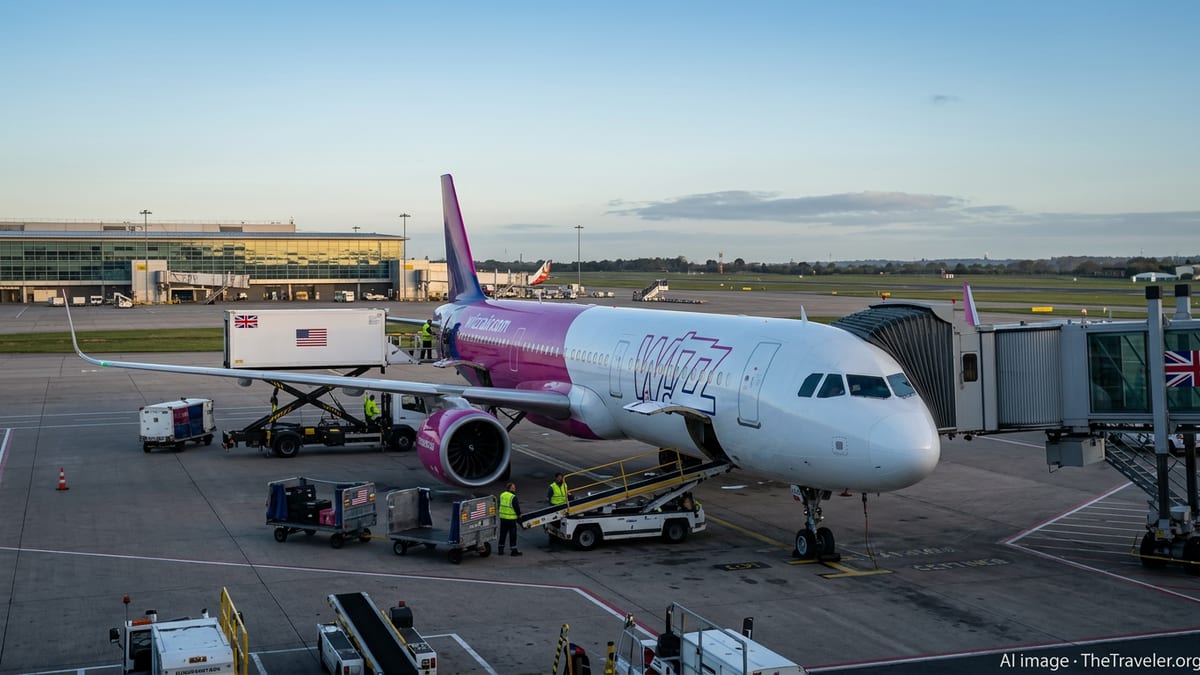
Wizz Air UK has secured regulatory approval from US authorities to operate transatlantic charter flights between the United Kingdom and the United States, a milestone that positions the ultra low cost carrier to tap booming demand for group travel ahead of the 2026 FIFA World Cup.
What the New US Approval Actually Allows
The approval granted by the US Department of Transportation gives Wizz Air UK the right to operate passenger flights between the UK and US under a foreign air carrier permit. Crucially, the airline has been cleared to offer charter services across the Atlantic, rather than regular scheduled routes that appear in public booking systems.
According to company statements, Wizz Air UK does not plan to launch daily or weekly scheduled US services for individual leisure travelers at this stage. Instead, the approval is structured around tailored charter operations for pre arranged groups. This reflects both the regulatory framework of the permit and the carrier’s more cautious approach to entering the highly competitive transatlantic market.
Charter approvals typically give airlines flexibility on routing, timings and capacity, as long as flights are contracted in advance with organizations such as tour operators, sports bodies or corporate clients. For Wizz Air UK, this creates an opening to test transatlantic demand and operational performance without the financial exposure of filing full schedules and selling seats segment by segment.
The airline’s application followed the terms of the post Brexit Open Skies style agreement between the UK and US, which allows designated carriers from both sides to operate commercial services across the Atlantic subject to safety and economic fitness checks by regulators.
World Cup 2026: Football Charters Drive the Strategy
The timing of the approval is closely tied to the 2026 FIFA World Cup, which will be held across venues in the United States, Mexico and Canada. With multiple host cities spread across 10 US states, European fan travel is expected to surge, especially for national teams and supporter groups accustomed to short haul low cost flying in Europe.
Wizz Air UK has signaled that a key early focus will be on transporting European football teams, staff and fans to and from US host cities on bespoke charter services. These flights are likely to operate from major Wizz Air bases and key football markets in Europe to gateway airports in the US that can efficiently handle large groups and charter operations.
Industry analysts note that sporting events often act as catalysts for new air links, giving airlines a short term but high intensity demand environment that can justify one off or seasonal charter programs. For Wizz Air UK, the World Cup offers a high profile platform to showcase its long haul capabilities and build experience on North Atlantic routes.
Beyond football, the airline has indicated that the same charter framework will be available to tour operators organizing escorted holidays, corporate travel planners coordinating conferences and events, and sports organizations across different disciplines seeking dedicated aircraft for teams and supporters.
How These Charters Will Work for Travelers
For most passengers, Wizz Air’s first transatlantic flights will not appear as simple point to point tickets on the airline’s website or app. Instead, seats will generally be sold as part of a wider package or group arrangement, such as a World Cup supporter trip, a sports club tour or a corporate incentive program. Travelers will book through their club, employer or tour operator, which in turn contracts the aircraft from Wizz Air UK.
This model means that while the aircraft, cabin crew and onboard product will be Wizz branded, many service details will be shaped by the charter customer. Departure airports, schedules, onboard catering and baggage allowances may differ from the airline’s standard European low cost offering, depending on the requirements negotiated in each contract.
Prospective passengers should expect Wizz Air’s typical ultra low cost configuration with single class cabins and relatively high seat density. However, charter operations sometimes allow for small adjustments, such as reserved seating blocks for teams, enhanced equipment allowances for sports gear or tailored meal options for long overnight sectors.
Because these are charter flights, consumer protections and conditions of carriage will still apply, but communication on schedule changes, check in procedures and add on services will often flow through the organizing group rather than directly from the airline. Travelers considering such packages should pay close attention to documentation from their tour operator or club regarding inclusions, flexibility and insurance.
Airline Strategy: Testing the Transatlantic Waters
Wizz Air has long focused on short and medium haul routes across Europe, the Middle East and parts of Central Asia, building a network based on high aircraft utilization and aggressive cost control. Moving into transatlantic flying represents a strategic shift for the group, one that management has previously treated with caution due to intense competition and higher operating risks.
By starting with charters instead of full scheduled services, Wizz Air UK can enter the North Atlantic market in a measured way. Charter contracts typically guarantee payment for a block of seats or an entire aircraft, which can reduce revenue volatility relative to relying solely on individual ticket sales. This approach may suit an ultra low cost business model that depends on maintaining strict cost discipline and avoiding long periods of low load factors.
The airline has been steadily adding longer range Airbus aircraft to its fleet, including variants capable of efficiently operating deeper into the North Atlantic from UK airports. The US approval allows Wizz Air UK to deploy these jets on high demand peak events like the World Cup, while preserving flexibility to redeploy capacity back into its core European network when needed.
Market observers will be watching whether successful charter operations eventually pave the way for scheduled services linking key Wizz Air UK bases such as London with major US cities. For now, the company insists there are no immediate plans for regular commercial routes, but the new permit clearly keeps that option open for the medium term.
What This Means for Transatlantic Fares and Competition
The entry of a new ultra low cost player into the transatlantic arena, even on a charter only basis, is likely to intensify price competition around large group travel for events and holidays. Tour operators and sporting bodies arranging mass movements of fans and participants will have an additional bargaining tool when negotiating terms with established legacy and leisure carriers.
For individual travelers hoping for rock bottom Wizz Air ticket prices to US cities in the near future, expectations should be tempered. The carrier’s current approvals and public statements point squarely to bespoke group charters rather than open market sales. Any downward pressure on widely available transatlantic fares is therefore likely to be indirect and limited in the short run.
In the longer term, however, a successful charter program could demonstrate that ultra low cost narrow body operations across the Atlantic are commercially viable at scale for Wizz Air UK. That scenario would add to competitive pressure on existing low cost transatlantic airlines and traditional network carriers, especially on routes connecting the UK and major diaspora or tourism markets in the US.
For now, the approval marks a symbolic and practical step that broadens Wizz Air UK’s strategic options. Travelers linked to teams, clubs, companies or tour groups may be the first to experience the purple and pink livery on US tarmacs, as the airline quietly tests its transatlantic ambitions one charter contract at a time.