


More news on this day
As World Cup kickoff nears, international fans from the United Kingdom, Canada, South Korea, Japan, France, Italy and Spain are helping to fill planes on Delta Air Lines, United Airlines and American Airlines, yet in host city Philadelphia the anticipated tourism boom has been slow to reach local hotels and short term rentals.
Get the latest news straight to your inbox!
Global Fans Drive Record-Breaking Flight Demand
New travel data indicates that international interest in the 2026 World Cup is translating first and fastest into air bookings. Travel analytics firms report double digit and, in some cases, strong double digit increases in flights to North American host cities compared with the same summer period last year, with particularly sharp growth from mature football markets such as the United Kingdom, France, Spain and Italy, as well as Canada and key Asian markets including Japan and South Korea.
One recent analysis of flight searches and ticketed itineraries found that a majority of World Cup host cities in the United States, Canada and Mexico are already seeing significant year over year gains, underscoring how quickly demand is building on transatlantic and transpacific routes. Bookings from Canada alone were reported up by more than half for travel in the core World Cup window of June and July, as fans take advantage of non stop connections into U.S. venues.
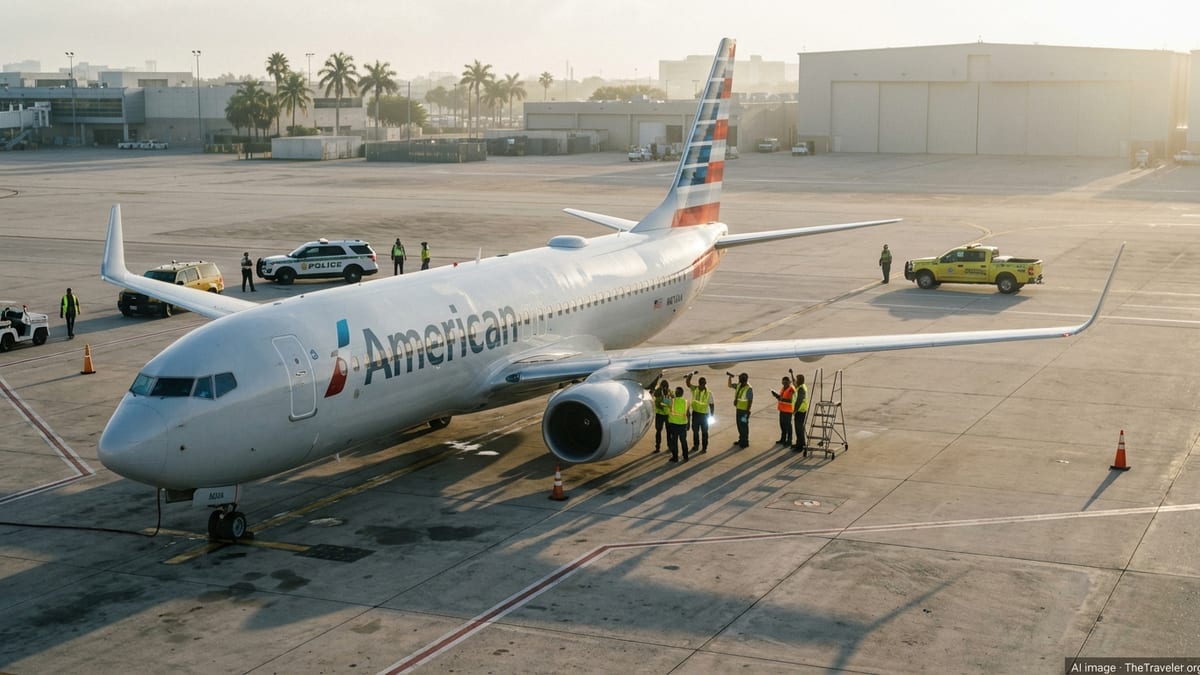
Major U.S. carriers appear to be capturing the bulk of this surge. Publicly available schedule information shows that Delta, United and American have all built World Cup related demand into their peak summer 2026 plans, concentrating capacity around key hubs that serve host cities. The airlines are adding frequencies on transatlantic routes, upgauging aircraft on select services, and leaning on joint venture partners in Europe and Asia to funnel fans through connecting gateways.
Industry commentary suggests that premium cabins and higher yielding economy fares are selling particularly well to long haul supporters from Europe and East Asia, many of whom are pairing match tickets with extended U.S. itineraries. That pattern is helping to push average fares higher in the weeks surrounding the tournament, especially into major coastal hubs and large inland markets such as Dallas and Atlanta that act as distribution points for onward domestic flights.
Airlines Tilt Summer Schedules Toward Host Cities
Network planning decisions at Delta, United and American reflect the expectation that the World Cup will be one of the defining demand events of the 2026 summer season. Travel industry coverage notes that United is preparing a record transatlantic schedule, with hundreds of weekly roundtrip flights planned at peak and additional service linking European capitals to major U.S. gateways. Several of those gateways, including New York and San Francisco, are within easy reach of World Cup venues.
Delta, which operates one of the largest global route networks, is similarly aligning its international portfolio with anticipated tournament flows. Recent schedule updates show robust capacity between its hubs in Atlanta and New York and important origin markets such as London, Paris, Rome and Tokyo, all of which have strong outbound fan bases. American, with its extensive presence in Dallas Fort Worth, Miami and Charlotte, is targeting both Latin American and European demand, positioning itself as a key carrier for fans connecting into central and southern U.S. host cities.
Beyond published schedules, airlines are also relying on dynamic revenue management to manage the World Cup spike. Industry reports highlight that carriers are closely tracking booking curves by origin market and match date, allowing them to adjust prices and, where possible, swap in larger aircraft on flights that are filling faster than expected. Private aviation providers are layering on additional capacity as well, partnering with major carriers to handle high net worth travelers and corporate clients who want flexible, last minute options tied to knockout stage matchups.
The result is that seats into North America during the World Cup window are already markedly more expensive than during comparable weeks in 2025, with limited availability remaining in lower fare buckets on popular routes from Western Europe and Northeast Asia. For casual summer travelers with no interest in football, this is likely to mean either altered dates, alternative airports or acceptance of higher prices as they compete with tournament fans for lift.
Philadelphia’s Hotel Market Lags the Flight Surge
While planes are filling, hotel operators in Philadelphia report a very different picture. Multiple recent analyses of forward bookings across U.S. host cities indicate that Philadelphia is among the markets where lodging demand for June and July is tracking below earlier expectations, and in some cases even below a typical summer baseline. Surveys of local hoteliers suggest that a large share of properties have yet to see the kind of compression that would normally accompany a global event of this magnitude.
Published coverage of the region’s hospitality sector notes that roughly three quarters of surveyed hotel owners around Philadelphia described bookings for the World Cup period as underperforming. Some operators point to the cancellation of a block of tournament related reservations as another factor that has left more rooms on the market than initially projected, reducing the sense of scarcity that often drives early bookings by fans.
Short term rental inventory in and around the city also remains relatively open compared with the booking patterns seen during past major sporting events. Industry commentary suggests that some visitors may still be waiting to finalize plans until after team progress and group stage results become clearer, especially supporters from nontraditional markets facing higher costs and more complicated travel logistics.
For local tourism stakeholders, the current disconnect between record air demand into North America and muted hotel activity on the ground is a source of concern. Philadelphia secured six World Cup matches and has invested heavily in marketing and infrastructure in anticipation of an international tourism windfall, but the latest data shows that much of that upside has yet to materialize in confirmed room nights.
Visa Policies and Perceptions Weigh on International Arrivals
A key challenge for host cities such as Philadelphia lies outside local control. National level visa rules and security policies are emerging as significant brakes on international travel, particularly from emerging football nations. Recent surveys conducted for the American hotel industry found that roughly two thirds of hotel owners in host cities believe visa barriers and geopolitical concerns are meaningfully suppressing inbound demand, despite strong interest in attending matches.
Under current programs, citizens of several World Cup participating countries face higher financial and administrative hurdles to obtain a U.S. tourist visa, including substantial bond requirements in some cases. Travel trade groups report that these policies are prompting some fans to favor Canada and Mexico, where entry procedures can be perceived as less onerous, and where World Cup matches are also being staged.
Perceptions around safety and the complexity of the U.S. entry process add further friction. Research cited by travel associations indicates that would be visitors often overestimate the difficulty of securing an appointment, gathering documentation and clearing border controls, particularly if they are not frequent international travelers. For budget conscious supporters from Africa, parts of Asia and Latin America, layering visa costs on top of already high airfares and match tickets can make alternative destinations more appealing.
These headwinds help explain why air bookings may be surging out of relatively wealthy, visa exempt or visa friendly markets such as the United Kingdom, France, Italy, Spain, Japan, South Korea and Canada, while broader global attendance lags behind initial forecasts. For a secondary U.S. gateway like Philadelphia, which relies heavily on connecting traffic and long haul international arrivals, the impact of those barriers is especially visible in hotel booking data.
Short Booking Windows Keep Outlook Uncertain
Travel analysts caution that it may still be too early to declare the World Cup a disappointment for Philadelphia’s tourism sector. Recent commentary from destination marketing organizations in other host cities notes that booking windows for major events have shortened, as travelers wait longer to commit in the face of economic uncertainty, fluctuating airfares and changing personal schedules. That trend appears particularly pronounced among international visitors, who are balancing multiple large scale events in their 2026 travel plans.
Data from comparable markets suggests that spikes in lodging demand can arrive just weeks or even days before headline matches, compressing the typical booking curve into a much shorter period. In Kansas City, for example, hotel reports initially showed low forward occupancy, only for week to week gains to accelerate as the tournament approached, offset in part by robust demand for short term rentals and strong air traffic growth.
Philadelphia hoteliers are watching for similar late breaking trends. If fans from the United Kingdom, France, Italy, Spain, Japan, South Korea and Canada continue to secure flights on Delta, United and American and then backfill accommodation closer to departure, the city could yet see a rapid run up in occupancy and rates. However, industry observers warn that reliance on last minute bookings also raises the risk that some capacity will remain unsold if visa processing delays or economic shocks deter travelers from completing their trips.
For now, the World Cup travel story is one of contrast. International football supporters are driving record flight bookings on the largest U.S. airlines, signaling intense global interest in the first tri nation World Cup. On the ground in Philadelphia, though, hotel demand has yet to match the excitement in the skies, leaving the city’s tourism industry waiting to see whether a late rush of arrivals can still turn projections of a World Cup windfall into reality.