

More news on this day
High in India’s Ladakh region, the remote Zanskar Valley is transforming its harshest season into a tourism draw, using a winter festival of skiing, yoga and traditional arts to spotlight a landscape once known mainly for isolation.
Get the latest news straight to your inbox!
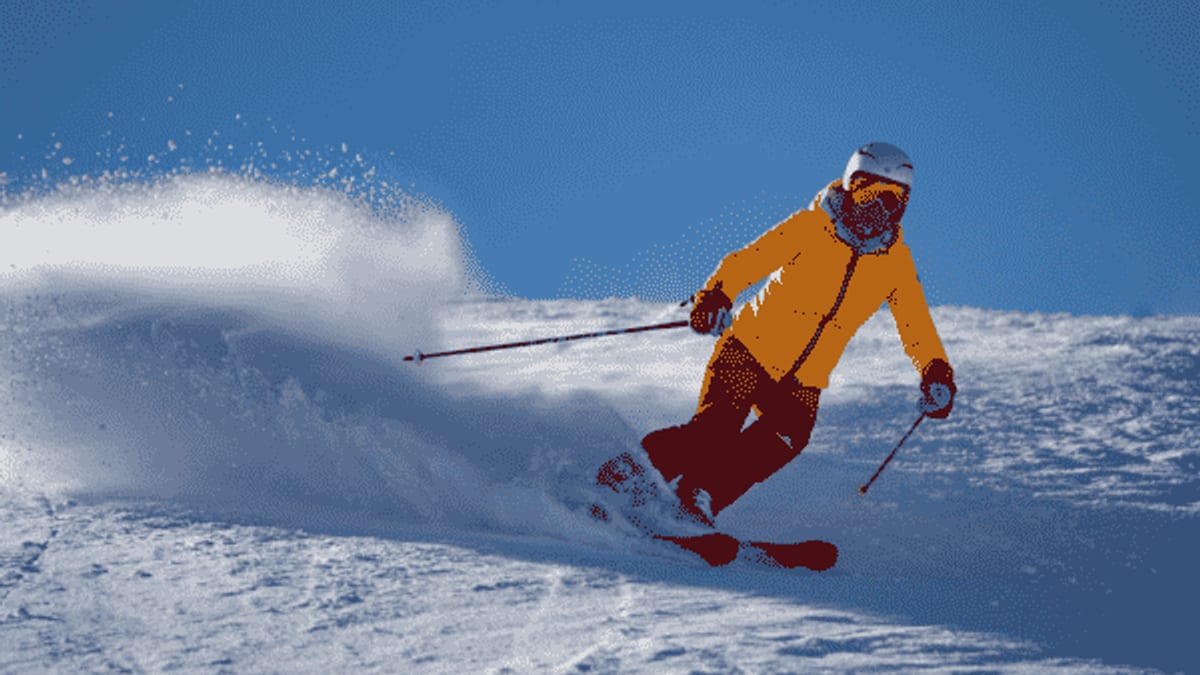
Image by Latest International / Global Travel News, Breaking World Travel News
A Remote Valley Steps Onto the Winter Tourism Map
Once accessible only to the hardiest trekkers and traders, Zanskar is now emerging as one of India’s most distinctive winter destinations. Recent editions of the Zanskar Winter Sports and Tourism Festival have drawn increasing numbers of domestic visitors, with reports indicating that crowds of locals, adventure travelers and culture enthusiasts are converging on villages such as Padum and Atting for multi day programs.
According to publicly available information from Ladakh authorities and regional media, the festival has evolved from a modest sporting event into a broader winter showcase. Activities like snow skiing and traditional archery have been joined by curated cultural performances, local food stalls and craft demonstrations, creating a format that blends adventure tourism with community led experiences.
The festival is part of a larger push to move Ladakh’s tourism calendar beyond its short summer peak. Coverage in Indian outlets indicates that officials in the union territory have identified winter sports as a strategic growth area, citing Zanskar’s steep slopes, deep snowpack and dramatic Himalayan scenery as natural assets that can support a longer and more diversified tourist season.
As infrastructure slowly improves, including winter road connectivity and basic visitor facilities, Zanskar’s name is beginning to appear alongside more established Indian winter destinations. The valley’s relative remoteness, however, continues to shape its appeal, with the festival marketed as an experience for travelers seeking quieter slopes and direct contact with local culture.
Skiing and Snow Adventure in the Heart of the Himalaya
Snow skiing is at the core of the Zanskar winter festival, with recent editions featuring both introductory sessions for beginners and more advanced demonstrations by local instructors. Reports from regional newspapers describe skiers navigating natural slopes around Atting and Padum, where the surrounding peaks form a natural amphitheater of snow and rock.
The Department of Youth Services and Sports in Ladakh has highlighted plans for upgraded ski infrastructure in Zanskar, including the development of dedicated ski slopes and improvements to existing training facilities. Publicly available statements suggest an ambition to eventually host higher level competitions in the valley, building on Ladakh’s growing reputation in winter sports such as ice hockey and alpine skiing.
Beyond skiing, the festival often features ice climbing exhibitions, snow scooter rides, yak and horse riding, and demonstrations by local rescue teams. These activities serve a dual role, both entertaining visitors and showcasing the skills that local residents rely on in a high altitude winter environment where temperatures can fall far below freezing.
For many domestic travelers, the appeal lies in the rarity of such experiences in India. The combination of off piste snow conditions, sparse crowds and stark high altitude light offers a setting that differs sharply from busier ski hubs elsewhere in the Himalaya, while remaining firmly anchored in local Ladakhi traditions.
Yoga on Snow and Mindful Mountain Mornings
In a distinctive twist on conventional ski festivals, Zanskar’s winter celebrations have incorporated yoga and meditation sessions directly into the program. Coverage of recent festivals describes early morning yoga on snow in villages such as Karsha and Atting, with participants practicing under clear winter skies framed by surrounding ridgelines.
These sessions are designed as gentle, accessible introductions rather than intensive retreats, with simple asanas and breathing exercises adapted to subzero temperatures and high altitude. Publicly available information from local organizers highlights the emphasis on mindfulness and acclimatization, positioning yoga as both a wellness offering and a practical tool for visitors adjusting to thin air.
Complementary meditation gatherings, sometimes led by monastic communities from nearby monasteries, add a spiritual dimension rooted in the region’s Buddhist heritage. Reports indicate that such events have taken place during past editions of the festival at sites around Karsha, underscoring how religious and cultural practices are being woven into the tourism narrative without turning sacred spaces into mere attractions.
The fusion of snow sports and yoga reflects wider trends in Indian travel, where wellness, adventure and culture increasingly intersect. In Zanskar, that mix is heightened by the stark winter setting, with sunrise practice sessions offering participants unobstructed views across frozen fields, icy rivers and distant summits.
Local Artistry Takes Center Stage
Alongside skis and yoga mats, the Zanskar winter festival gives prominent space to local artistic traditions. Regional media coverage of recent events describes evenings filled with folk songs, traditional dances and mask performances staged by troupes from across the valley, often in open air venues despite the cold.
These programs highlight the distinctive costumes and jewelry designed to withstand Zanskar’s winter climate, from heavy woolen robes to layered headgear. Publicly available information from Ladakh’s cultural authorities notes that such attire is both functional and symbolic, reflecting centuries of adaptation to high altitude life as well as clan and village identities.
Handicraft stalls have become another anchor of the festival, with women’s self help groups and small entrepreneurs displaying woven carpets, felt boots, carved prayer items and locally produced foodstuffs. According to published coverage, visiting officials have repeatedly emphasized the role of these stalls in connecting tourism revenue directly to households in remote settlements.
For travelers, the result is a festival atmosphere that extends beyond scheduled performances. Market areas and homestays become informal spaces for cultural exchange, where visitors can learn about agricultural cycles, winter livestock care and monastery festivals from residents whose families have lived in the valley for generations.
Balancing Growth, Sustainability and Access
As interest in the Zanskar winter festival grows, discussions in regional media increasingly focus on sustainability and access. The valley’s fragile high altitude ecosystem, limited health infrastructure and long winter isolation raise questions about how many visitors it can comfortably host during the coldest months.
Reports from outlets in Ladakh highlight ongoing efforts to improve basic services such as telecommunications, road maintenance and emergency response, particularly during winter when snow and ice can quickly disrupt travel. At the same time, there is growing attention to responsible tourism messaging, encouraging visitors to respect local customs, minimize waste and travel with appropriate gear.
Accessibility remains a defining factor. While road connections into Zanskar have improved in recent years, winter travel can still be unpredictable, and some visitors may need to factor in buffer days for weather related delays. Advisories from travel forums and local operators commonly recommend that those joining the festival be prepared for basic accommodation standards, intermittent power and water supply, and extreme temperatures.
For the communities of Zanskar, however, the winter festival is increasingly seen in public discourse as a bridge between tradition and opportunity. By centering skiing, yoga and local artistry, the event aims to draw carefully managed visitor numbers while reinforcing a sense of pride in the valley’s culture and landscape at a time of year once associated primarily with isolation.