

More news on this day
London’s fast-growing sleep-focused hotel brand Zedwell is preparing to add a new site in Spitalfields, strengthening its presence in the capital as UK hospitality growth accelerates and investment flows back into city-centre accommodation.
Get the latest news straight to your inbox!
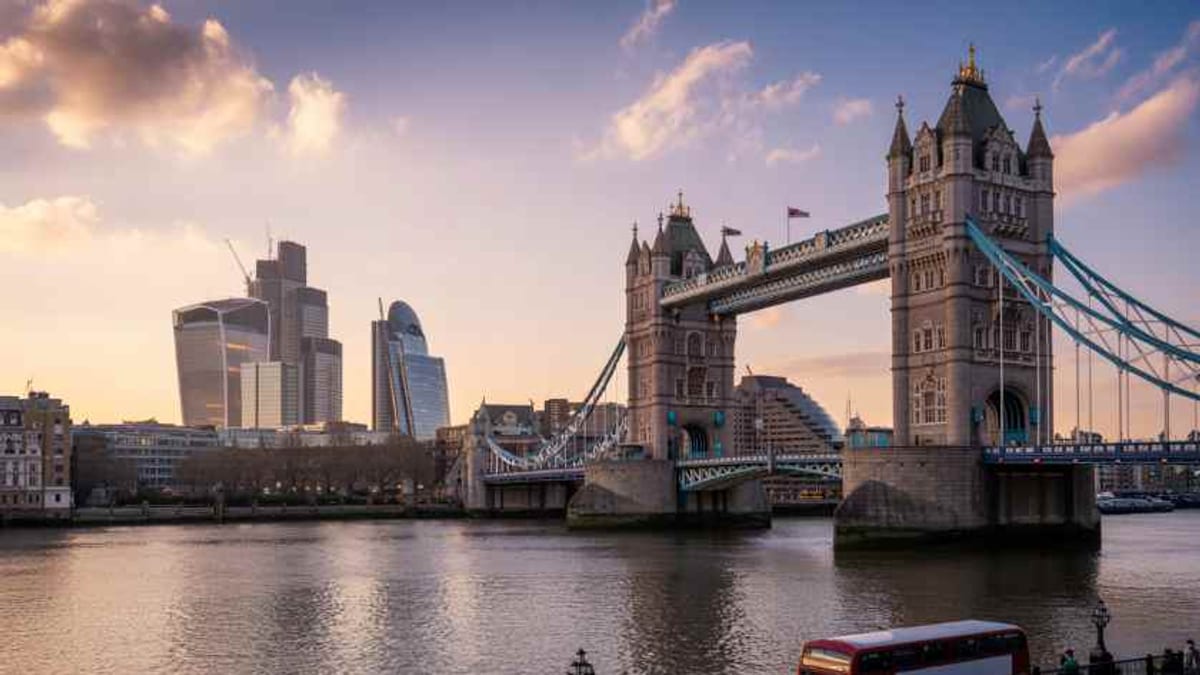
Image by International Hotels News, Hotel Industry & Hospitality News
Spitalfields Launch Extends Zedwell’s London Footprint
The planned Zedwell Spitalfields continues a period of rapid expansion for the brand across London, following recent openings and acquisitions in Knightsbridge, Tower Bridge and other central districts. Publicly available information indicates that the Spitalfields project will follow Zedwell’s conversion-led approach, repurposing existing urban fabric rather than building from the ground up. This mirrors wider market trends in East London, where former commercial buildings are increasingly being repositioned as lifestyle and limited-service hotels.
Located between the City of London’s financial core and the creative quarters of Shoreditch and Brick Lane, Spitalfields has become one of the capital’s most active mixed-use districts. New hotel inventory here is seen as a way to capture both corporate demand from nearby offices and leisure travellers drawn to markets, galleries and night-time venues. Industry observers note that a Zedwell property in this area aligns closely with the brand’s emphasis on high-density, central locations with strong transport connectivity.
The new site is expected to increase Zedwell’s London room count and feed into a national pipeline that already includes projects in York, Manchester and Edinburgh. As the brand moves from a largely West End-focused portfolio toward a more citywide network, Spitalfields stands out as a strategic bridge between traditional tourist zones and fast-growing fringe neighbourhoods.
Sleep-First Concept Meets Post-Pandemic Travel Demand
Zedwell has built its identity around what it describes in published materials as a sleep-optimised environment, prioritising quiet, tech-light “cocoons” over conventional hotel frills. Rooms typically minimise external windows and unnecessary in-room technology, instead emphasising insulation, soundproofing, ambient lighting and air quality. Supporters of the concept argue that this helps the brand stand out in a crowded midscale market where design language is often similar from one property to the next.
Analysts following UK hotel performance note that post-pandemic guests have shown heightened interest in wellness, rest and privacy, even at lower price points. This has created space for concepts that remove visual clutter and focus on perceived essentials such as mattress quality and acoustics. In this context, a Zedwell hotel in Spitalfields is likely to appeal to visitors who want proximity to busy streets, bars and venues but prefer to retreat to a quiet, highly controlled environment at night.
The sleep-first positioning also dovetails with the rising popularity of capsule-style and compact-room accommodation in major gateway cities. With London’s land values remaining elevated and construction costs still under pressure, dense room layouts and simplified amenities are increasingly seen as a pragmatic way to deliver central locations without luxury-level rates.
Conversions Drive Supply Growth in East and Central London
The Zedwell Spitalfields project reflects a broader pattern of hotel development in London, where owners are turning to office, retail and department store conversions to unlock new supply. Recent coverage of the brand’s pipeline highlights schemes such as the transformation of a former department store in Tooting into a 92-room Zedwell and the repurposing of existing office blocks near Tower Bridge and in the West End.
Spitalfields has followed a similar trajectory, with successive waves of regeneration converting warehouses and commercial blocks into residential, co-working and hospitality projects. Industry reports indicate that, across the UK, conversion-led hotel schemes now account for a rising share of new rooms as developers seek quicker delivery and more sustainable outcomes. Reusing existing structures typically shortens planning and construction timelines and can improve a project’s embodied carbon profile compared with full demolition and rebuild.
For operators, this strategy also allows hotels to anchor themselves in well-established neighbourhoods that already benefit from transport links, local employment and a steady base of dining and cultural amenities. A Zedwell hotel steps into this ecosystem by targeting value-conscious guests who might otherwise gravitate toward budget chains or private rentals on the fringes of the centre.
Investment Momentum Underpins UK Hospitality Recovery
The expansion into Spitalfields comes as Zedwell’s parent company, Criterion Capital, secures substantial financing packages aimed at scaling the brand across the UK. Sector reports in the last 18 months describe a series of loan facilities and refinancings that support new hotels in London and regional cities, signalling lender confidence in the long-term outlook for urban travel demand.
More broadly, recent hotel trading reviews for 2025 and early 2026 point to a continued recovery in UK occupancy and average daily rates, particularly in London. International arrivals have been rebounding, while domestic travellers remain active in short-stay and event-driven trips. These dynamics have encouraged owners to press ahead with projects that were delayed during the pandemic, adding new lifestyle, budget and extended-stay offerings to the market.
Spitalfields is viewed as a beneficiary of this upswing, with its seven-day economy driven by office workers, tourists and a busy food and retail scene. A new Zedwell property would add capacity in a submarket that has seen strong weekend and summer demand, potentially relieving pressure on neighbouring areas such as Shoreditch, Liverpool Street and Aldgate.
Competitive Landscape and Implications for Travellers
The arrival of Zedwell in Spitalfields will place the brand in direct competition with a mix of design-led independents, serviced apartments and international chains clustered around Liverpool Street station and the City fringe. As new hotels open across central and east London, observers expect increased rate competition at selected times of the week, particularly outside peak trading periods and major event dates.
For travellers, the expansion broadens the range of price points and stay experiences within walking distance of the Square Mile. Guests drawn to Zedwell Spitalfields are likely to prioritise location, sleep quality and streamlined service over extensive public spaces or full-service restaurant offerings. Meanwhile, nearby properties that emphasise social hubs, rooftop bars or co-working will continue to target different trip purposes and demographics.
Looking ahead, the Spitalfields launch is set to reinforce Zedwell’s position as one of the most closely watched brands in the UK’s affordable urban hotel segment. If performance at this and other new sites proves resilient, industry specialists anticipate further announcements across London’s growth districts and in major regional cities, adding to the momentum currently reshaping the country’s hospitality landscape.