


More news on this day
More than 43 million Americans are embarking on Memorial Day weekend journeys, launching the summer travel season as forecasters warn of severe storms, heavy rain and likely airport delays across key regions of the United States.
Get the latest news straight to your inbox!
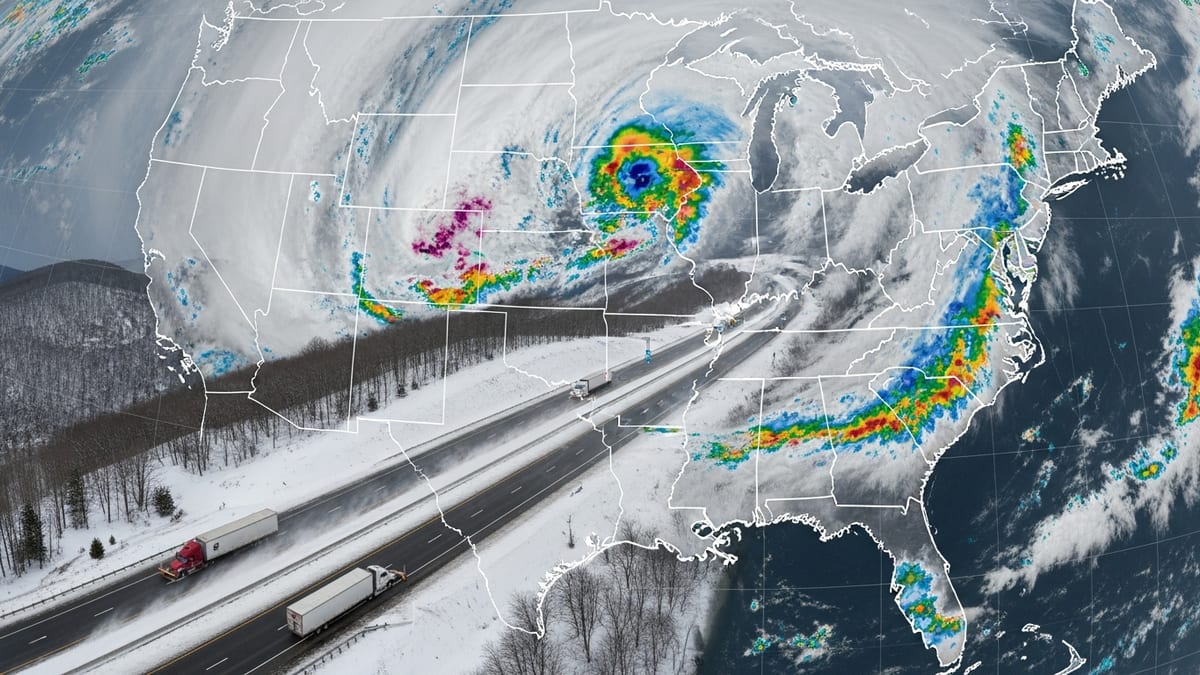
Record Holiday Travel Meets Volatile Spring Weather
Memorial Day remains one of the busiest travel periods of the year, and industry forecasts indicate that 2026 is no exception. AAA projections and related regional breakdowns suggest that nationwide volumes are near or above recent records, with more than 43 million people expected to travel at least 50 miles from home between Thursday and Monday. Much of that surge is concentrated on the roads, but air and rail hubs are also bracing for elevated passenger loads.
National weather outlooks describe a classic late‑May pattern, with warm, humid air feeding clusters of thunderstorms from the Southern Plains through the lower Mississippi Valley and into portions of the Mid‑Atlantic and Northeast. The Weather Channel and other outlets report that the storm threat will be most persistent across the South and East, while much of the West is expected to see comparatively quiet, dry conditions through the long weekend.
Forecasters note that the setup follows an already active spring, with repeated rounds of severe weather in parts of the central United States. That history has left soils saturated in some areas, increasing concern that any slow‑moving storms during the holiday could quickly trigger localized flash flooding, particularly in low‑lying and urban locations.
Travel analysts say the combination of near‑record demand and unsettled weather is likely to translate into slower‑than‑normal journeys on both highways and in the air. Drivers are being urged, through public advisories and media coverage, to add time to itineraries, monitor radar and forecast updates, and avoid the most congested departure windows where possible.
Storm Threats Focus on the South and East
Detailed forecasts from major meteorological services highlight a corridor from Texas and the Gulf Coast through the Tennessee Valley and into the Carolinas as a primary zone for strong to severe thunderstorms at various points over the weekend. In and around Houston, local outlooks call for several inches of rain by Monday, with a risk of street and highway flooding during periods of heavier downpours.
Farther east, national and regional briefings point to repeated storm chances from the lower Mississippi Valley through the Southeast and into portions of the Mid‑Atlantic. While not every location will see severe weather, forecasters caution that any stronger cells could deliver damaging winds, hail and torrential rain, disrupting both road travel and short‑haul flights.
In the Northeast, forecasters expect a more changeable pattern, with stretches of dry, seasonable weather interrupted by frontal passages that could bring showers or thunderstorms. Coastal travel routes and popular beach destinations may see rapidly shifting conditions, with clear skies giving way to clouds and storms within a few hours as boundaries move through.
By contrast, large portions of the western United States are expected to see relatively calm conditions through Memorial Day, with dry skies dominating many popular desert and mountain destinations. That split pattern could make western airports and highways comparatively smoother for travelers, even as the central and eastern states contend with more frequent weather‑related slowdowns.
Airports Brace for Crowds and Disruptions
Air travel demand for the Memorial Day period is running at or above pre‑pandemic levels, according to AAA and aviation industry reports, with millions of passengers expected to pass through major hubs between Thursday and Monday. Carriers have expanded peak‑holiday schedules compared with several years ago, but high load factors leave little slack in the system if storms interfere with operations.
Weather‑driven delays are already appearing in forecasts for some of the nation’s busiest hubs. Thunderstorms along key corridors can trigger ground stops and volume restrictions at large airports such as Atlanta, Dallas–Fort Worth, Houston, Chicago and the New York area, creating ripple effects across the national network. Even short‑lived storm complexes can cause crews and aircraft to fall out of place, leading to cascading delays that last well beyond a single weather event.
Aviation planners and public briefings emphasize that the most challenging times are likely to be Thursday and Friday afternoons and evenings, when departing holiday traffic overlaps with routine business travel. Travelers are being encouraged, in airline and airport advisories, to arrive early, track their flights frequently and prepare for gate or timing changes on short notice.
Some carriers have issued limited weather‑related flexibility in recent severe events this spring, and analysts say similar measures are possible if storm forecasts worsen over specific hubs this weekend. Passengers are being urged to review rebooking options and to consider early‑morning departures, which tend to be less affected by cumulative delays.
Highways Jam as Drivers Seek Summer Getaways
Despite the threat of unsettled weather, the road remains the dominant mode of Memorial Day travel. AAA regional forecasts point to more than 39 million Americans driving to their destinations, a figure that underscores the appeal of beaches, national parks and family gatherings as the unofficial start of summer approaches.
Transportation data firms that collaborate with travel organizations identify Thursday and Friday afternoons as the most congested windows on major urban corridors. In metropolitan areas such as Atlanta, Los Angeles, Chicago, Seattle and Tampa Bay, traffic modeling shows travel times on key interstates rising sharply as commuters and vacationers compete for limited road space.
Heavy rain and thunderstorms expected in parts of Texas, the lower Mississippi Valley and the Southeast could further complicate highway travel. Public guidance from state transportation and emergency management agencies stresses the dangers of driving through flooded roadways and the importance of reducing speed during downpours to avoid hydroplaning and collisions.
In regions forecast to remain mostly dry, such as much of the interior West, the primary concerns are volume‑related congestion and routine construction slowdowns. Even there, planners recommend checking for work zones, scheduling departure times outside peak hours and building in extra stops to reduce fatigue on long drives.
Travel Tips as the Summer Season Kicks Off
With tens of millions of people on the move and storms in the forecast, travel experts and safety campaigns are placing renewed emphasis on preparation. Drivers are being urged, through public information materials, to inspect tires and brakes, secure roof racks and trailers, and keep emergency kits stocked with water, snacks and basic tools in case of unexpected delays or detours.
For air travelers, widely shared advice ahead of the holiday focuses on packing essentials such as medications and a change of clothes in carry‑on bags, in case checked luggage is delayed. Monitoring airline apps and airport messaging is also recommended, as these platforms typically provide the earliest notifications of gate changes, revised departure times or cancellations.
Weather services recommend that travelers across the South and East keep multiple ways to receive severe weather alerts, including smartphone warnings and local broadcast updates. If thunderstorms approach, people on the road are encouraged to seek sturdy shelter and avoid parking or standing under trees or near streams that can rise quickly.
Despite the risks, tourism boards and industry groups note that strong Memorial Day demand reflects robust interest in travel heading into the core summer months. As millions of Americans set out for beaches, mountains and hometown parades, the holiday weekend is shaping up as an early test of how the transportation system can manage near‑record volumes against a backdrop of increasingly volatile spring weather.