

Alabama is experiencing a tourism boom, drawing millions of visitors to its Gulf Coast beaches, civil rights landmarks, vibrant cities, and state parks. With more travelers discovering the state each year, it is easier than ever to make avoidable mistakes that cost time, money, and sometimes safety. Whether you are headed to Birmingham’s food scene, the historic streets of Montgomery and Selma, or the white sands of Gulf Shores, understanding a few local realities will help your trip run smoothly. These are nine Alabama travel mistakes you will want to avoid, and what to do instead.
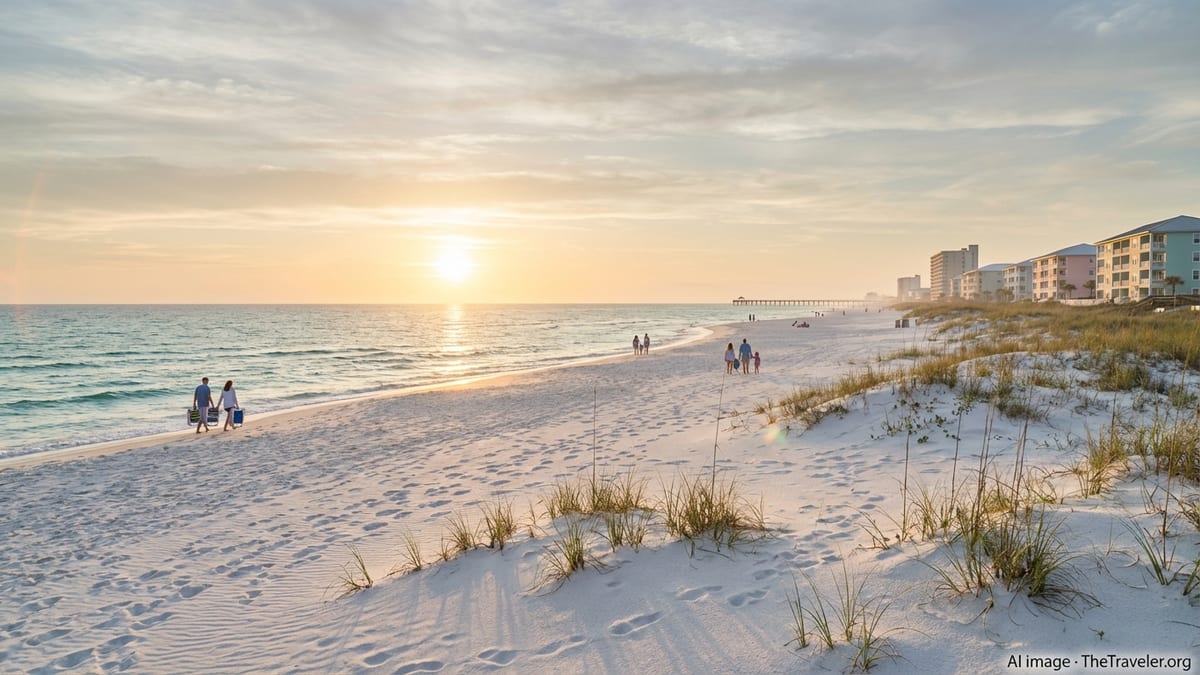
Ignoring Alabama’s Extreme Weather and Storm Seasons
Many visitors picture Alabama as simply hot and humid, without realizing how volatile the weather can be. The state sits in a region known for frequent thunderstorms, tornadoes, and tropical systems that can disrupt travel plans with little notice. Spring is the primary severe weather season across much of Alabama, while a secondary season arrives in late autumn, and the Gulf Coast can be affected by tropical storms or hurricanes during late summer and early fall. Travelers who do not factor these patterns into their plans may be caught off guard by rapid changes in conditions.
A common mistake is failing to check detailed forecasts before long drives, outdoor events, or backcountry excursions. On days with heightened risk, authorities may issue tornado watches or warnings, flash flood alerts, or tropical storm advisories. In practical terms, that can mean road closures, event cancellations, and dangerous driving conditions, especially at night. Visitors unaccustomed to strong Southern thunderstorms may underestimate the risk of high winds, falling trees, and localized flooding.
The best approach is to build flexibility into your itinerary and to treat weather alerts seriously. Local television stations, radio, and the National Weather Service offices in Birmingham, Mobile, and Huntsville provide regular updates. When you hear of a watch or warning, identify a sturdy shelter in advance, avoid elevated roadways and low-lying flood zones, and postpone nonessential travel. On the Gulf Coast, monitor storm outlooks several days before arrival, and consider travel insurance during peak hurricane months.
Even on clear days, heat and humidity can be intense from late spring through early autumn. Hiking in central or northern Alabama, touring historic sites on foot, or spending all day on the beach without enough water or sun protection can quickly lead to heat illness. Plan activities for early morning or evening when possible, take frequent breaks, and remember that a breezy shoreline can still mask dangerous levels of sun exposure.
Underestimating Distances and Driving Times
On a map, Alabama may look compact, but the state is larger than many first-time visitors realize. Travelers often try to squeeze Gulf Shores, Birmingham, Montgomery, Huntsville, and multiple state parks into a long weekend and are surprised by the time spent on the road. For example, driving from Huntsville in the north to Gulf Shores on the coast can easily take six hours or more without significant stops. Add heavy traffic around Mobile or Birmingham, and your day can disappear behind the wheel.
Another mistake is treating Alabama highways like high-speed express lanes. While interstate driving can feel relaxed in rural stretches, speed limits change quickly near cities, small towns, and school zones. Local enforcement can be strict, especially around schools and construction zones where lower limits are clearly posted. Visitors who assume that a gentle flow of traffic allows for higher speeds sometimes end up with expensive fines or license points that follow them home.
Plan your route with realistic travel windows and build in time for rest stops, meals, and unexpected detours. Distances between major attractions such as Birmingham and Montgomery, or Mobile and the Gulf Coast beaches, are manageable in a day, but trying to connect several regions in too short a trip leads to fatigue. Consider focusing on one area at a time, such as a dedicated Gulf Coast beach stay, a civil rights history loop through Montgomery, Selma, and Birmingham, or a nature-focused trip through the state parks of the north.
As you plan, remember that scenic backroads and smaller highways can be rewarding, but they often pass through towns with quickly changing limits and school district zones. Use a navigation app with real-time traffic and speed limit alerts, keep an eye on roadside signs, and avoid driving long unfamiliar routes after dark when wildlife on the road and reduced visibility add more risk.
Overlooking Alabama’s Driving and Phone Laws
Another frequent misstep is assuming that driving rules are identical to those back home. In Alabama, a statewide hands-free law means it is illegal to hold a phone or similar electronic device while driving. Visitors who casually text at traffic lights, cradle a phone during calls, or scroll maps while rolling through town risk fines and license points. Enforcement campaigns are particularly active along busy corridors and near tourist destinations, and officers increasingly treat distracted driving as seriously as speeding.
School zones are another area where travelers get caught out. Speed limits can drop sharply during school arrival and dismissal times, and penalties for violations may be higher than in surrounding areas. Passing a stopped school bus when its stop sign is extended is taken very seriously, and the rules may differ from what you are used to. On undivided roads, oncoming and following traffic must generally stop. Visitors who misunderstand this can face stiff fines and possible license consequences.
It is also easy to forget basic seat belt rules on casual drives between small towns or short hops to the beach. Alabama law requires seat belts for front-seat occupants and many back-seat passengers, and child restraint requirements apply based on age and size. When rental cars are packed with beach gear and multiple families, it can be tempting to squeeze in one more person without a proper seat belt, but this is both unsafe and subject to enforcement if you are stopped.
Before driving in Alabama, review the essentials: observe posted limits, avoid any handheld phone use, and treat school zones and buses with extra caution. Set your navigation and playlists before you shift into drive, and if you must handle your phone, pull into a safe parking area first. A little preparation can help you avoid a traffic stop that cuts into your vacation budget and time.
Misreading Beach Rules on the Gulf Coast
Alabama’s Gulf Coast is one of the main magnets for visitors, with soft white sand and family-friendly resorts around Gulf Shores and Orange Beach. Yet the same beaches that appear relaxed and carefree operate under a detailed set of rules, many of them seasonal. Spring break in particular has prompted local authorities to tighten regulations, with bans on alcohol in obvious containers, limits on tents and canopies, and restrictions on pets, glass, drones, and even digging deep holes that can create hazards for people and wildlife.
One of the most common mistakes is assuming that what is allowed at a private condo or resort area automatically applies to the adjacent public beach. In reality, municipalities may prohibit alcohol on public sand during busy periods, set specific hours for music, or limit where tents and large shade structures can be placed. Violations can result in on-the-spot fines that quickly add up, especially if multiple rules are broken at once. Visitors who skim over posted signage at beach access points sometimes discover the details only after an encounter with law enforcement.
Another area of confusion involves wildlife protections. Sea turtles nest on Alabama beaches from late spring into fall, and marked nests or roped-off sections of sand are common. Touching nests, shining bright lights at night, or leaving chairs and tents that obstruct hatchlings can all trigger enforcement and potential federal penalties. Feeding seagulls, harassing dolphins near tour boats, or chasing shorebirds is also discouraged and in some cases prohibited. Travelers who think of wildlife as part of the entertainment sometimes overlook how sensitive these ecosystems are.
Before heading to the sand, take a moment to read the current beach regulations posted by the city or county at your access point, and ask your hotel or rental host if there are special seasonal rules. Pack reusable water bottles instead of glass, plan to carry out all trash, and avoid flying drones or playing loud music in crowded areas unless you have confirmed that it is permitted. Respecting the rules helps keep the coastline safe, clean, and welcoming for both families and wildlife.
Rushing Through Civil Rights History Sites
Alabama’s role in the United States civil rights movement is profound, and cities such as Montgomery, Birmingham, and Selma attract visitors from around the world. A frequent mistake is trying to see these sites in a single hurried afternoon, treating them as quick photo stops between other attractions. The result is often a superficial understanding of events that shaped the country, and a missed opportunity for more meaningful engagement with local communities.
Key locations such as the Edmund Pettus Bridge in Selma, the churches and parks in Birmingham associated with the civil rights struggle, and museums in Montgomery that address the legacy of slavery and segregation deserve more than a brief walk-through. Many exhibits are dense with personal stories, archival footage, and interpretive materials that take time to absorb. Guided tours, when available, often add vital local context that is easy to miss when moving quickly.
Another misstep is arriving at popular sites without checking opening hours, ticketing procedures, or demand for timed entry. Some museums and memorials now operate with limited hours on certain days or require advance reservations, especially during peak travel seasons and school holidays. Travelers who show up without a plan may face long waits or find that daily visitor capacity has already been reached.
To avoid these disappointments, set aside at least a full day for each major civil rights hub if you can. Build in time to walk surrounding neighborhoods, patronize locally owned restaurants and shops, and reflect on what you have seen. Dress respectfully, especially when visiting active churches or memorial spaces, and be mindful of photography rules. Slowing down allows you to engage with residents, guides, and historians whose lived experience and expertise bring Alabama’s history into sharper focus.
Expecting Only Fried Food and Skipping the Modern Dining Scene
Some visitors still arrive in Alabama expecting nothing but fried seafood baskets and barbecue platters. While those remain staples, this assumption can cause travelers to miss a rapidly evolving food scene, particularly in cities such as Birmingham, Mobile, and Huntsville. In recent years, chefs across the state have blended Southern traditions with global influences, creating restaurants that draw national attention and help fuel Alabama’s growing tourism economy.
Travelers who stick to familiar chain restaurants near highway exits or beach strips may never encounter the region’s farmers markets, chef-driven bistros, or contemporary takes on classic dishes. In doing so, they also miss an opportunity to support local producers, from Gulf shrimpers and oyster harvesters to small-scale farms in the Appalachian foothills. Many of these businesses rely heavily on tourism, and their success helps sustain the communities visitors come to experience.
Another mistake is not planning ahead for reservations in popular dining districts. On weekends, especially during major sporting events or festivals, tables at well-known restaurants can book up early. Beach towns see the same surge during school breaks and summer holidays, when waits can stretch well over an hour. Visitors who assume they can simply walk in may end up settling for less memorable meals or spending more of their evening in line than they anticipated.
To get the most out of Alabama’s culinary landscape, research locally recommended spots in advance and consider dining slightly earlier or later than peak times. Mix in casual favorites, such as classic meat-and-three cafeterias or barbecue stands, with at least one or two restaurants that showcase modern Southern cooking. Exploring beyond tourist-heavy corridors, with an eye for neighborhoods that locals frequent, often yields some of the most rewarding discoveries.
Misjudging Cultural Norms and Local Etiquette
Alabama welcomes millions of visitors each year, yet it remains a place where small-town manners and regional customs carry real weight. Travelers sometimes misread this cultural landscape, either assuming everyone shares the same views or, conversely, stereotyping residents before they arrive. Both approaches can lead to awkward encounters that detract from the trip. Respectful curiosity usually opens more doors than strong assumptions, especially when discussing sensitive topics such as politics, religion, or the legacy of racial injustice.
Dress and behavior expectations also vary by setting. What feels normal at a beachfront bar may be out of place in a historic church, a rural community festival, or a family-owned restaurant. Loud conversations on sensitive subjects, public intoxication, or disrespectful jokes about local culture can draw unwelcome attention and, in some cases, intervention from staff or law enforcement. Visitors who adjust their tone and attire based on context tend to find that people are generous with recommendations and stories.
Another cultural misstep is failing to recognize the importance of private property and posted rules in rural and coastal areas. Fenced fields, hunting lands, industrial waterfronts, and private docks are not open to casual wandering, even if they look scenic. Flying drones over homes, farms, or crowded beaches can feel intrusive to locals, and some areas restrict drone use entirely, particularly near wildlife habitats. Asking permission before photographing people, entering clearly marked private areas, or launching a drone shows respect for both privacy and safety.
In general, a simple combination of courtesy, patience, and awareness goes a long way in Alabama. Greet people when you enter small shops, do not cut in front of queues, and tip service workers according to typical U.S. standards. When in doubt about an unwritten rule, a polite question is usually met with a helpful explanation rather than judgment.
Overpacking Your Itinerary and Skipping Time in Nature
With record tourism numbers and a flood of online lists highlighting “must see” attractions, it is tempting to pack an Alabama itinerary with back-to-back stops. Visitors often focus heavily on big-name sights and underestimate how much of the state’s appeal lies in its quieter natural spaces. From the canyons and waterfalls of the north to longleaf pine forests and rivers in the central region, Alabama rewards travelers who slow down and spend unhurried time outdoors.
One mistake is treating state parks and wildlife areas as quick detours rather than destinations. Some of the best hikes, overlooks, and paddling opportunities require an investment of several hours, along with proper footwear, water, and route planning. Arriving late in the day without supplies or a clear plan can lead to rushed trails, missed viewpoints, or even safety concerns if darkness falls sooner than expected. Wildlife encounters are also more likely in early morning and evening, which you will miss if you only drop in at midday.
Another oversight is ignoring seasonal conditions for outdoor activities. Trails may be muddy or slippery after heavy rains, and summer heat and humidity make midafternoon hikes draining. Swamps and wetlands can have elevated insect activity at certain times of year, while river levels influence the difficulty of paddling routes. Travelers accustomed to drier, cooler climates sometimes underestimate how quickly heat and bugs can sap energy in the Deep South.
Build free space into your schedule for a full day at a favorite park, a leisurely drive along a scenic byway, or a last-minute detour to a lesser-known waterfall or wildlife refuge. Pack a basic day bag with water, snacks, sun protection, and insect repellent, and check park advisories before you go. Allowing room for spontaneity in natural settings often becomes the most memorable part of an Alabama trip.
The Takeaway
Alabama is drawing more visitors than ever, from beachgoers and history enthusiasts to food lovers and outdoor adventurers. With that growth comes a higher chance of missteps, especially for travelers who arrive with outdated assumptions or limited research. Underestimating weather risks, misreading beach rules, rushing through civil rights landmarks, or ignoring local laws and etiquette can all lead to avoidable setbacks.
By planning realistic driving routes, staying alert to forecast and safety information, and approaching local communities with curiosity and respect, you can experience a richer, more relaxed trip. Give yourself the time and flexibility to explore beyond the obvious highlights, and Alabama is likely to reward you with welcoming conversations, powerful stories, and landscapes that surprise you long after you return home.
FAQ
Q1: When is the best time of year to visit Alabama to avoid severe weather?
The most reliable periods for generally calmer conditions are often late winter and mid to late fall, but weather can be changeable year-round, so always check forecasts close to your travel dates.
Q2: Do I really need a car to explore Alabama?
Public transportation is limited outside major cities, so a car is usually the most practical option, especially if you plan to visit beaches, small towns, or state parks.
Q3: Are Alabama’s Gulf Coast beaches family friendly?
Yes, the Gulf Coast is popular with families, especially in Gulf Shores and Orange Beach, which emphasize a clean, safe environment and have many kid-focused attractions and accommodations.
Q4: How strict are Alabama’s hands-free and speeding laws for visitors?
Traffic laws apply equally to residents and visitors. Holding a phone while driving and speeding in school zones or construction areas can lead to immediate fines and license points.
Q5: Is it safe to visit civil rights sites in cities like Birmingham, Montgomery, and Selma?
Yes, key civil rights landmarks are established visitor destinations. As in any city, staying aware of your surroundings and following local advice about neighborhoods and timing is sensible.
Q6: What should I know about alcohol on Alabama beaches?
Rules vary by city and season. Some beaches restrict or ban alcohol on public sand during peak periods, so always read posted regulations and follow local guidance.
Q7: How many days should I plan for an Alabama trip?
A long weekend can cover one region, such as the Gulf Coast or Birmingham and its surroundings. To visit multiple areas without rushing, a week or more is ideal.
Q8: Are there special rules about wildlife and sea turtles on the coast?
Yes, disturbing sea turtles, their nests, or other protected wildlife is illegal and can bring heavy penalties. Keep your distance from marked nests and follow all posted instructions.
Q9: Is it necessary to book attractions and restaurants in advance?
For popular museums, civil rights sites, and well-known restaurants, advance reservations are strongly recommended during weekends, holidays, and school vacation periods.
Q10: What is one mistake first-time visitors to Alabama most often regret?
Many say they tried to cover too much ground in too few days. Focusing on one or two regions and allowing time for unplanned stops usually leads to a more enjoyable experience.