

Visiting Japan for the first time is exciting and, for many travelers, a little overwhelming. Ultra-efficient trains, unfamiliar etiquette, language barriers, and a patchwork of new rules around visas and tax-free shopping can make planning feel complicated. With tourism at record levels and several changes rolling out through 2025 and 2026, a bit of up-to-date preparation goes a long way. These eight essential tips focus on what first-time travelers really need to know right now so you can spend less time worrying about logistics and more time enjoying temples, neon streets, hot springs, and regional food.
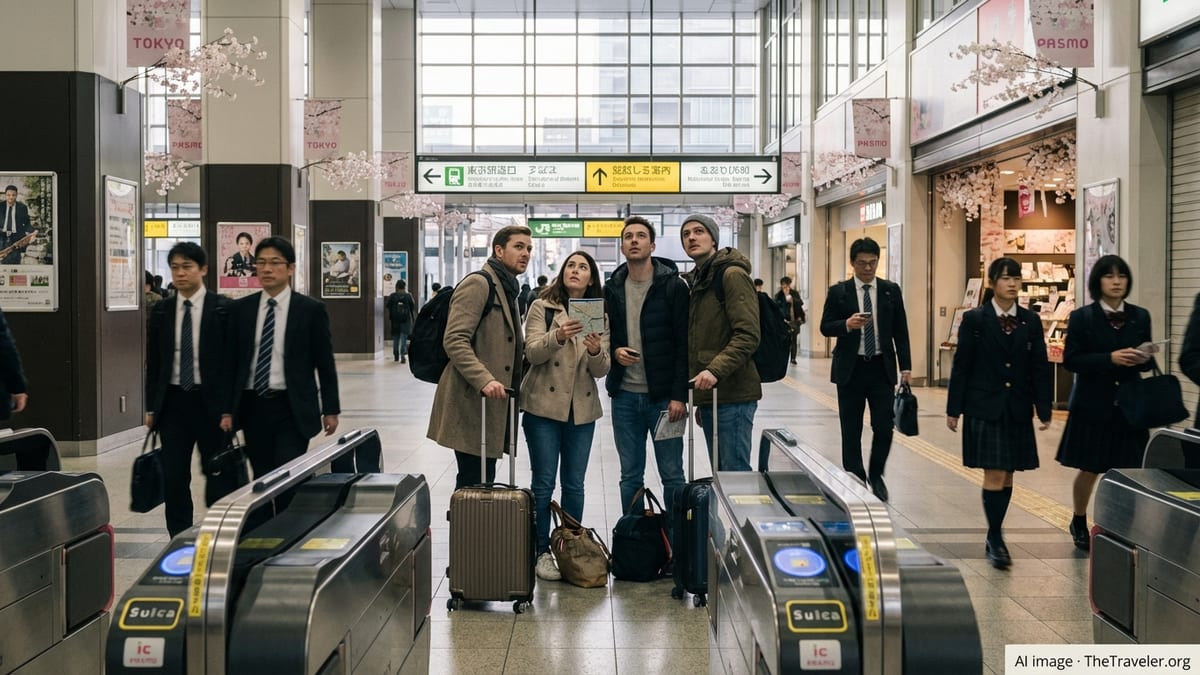
Tip 1: Check Entry Requirements and Visas Early
Before you book flights or hotels, confirm whether you need a visa and what documentation is required. Japan continues to allow short-term visa-free stays for many nationalities, especially from Europe and parts of Asia, but citizens of other countries must apply in advance. Recently, Japan has expanded its electronic visa system, allowing residents of places such as the United States, Canada, the United Kingdom, Australia, Brazil, and several others to apply for short-term tourist visas online. This rollout, which accelerated in 2025, is meant to ease pressure on consulates and shorten processing times. However, eligibility differs by nationality and residence, and rules can change with little notice, so always check the latest information with your local Japanese embassy or consulate before you finalize plans.
Even if you qualify for visa-free entry, you should verify passport validity rules and any remaining health or insurance requirements. Japan has largely moved past temporary pandemic-era restrictions, but authorities may still adjust procedures seasonally or in response to global health issues. Make sure your passport is valid for the entire length of your stay and ideally for at least six additional months. Print or store copies of your return ticket, first-night accommodation details, and travel insurance policy; immigration officers sometimes ask for proof of onward travel and sufficient funds. Planning these details in advance reduces stress after a long flight and helps you move through arrival procedures more smoothly.
Japan also uses digital arrival systems at major airports to speed up immigration and customs. You may be able to pre-register arrival information online and scan a QR code at automated gates on arrival. While lines can still be long at peak times, travelers who have completed pre-arrival forms often move faster. For your first trip, build in extra time on arrival day in case queues are longer than expected, especially during cherry blossom and autumn foliage seasons when visitor numbers peak.
Tip 2: Master Public Transport and IC Cards
Japan’s rail and subway systems are among the most efficient in the world, but for a first-time visitor the maze of lines, operators, and ticket machines can be confusing. The good news is that using trains and buses is now easier again for travelers. After a long period of disruption caused by a global semiconductor shortage, Japan resumed broader sales of Suica and Pasmo rechargeable transport cards in 2025. Unregistered cards, which are popular with tourists because they do not require personal details, are once again available from many ticket machines and counters in Tokyo and other major areas. These IC cards allow you to tap in and out of most trains, subways, and buses while automatically deducting the correct fare, which is far simpler than buying single tickets for every ride.
Mobile options have also improved. A dedicated Welcome Suica mobile app began rolling out in 2025, allowing many visitors to add a Suica card to an iPhone or Apple Watch before they even land in Japan. Once set up, you can top up via your digital wallet and pass through ticket gates by simply tapping your device. Mobile IC cards are now accepted on almost all urban lines and an increasing number of regional routes. For Android users, availability is more limited and sometimes linked to device region settings, so a physical card can still be the safer choice. Keep in mind that there are exceptions in some rural areas and specific prefectures where nationwide IC cards are being phased out of local systems, so always check signage and be prepared with cash for local buses outside the main cities.
For long-distance journeys, such as Tokyo to Kyoto or Osaka, reserved tickets on the Shinkansen bullet train are still recommended, particularly during busy periods. Japan Rail Pass options have changed pricing in recent years, and whether they are good value now depends heavily on your route. Many first-time visitors are better off buying individual Shinkansen tickets instead of a nationwide pass, especially if they are focusing on one region. You can often book tickets online or at “Midori no Madoguchi” ticket offices once you arrive. To avoid confusion, use station information counters, which usually have English-speaking staff, and allow extra time to find your platform in major hubs like Tokyo, Shinjuku, or Osaka.
When using trains and subways, remember that etiquette is an important part of daily life. Stand on the correct side of escalators as indicated locally, queue in marked lines on platforms, and keep your voice low on trains. Some carriages are designated as women-only during peak times, and priority seats are reserved for elderly passengers, pregnant people, and those with disabilities. Even if the train is crowded, respect these spaces. Following these small rules not only keeps you from causing offense but also helps you blend more comfortably into local routines.
Tip 3: Understand Money, Cards, and Tax-Free Shopping
Japan is no longer the cash-only country it once was, but cash still matters in more places than many first-time visitors expect. Major hotels, department stores, and chain restaurants widely accept international credit cards, and contactless payments are increasingly common. However, small izakaya pubs, rural guesthouses, family-run shops, and some shrines or temples may only take cash. ATMs that accept foreign cards are easy to find in convenience stores such as 7-Eleven, Lawson, and FamilyMart, and usually offer English instructions. Aim to carry a modest amount of yen for daily expenses, while using cards for larger purchases where possible.
IC cards such as Suica and Pasmo can function as a handy bridge between cash and cards. You top them up with cash or, when supported, with a credit card, then tap to pay for transit, vending machines, lockers, and many convenience stores or fast-food chains. This reduces the need to fumble with coins, which accumulate quickly in a country where tax-inclusive prices often end in small denominations. Just keep an eye on your remaining balance and top up at station machines before it runs low. If you have a physical card with a deposit, you can usually get part of it refunded at the issuing operator’s stations when you leave, though small handling fees may apply and rules differ by region.
Tax-free shopping has undergone some of the most significant changes for travelers. Previously, visitors could have consumption tax removed at the point of sale for qualifying purchases by showing their passport. From late 2024 and into 2025, Japan began shifting to a refund-style system, where you pay tax at checkout and claim it back later at departure after customs verifies your purchases. At the same time, authorities started simplifying categories and dropping some purchase caps to make the system more straightforward for both shoppers and staff. In practice, this means that you should always keep original receipts and be ready to show both purchases and documentation at the airport. Since implementation details can differ between stores and may continue to evolve, ask staff to explain how their tax-free process works before you buy.
Tipping remains another frequent source of confusion. In most of Japan, tipping is not expected and can even be awkward or misunderstood. Service charges are sometimes added to bills at high-end restaurants and hotels, but leaving extra cash on the table is unusual. Some tourist-heavy businesses have begun placing tip jars near cash registers, reflecting ongoing debate inside Japan over whether to adapt to foreign habits. For first-time travelers, the safest rule is to follow local custom: do not feel pressured to tip unless a situation is clearly set up for it, such as an optional box in an international-style venue. Exceptional hospitality at traditional inns is sometimes acknowledged with a small gift or envelope, but this is not expected from casual visitors. A sincere thank you in Japanese will be appreciated just as much.
Tip 4: Learn Key Etiquette and On-the-Ground Manners
Japanese social norms can feel intricate, but you do not need to master every detail to be respectful. Focus on a few core habits and you will already be ahead of many visitors. Start by being mindful of volume. Trains, buses, and residential streets are generally quieter than in many other countries. Avoid speaking loudly on public transport, and set your phone to silent or vibrate. Taking calls on trains is discouraged; if you must, keep it brief and hushed, or wait until you are on the platform. In crowded spaces like department store food halls or shrines during festivals, move with the flow and avoid stopping abruptly in doorways or at the top of escalators.
When visiting temples and shrines, follow posted instructions and observe what others do. At Shinto shrines, it is common to bow slightly at the torii gate, cleanse your hands and mouth lightly at the water basin, and offer a small coin at the main hall before bowing and clapping. Photography may be restricted in certain inner areas or during ceremonies, so check for signs and be discreet. In Buddhist temples, dress modestly, speak quietly, and respect any areas that are off-limits or require you to remove your shoes. Removing shoes when entering certain buildings, restaurants, and traditional inns is a standard practice in Japan. If you see a raised floor, a “no shoes” sign, or a row of slippers, you should take off your shoes and step up in socks or provided slippers.
Restaurant etiquette can also differ from what you may be used to. At casual venues, you might be asked to order and pay at the counter or via ticket machines at the entrance, especially at ramen shops. At izakaya, you may be served a small appetizer called an otoshi, which functions like a cover charge and will appear on your bill. Slurping noodles is acceptable and even encouraged, as it is seen as a sign that you are enjoying your meal. Using chopsticks is standard, and while no one will expect perfection, there are a few gestures to avoid: do not stick chopsticks upright in a bowl of rice, pass food chopstick-to-chopstick, or use them to point at people.
On the street, remember that Japan has strict waste-sorting rules and relatively few public trash cans. Many people carry a small bag for their rubbish until they find a bin at a convenience store, station, or their accommodation. Eating while walking is generally discouraged in busy urban areas, though it may be acceptable at festivals, food markets, or near stalls where you bought the food. If you are unsure, look around: if locals are standing nearby to eat or drink, that is a good sign to follow. A little patience and observation go a long way; if you are ever confused, a polite question and a smile will usually be met with understanding.
Tip 5: Stay Connected and Navigate the Language Barrier
Reliable internet access can make the difference between a stressful and a smooth first trip. Free public Wi-Fi has improved in recent years, especially at major train stations, convenience stores, and fast-food chains, but coverage can still be patchy and log-in procedures cumbersome. Most travelers will find it easier to rent a pocket Wi-Fi router at the airport or purchase a local eSIM or SIM card. Advance online reservations are often cheaper and ensure availability during peak seasons. Having your own connection means that you can use navigation apps, translation tools, and digital tickets with confidence, even when you are out of range of hotel Wi-Fi.
Language can feel like a hurdle, but it is more manageable than many visitors expect. In big cities and tourist hubs, you will find English signage in most train stations, major attractions, and many restaurants. Hotel staff in urban areas are often comfortable communicating in English, and younger people are more likely to have studied it. That said, outside major cities and in local eateries, English may be limited. Download offline translation data for your preferred app and learn a few simple Japanese phrases such as “sumimasen” (excuse me), “arigato gozaimasu” (thank you), and “onegaishimasu” (please). Attempting a few words in Japanese is appreciated, even if your pronunciation is not perfect.
Useful apps now blend maps, train timetables, and route planning across different rail companies. Many offer English interfaces and real-time delay notifications, which are handy during typhoon season or major events. When copying place names, keep in mind that some locations have multiple English spellings or share names with different stations, so double-check that you are heading to the correct one. Screenshots of hotel addresses in both Japanese and English can be extremely helpful when showing a taxi driver or asking someone for directions. It is also wise to save a few key locations offline in case your connection drops.
Despite technological tools, do not underestimate the value of simple communication. People in Japan are often very willing to help visitors, even if they do not speak much English. Politeness and patience matter more than perfect grammar. Use gestures, point to maps, and write numbers if needed. If you get stuck, try asking staff at convenience stores or station information counters; they are accustomed to helping lost travelers and often have multilingual resources at hand.
Tip 6: Choose the Right Time and Place for Your First Trip
Japan is a year-round destination, but timing your first visit can greatly influence your experience. Spring, particularly late March to early April in central Japan, is famous for cherry blossoms, and autumn from late October to mid-November brings spectacular foliage. These periods offer beautiful scenery and pleasant temperatures, but they are also crowded and more expensive. Hotels book up quickly in popular cities like Tokyo, Kyoto, and Osaka, and trains can feel especially busy during weekends and national holidays. If you decide to travel during peak seasons, secure accommodation and long-distance train reservations well in advance, and expect major sites to be busy from mid-morning onward.
For a more relaxed first trip, consider shoulder seasons such as late May to early June (before the main summer holidays) or late November into early December (after the foliage peak but before the New Year rush). Winter brings its own rewards, especially in northern regions and mountainous areas where ski resorts and hot spring towns are popular. However, heavy snow can disrupt transport and requires appropriate clothing. Summer in much of Japan is hot and humid, with a rainy season and a later period of high heat followed by typhoon risks. If you visit then, plan for air-conditioned breaks, stay hydrated, and keep flexible margins in your itinerary in case of weather-related delays.
Geography also matters. Many first-time visitors focus solely on Tokyo and Kyoto, but adding a third base can make your trip more balanced. Osaka offers a lively food scene and easy access to Nara and Kobe. Hiroshima pairs powerful history with nearby Miyajima Island. Kanazawa and Takayama showcase traditional neighborhoods with fewer crowds than Kyoto at peak times, while Sapporo and Fukuoka provide gateways to Hokkaido and Kyushu. Think about what you enjoy most: food, art, nature, history, or pop culture. Then choose a combination of destinations that match those interests rather than trying to cover the entire country in one visit.
Whatever season and itinerary you choose, build breathing room into your schedule. It is tempting to plan three or four neighborhoods per day in Tokyo or to squeeze multiple day trips around Kyoto, but travel times, crowds, and the simple desire to linger can quickly derail tight timetables. Aim for one major sight and one secondary activity per half day, with time for unplanned discoveries. Japan rewards slow exploration, whether that is wandering a side street, lingering at a neighborhood shrine, or people-watching in a quiet coffee shop.
Tip 7: Pack Smart and Prepare for Safety and Comfort
Japan is widely regarded as one of the safer countries for travelers, with low levels of violent crime and a strong culture of returning lost items. That said, basic precautions remain important. Keep passports, cash, and cards in a secure place, and store digital copies of your documents in the cloud. Use hotel safes where provided, but carry a backup card and some cash separately in case your main wallet is misplaced. Pickpocketing is relatively uncommon compared with many other destinations, but very crowded areas, festivals, and nightlife districts still warrant attention to your belongings.
Japan is prone to natural events such as earthquakes, typhoons, and occasionally heavy snowfalls. Buildings and infrastructure are generally well prepared, and emergency drills are a normal part of life, but visitors should still know the basics. If you experience an earthquake, stay calm, move away from shelves or glass, and follow staff instructions. Many smartphones receive emergency alerts from local authorities. During typhoon season, monitor weather updates, expect possible train disruptions, and avoid planning critical long-distance travel on the days when storms are expected to make landfall. Travel insurance that covers delays and cancellations is strongly recommended.
Packing thoughtfully will make day-to-day movement much easier. Japanese cities involve more walking than many visitors anticipate, and stations often have long staircases and corridors, even when elevators are available. Bring comfortable, broken-in shoes and consider packing lighter so that you can carry your own luggage across platforms and through narrow streets. A small foldable bag is useful for separating recyclables, holding purchases, or carrying a change of clothes to an onsen or public bath. Since you will frequently remove your shoes indoors, slip-on footwear and clean socks are practical choices.
Medication and personal care items deserve special attention. Common medicines like pain relievers and cold remedies are available in Japan, but brand names and formulations differ, and package instructions are usually only in Japanese. Travelers with specific medical needs should bring enough of their regular prescriptions for the entire trip, along with a copy of their prescription or a doctor’s note. Some medications that are over-the-counter in other countries may be regulated in Japan, so check rules in advance if you rely on certain allergy, ADHD, or cold medicines. Basic items such as contact lenses and toiletries are easy to replace in urban areas, but it is still more convenient to bring what you know works for you.
Tip 8: Plan Realistic Budgets and Bookings
The cost of traveling in Japan can vary widely depending on your style, but first-time visitors often underestimate both the potential expenses and the ways to manage them. Accommodation ranges from budget hostels and business hotels to luxury ryokan inns with elaborate meals. Prices are typically higher in Tokyo, Kyoto, and during major events such as the Osaka World Expo period. Booking early usually secures better rates and more choice, especially if you want specific neighborhoods or traditional-style stays. Consider mixing accommodation types: a few nights in a business hotel near a major station for convenience, plus one or two nights in a ryokan or onsen town for a special experience.
Transport is another key cost. Intercity train tickets, especially on the Shinkansen, add up quickly if you are crossing the country multiple times. Instead of assuming a nationwide rail pass is essential, build a draft itinerary and price out individual tickets on the routes you are actually likely to take. In many cases, a regional pass or a simple mix of regular tickets and IC card journeys is more economical. Within cities, daily subway passes may or may not save money depending on how often you ride, so compare the pass price with a realistic number of trips. Walking and strategic use of buses can help keep costs reasonable while also revealing parts of the city you might miss from underground trains.
Food is one area where Japan can be both budget-friendly and indulgent. Convenience stores and chain restaurants offer surprisingly high quality at modest prices, while department store basement food halls showcase beautiful prepared dishes and sweets. Save splurges for a few memorable meals, such as sushi, kaiseki, or wagyu beef, and keep the rest of your dining simple. Many small restaurants do not take reservations, but high-end places often require them well in advance, sometimes through hotel concierges or specialized booking services. For a first trip, mixing spontaneous finds with one or two reserved experiences keeps your schedule flexible while ensuring you have at least a couple of standout meals.
Finally, plan how you will manage bookings and confirmations. Keep digital copies of hotel reservations, train tickets, and attraction bookings in a single folder or app that works offline. Screenshots are reliable even when email access is slow. Sharing your itinerary with a trusted friend or family member back home provides extra peace of mind. Japan’s tourism infrastructure is designed to handle large numbers of visitors, but crowds and occasional system changes mean that flexibility, organization, and a bit of extra time at each step remain your best tools.
The Takeaway
Japan rewards curious, considerate travelers. For a first-time visitor, the combination of efficient transport, deep traditions, and cutting-edge technology can be both exhilarating and intimidating. By understanding the basics of visas and entry, learning how to navigate trains and IC cards, preparing for mixed cash and card payments, and adopting a few simple etiquette habits, you dramatically reduce stress and cultural friction. Add reliable connectivity, thoughtful timing, practical packing, and realistic budgeting, and your focus can shift from logistics to discovery.
No guide can cover every scenario, and conditions continue to evolve as Japan refines its systems for a growing number of international visitors. Treat this trip as an introduction, not a checklist to be completed. Leave space for detours, quiet moments, and unexpected conversations. With preparation and an open attitude, your first journey to Japan can be not only smooth and safe but also deeply memorable, setting the stage for many return visits.
FAQ
Q1. Do I need a visa to visit Japan as a tourist?
Requirements depend on your nationality and residence. Many travelers from Europe and parts of Asia enter visa-free for short stays, while others must apply, often now via Japan’s expanding e-visa system. Always confirm current rules with your local Japanese embassy or consulate before booking.
Q2. Are Suica and Pasmo IC cards available again for tourists?
Yes. After a period of limited sales due to a chip shortage, Suica and Pasmo cards have returned to wider circulation, including unregistered versions sold at many ticket machines and counters. Mobile IC options are also increasingly common, especially for iPhone users.
Q3. Is Japan still a mostly cash-only society?
Japan is increasingly card-friendly, especially in cities, hotels, and large shops, but cash remains important at small restaurants, local markets, rural areas, and some shrines or temples. Plan to carry some yen and use cards where they are clearly accepted.
Q4. Should I tip in restaurants and taxis?
In general, no. Tipping is not expected and can feel awkward. Some tourist-focused places may offer tip jars or digital tipping options, but most Japanese service staff do not expect gratuities. A polite thank you is sufficient in almost all situations.
Q5. When is the best time of year for a first trip to Japan?
Spring and autumn offer the most comfortable weather and famous scenery, but they are also crowded and more expensive. Shoulder seasons such as late spring or late autumn can provide a good balance between pleasant conditions and more manageable crowds.
Q6. How useful is English in Japan?
English signage is common in big cities, major stations, and tourist sites, and many hotel staff can communicate in English. Outside these areas, English may be limited, so translation apps and a few basic Japanese phrases are very helpful.
Q7. Is Japan safe for solo travelers?
Yes. Japan is widely considered very safe for solo travelers, including solo women. Normal common-sense precautions still apply, especially in nightlife districts and very crowded areas, but crime rates affecting tourists are generally low.
Q8. Do I need travel insurance for Japan?
While not always legally required, comprehensive travel insurance is strongly recommended. It can help cover medical costs, trip cancellations, delays due to weather, and lost or stolen belongings, all of which provide valuable peace of mind.
Q9. How far in advance should I book trains and accommodation?
For peak seasons and popular cities, aim to book accommodation several months in advance. Shinkansen tickets can often be purchased closer to travel dates, but reserved seats around major holidays and weekends may sell out, so booking earlier is wise.
Q10. Can I drink tap water in Japan?
Yes. Tap water in Japan is generally safe to drink, and many locals do so daily. Carrying a reusable bottle that you can refill reduces plastic waste and ensures you stay hydrated while sightseeing.