

More news on this day
High-capacity A380 operations by Korean Air and Asiana Airlines between South Korea and Japan are emerging as a powerful catalyst for the region’s tourism rebound, with new capacity aligning with a surge in cross-border travel and soaring hotel bookings in key gateway cities.
Get the latest news straight to your inbox!
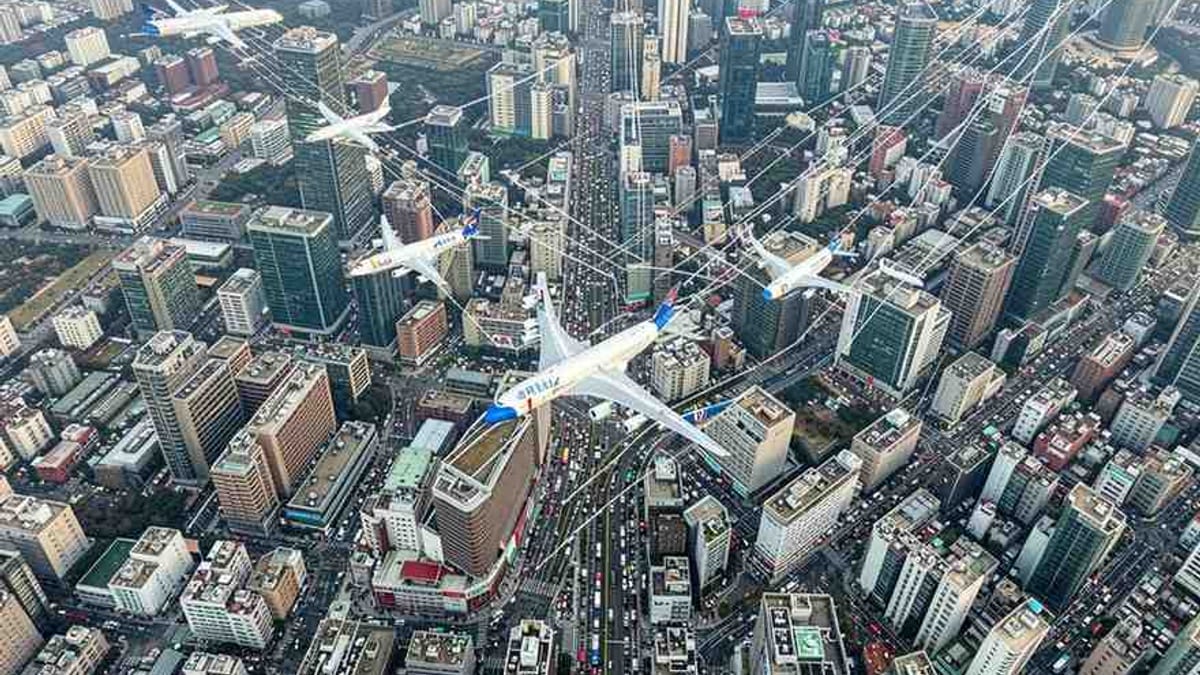
Megajets Return as Korea–Japan Travel Demand Climbs
Publicly available airline schedule data and industry analysis indicate that Korean Air and Asiana Airlines have been selectively redeploying Airbus A380s on high-density routes, including services linking Seoul Incheon with major Northeast Asian hubs such as Tokyo Narita. While A380s were once viewed as a sunset fleet type, the renewed use of the double-decker aircraft is being driven by strong regional demand and constrained airport slots.
Capacity between South Korea and Japan has been rising steadily as travel recovers. Market analysis of late 2025 and early 2026 schedules shows Korean Air, now integrating Asiana under a single group structure, expanding its Japan network to dozens of routes and more than one hundred daily flights, positioning the airline group as the dominant player on Korea–Japan corridors. This puts additional pressure on infrastructure in both countries but offers travelers more seats and better connectivity.
Fleet outlook reports also highlight that Korean Air is balancing the gradual phaseout of older widebodies with the short-term need for very large aircraft in peak seasons. A380s, alongside 747-8s, are being retained longer than originally planned to cover demand spikes while newer, more efficient widebodies such as the A350 and 787 ramp up across the combined Korean Air–Asiana fleet.
Asiana’s integration into Korean Air is further concentrating capacity on trunk routes. Industry briefings describe a unified network strategy in which overlapping Korea–Japan services are being consolidated and upgauged, with widebodies including the A380 deployed where premium and leisure demand are both strongest.
Tourism Boom Drives Hotel Bookings in Seoul, Busan and Tokyo
Tourism statistics released in recent months show a sharp rise in two-way travel between South Korea and Japan, supported by visa facilitation, favorable flight timings and the appeal of short-haul city breaks. Seoul and Busan on the Korean side, and Tokyo, Osaka and Fukuoka in Japan, are among the main beneficiaries of this resurgence in regional mobility.
Travel and tourism outlets report that inbound visitor counts to South Korea from Japan and other nearby markets have climbed to or above pre-pandemic levels as of early 2026, with Korean flag carriers playing a central role in feeding demand through Incheon and regional airports. At the same time, Japan continues to attract large numbers of Korean outbound travelers, sustaining high load factors on both Korean Air and Asiana services.
Hotel market data cited in industry coverage points to double-digit growth in bookings in core urban districts close to major airports and rail hubs. In Seoul, properties near Myeongdong, Gangnam and Incheon’s transit links are reporting strong advance bookings tied to flight arrival banks from Japan. In Tokyo, accommodation near Narita and Haneda access points, as well as central areas such as Shinjuku and Shibuya, is seeing elevated demand from Korean visitors taking advantage of increased capacity and competitive fares.
Analysts note that the rebound is spilling over into secondary cities. Busan and Fukuoka, historically popular for short ferry trips, are now also benefitting from stronger air links and aggressive promotional campaigns targeting weekend and short-stay travelers, with hotel operators adjusting pricing strategies to capture the upswing in demand.
Network Integration After Merger Reshapes Northeast Asian Skies
The merger of Korean Air and Asiana Airlines, formally cleared by key competition authorities and progressing toward full brand integration by the end of 2026, is reshaping the competitive landscape on Korea–Japan routes. Aviation market analysis published in late 2025 shows the combined group controlling a large majority of domestic capacity in South Korea and a powerful share of short-haul international traffic, including services to Japan.
According to industry reports, the merged carrier group plans to expand the number of Japan routes while rationalizing overlapping frequencies. This involves consolidating operations at Seoul Incheon and, to a lesser extent, Gimpo and Busan’s Gimhae, and then upgauging selected frequencies with larger aircraft. The A380 plays a key, if transitional, role in this strategy by allowing the group to add seats on constrained routes without significantly increasing the number of slots.
Published fleet plans suggest that, over the medium term, A380s will gradually be replaced by more efficient twin-engine widebodies. However, while fleet renewal gathers pace, the double-decker remains an important tool for meeting surging travel demand, particularly on Japan services where passenger numbers are rebounding more quickly than on some long-haul markets.
For airports in both countries, the concentration of capacity within a single airline group brings both opportunities and challenges. On one hand, stronger connecting banks through Incheon can attract transit traffic linking Japan to North America and Europe. On the other, regulators and consumer advocates are closely watching pricing and service levels on routes where competition has diminished following the merger.
Economic Ripple Effects for Local Tourism Industries
The increased deployment of high-capacity aircraft between South Korea and Japan is having visible knock-on effects across the wider tourism ecosystem. Travel and hospitality analysts point to rising occupancy rates, higher average daily room rates and growing ancillary spending by visitors in both countries.
In South Korea, the tourism uplift coincides with broader cultural drivers, including large-scale concerts and festivals that attract regional visitors. Recent coverage by Asian business and culture publications notes that major events in Seoul can trigger pronounced spikes in hotel bookings by foreign visitors, reinforcing air carriers’ decisions to maintain ample capacity on key regional routes.
Japanese destinations are seeing similar benefits from Korean travelers drawn to food, shopping and seasonal attractions such as cherry blossoms and autumn foliage. Local tourism boards are actively promoting package deals that bundle A380 flights operated by Korean carriers with hotel stays, rail passes and attraction tickets, aiming to capture higher-spending visitors and lengthen average stays.
Retail and dining sectors in airport-adjacent districts are also profiting from the traffic surge. Anecdotal reports from commercial property and retail analysts highlight increased footfall in duty-free zones, premium shopping complexes and entertainment districts that cater to short-haul visitors with limited time but relatively high discretionary budgets.
Outlook: Can Capacity Keep Pace With Demand?
Aviation forecasters caution that, while the current boom is positive for airlines and tourism operators, there are questions about how long A380 operations on regional routes between South Korea and Japan will remain sustainable. Operating costs for very large aircraft are higher than for newer twin-engine widebodies, and carriers are under pressure to balance capacity needs with environmental and financial considerations.
Fleet strategy reports indicate that Korean Air intends to gradually retire its remaining A380s from around 2026 onward, replacing them with more efficient models as additional aircraft are delivered. Asiana’s fleet is being aligned with this plan as part of the post-merger integration, suggesting that current A380 deployments may represent a peak phase rather than a permanent fixture on Korea–Japan routes.
For now, tourism stakeholders on both sides of the Korea Strait are focused on capitalizing on the surge. Hotel developers, destination marketers and local governments are monitoring occupancy data and visitor spending patterns to decide where to allocate future investment. If demand remains robust even after A380s are phased out, the capacity gap is likely to be filled by denser schedules and next-generation widebodies rather than by ultra-large aircraft.
Travelers, meanwhile, are benefiting from a rare combination of plentiful seats, competitive fares and the novelty of flying one of the world’s largest passenger jets on relatively short regional hops. How long that window remains open will depend on the interplay between fleet renewal, regulatory oversight and the staying power of the current Korea–Japan tourism boom.