


More news on this day
A Danube river cruise holiday turned into an abrupt hotel stay for 146 passengers in Budapest after a serious air conditioning breakdown left their ship stiflingly hot during a brutal European heat wave.
Get the latest news straight to your inbox!
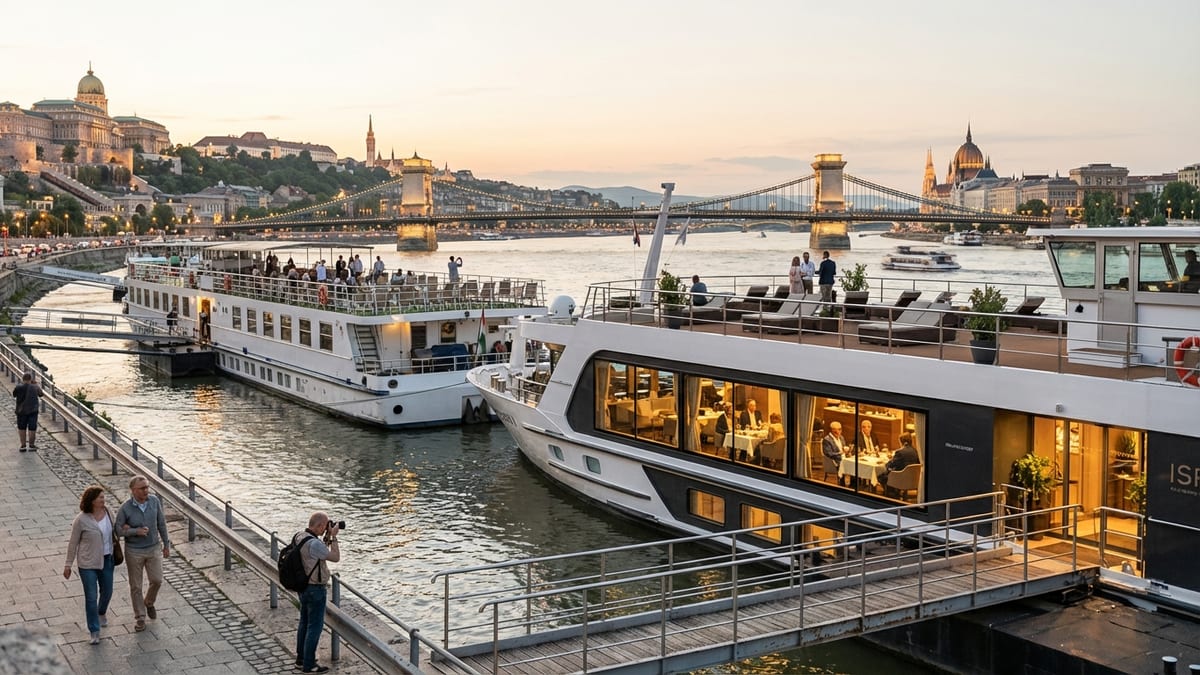
Cruise Cancelled Hours After Boarding
According to published coverage from cruise industry outlets, the incident unfolded on the river ship TUI Skyla, which was scheduled to operate a seven-night “East Danube Delights” itinerary from Budapest. Passengers had flown in expecting a week-long voyage through Central and Eastern Europe, but within hours of boarding, the cruise was called off.
Reports indicate that guests were initially informed of a technical issue with the vessel’s air conditioning system, with onboard announcements suggesting that technicians were working to fix the problem. With outside temperatures reported around 39 degrees Celsius, roughly 102 degrees Fahrenheit, the interior quickly became uncomfortably warm.
Despite the heat, passengers were allowed to check into their cabins and in some cases fully unpack before the decision was reversed. By late afternoon, guests were instructed to gather their belongings, disembark, and transfer to hotels in Budapest while the operator assessed the situation.
The sailing was formally cancelled later that day, cutting short holidays before the ship ever left the dock and leaving travelers to arrange flights back home under the revised plans set out by the cruise company.
“Like a Sweat Box” in Record European Heat
Accounts shared by affected guests on social media paint a picture of stifling onboard conditions as the air conditioning struggled against the region’s extreme temperatures. One widely cited comment described the ship as feeling “like a sweat box,” a phrase that has since been echoed in multiple media reports about the incident.
Publicly available information from passenger posts suggests that both public areas and cabins were affected, with some travelers reportedly retreating to outer decks or spending as little time on board as possible before being moved ashore. The combination of crowded interior spaces, sealed windows, and stagnant air created conditions that many guests considered unsafe as well as uncomfortable.
Cruise-focused publications note that the breakdown came amid a wider European heat wave, with multiple cities along the Danube recording temperatures well above seasonal norms. In these conditions, any reduction in cooling capacity on older ships can quickly become critical, particularly in lower-deck cabins and interior corridors.
Industry commentators have pointed out that air conditioning problems are particularly disruptive on river ships, where itineraries often involve long stretches in port or slow cruising through sheltered valleys that trap heat and limit natural airflow.
Passengers Rebooked to Hotels and Flights Home
After the cancellation decision, passengers were bused to local hotels in Budapest, where they spent one or more nights while revised travel arrangements were put in place. Reports indicate that guests received meal vouchers for dinner and drinks, along with information about upcoming briefings on next steps.
Publicly available statements from the operator show that the company offered full refunds for the affected sailing, as well as additional compensation in the form of future cruise credits and nightly allowances for food and beverages during the enforced hotel stay. Emergency flights were organized to return guests to their home countries once bookings could be confirmed.
Some travelers have expressed disappointment on social media about the lost time, pointing out that they had already used annual leave, paid for pre- and post-cruise arrangements, or traveled long distances specifically for this voyage. While many acknowledged the technical nature of the failure, frustration centered on the timing of communications and the experience of boarding, unpacking, and then being ordered back off the ship.
Others reported that hotel accommodations and ground handling in Budapest were generally well run under the circumstances, with staff working to answer questions and manage growing lines at reception desks and information points.
Questions Over Earlier Air Conditioning Issues
Beyond the immediate disruption, the incident has raised questions about the condition of the ship’s climate control system prior to the breakdown. Comments shared in online cruise forums and Facebook groups suggest that passengers on earlier sailings had already reported issues with air conditioning performance in certain public spaces and cabins.
Several posts, cited in cruise news coverage, describe previous TUI Skyla voyages in late spring and early summer where temporary portable cooling units appeared in some areas of the ship. Guests from those trips recalled intermittent outages and limited cooling, although full-scale cancellations were not mentioned in those accounts.
Publicly available information does not indicate a comprehensive technical history of the vessel, but the clustering of complaints around the hottest weeks of the European summer has led some observers to speculate that the system was operating close to its limits before failing outright in Budapest. River vessels built more than a decade ago can face particular pressure as climate trends push heat waves to new extremes.
Consumer advocates following the case suggest that clear communication about any recurring issues, along with proactive inspections during shoulder seasons, may be critical in preventing similar large-scale disruptions in the future as temperatures across Europe continue to rise.
Heat Waves Put Focus on Cruise Climate Control
The Budapest episode is part of a wider pattern of travel disruptions linked to extreme heat in recent summers. Airlines have faced performance limits on aircraft at very hot airports, while hotels and resorts in some parts of Europe have been criticized when aging cooling systems failed under record temperatures.
For river and ocean cruise operators, reliable air conditioning has become a central part of risk management and guest safety planning. Industry analysts note that passenger expectations of climate-controlled comfort are high, especially on premium-priced itineraries marketed around relaxation and scenic cruising.
Travel specialists advise would-be cruisers to pay closer attention to the age of ships and recent passenger reviews, particularly for peak summer departures in regions known for heat waves. While technical failures can occur on any vessel, patterns of similar complaints over multiple sailings may signal underlying problems that are harder to address quickly once extreme weather arrives.
For the 146 guests whose Danube cruise turned into an early flight home, the experience has become a cautionary tale about how a single system failure can reshape an entire holiday. As temperatures across Europe again trend upward, the incident is likely to fuel fresh debate over how well prepared the cruise sector is for a hotter, more volatile climate.