

More news on this day
Aer Lingus is set to supercharge Cork’s tourist reach in summer 2026, rolling out new seasonal routes to Nice and Santiago de Compostela while ramping up services to Glasgow in a move that sharply widens leisure and pilgrimage options for travellers across southern Ireland and key European cities.
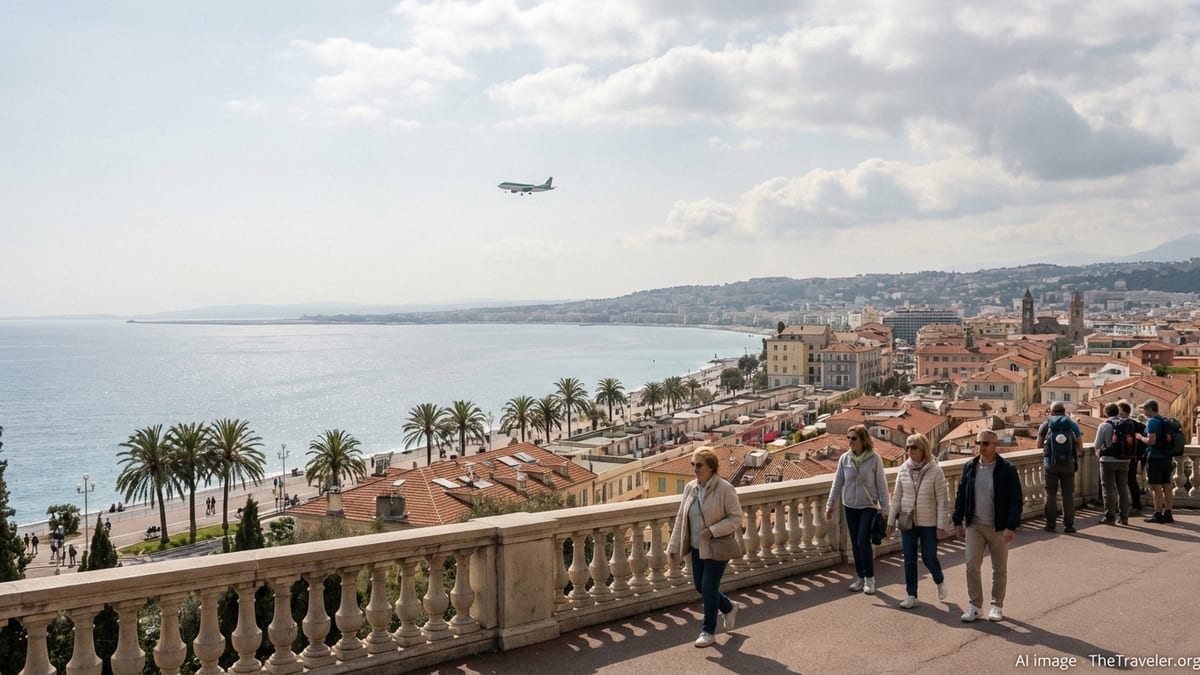
New Summer 2026 Routes Put Cork on the Mediterranean and Camino Maps
The Irish flag carrier’s latest schedule from Cork Airport confirms two high-profile additions for the 2026 summer season: Nice on the French Riviera and Santiago de Compostela in Spain’s Galicia region. The pair of routes position Cork as a more compelling gateway for sun-seekers, culture-focused city breakers and those heading for one of Europe’s most famous pilgrimage trails.
Flights to Nice are due to operate twice weekly from early May through the end of September, with services scheduled on Wednesdays and Saturdays. That pattern is designed to appeal both to long weekend visitors and to families or second-home owners seeking longer Mediterranean stays over the Irish summer.
Santiago de Compostela will also be served twice weekly, with flights planned from early June into late October, operating on Mondays and Thursdays. This schedule gives Cork-based pilgrims and walkers flexible options at the start and end of Camino itineraries, while also opening up Galicia’s broader coastline and cities to inbound visitors.
Cork Airport officials describe the upgraded Aer Lingus program as one of the most diverse summer line-ups the airport has offered, pointing to a growing mix of classic sun destinations, city breaks and regional links that complement the new Nice and Santiago services.
Riviera Glamour and Galician Heritage in Sharper Focus
The Nice route taps into enduring Irish demand for the Côte d’Azur, giving travellers direct access to one of Europe’s most scenic stretches of coastline. From the Promenade des Anglais and the pastel old town to nearby towns such as Antibes and Cannes, the new flights are expected to appeal to cruise passengers, art and food lovers, and holidaymakers looking for reliable sunshine and sea.
Tourism stakeholders note that Nice also acts as a practical base for exploring the wider Provence and Italian border regions by rail, broadening potential itineraries for visitors starting in Cork. Local hoteliers and tour operators on the French Riviera are expected to court Irish guests with early booking offers tied to the new connection.
In contrast, Santiago de Compostela brings a different tourism profile, built around spiritual travel, history and slow-paced cultural discovery. The UNESCO-listed old town and its cathedral, long associated with the culmination of the Camino de Santiago, already attract hundreds of thousands of pilgrims and tourists each year. The new Cork flights give Irish walkers a direct entry and exit point without transfers through Madrid or other hubs.
Travel agents in southern Ireland expect to package the route with organised Camino segments, luggage transfer services and post-walk stays on Galicia’s Atlantic coastline. Regional tourism bodies in northern Spain, in turn, are likely to highlight easy onward connections to coastal hubs such as A Coruña and Vigo for visitors arriving from Cork.
Glasgow Frequency Increase Strengthens Celtic City Break Corridor
Alongside the new continental routes, Aer Lingus Regional, operated by Emerald Airlines, will increase its Cork to Glasgow service from four to six flights per week for summer 2026. The additional capacity responds to sustained demand since the route’s launch, reflecting strong two-way flows between Munster and Scotland’s largest city.
The expanded schedule is set to provide near-daily options at peak times, improving flexibility for business travellers, those visiting friends and relatives, and short-break tourists. Travel planners say the enhanced frequency will make it easier to combine Glasgow with wider Scottish touring, from Loch Lomond and the Trossachs to the Ayrshire coast.
Glasgow’s appeal as a cultural and nightlife destination has been central to the route’s performance so far. Venue-rich music districts, major museums and galleries, and a busy events calendar are seen as strong draws for younger Irish visitors in particular. Additional flights are expected to support group travel for concerts and sports fixtures as well as individual city breaks.
From a tourism development perspective, the thicker air bridge between Cork and Glasgow is also viewed as an opportunity to deepen links between Ireland’s south coast and Scotland’s tourism boards. Joint campaigns promoting twin-centre trips that pair Cork and Kerry with Glasgow and the Scottish Highlands are already being discussed in the trade.
What the Expanded Cork Network Means for Travellers and Tourism
For passengers across the south of Ireland, the Aer Lingus summer 2026 expansion transforms Cork into a more robust alternative to Dublin for both short European breaks and more specialised trips. With Nice, Santiago de Compostela and extra Glasgow services layered on top of existing routes to popular sun spots and city destinations, regional travellers gain more choice without the need for long surface journeys to larger airports.
Tourism economists point out that improved direct connectivity typically leads to longer stays and higher per-trip spending, as visitors are less constrained by awkward flight times and transfers. Cork’s hoteliers, guesthouses and tourism operators are expected to benefit from increased inbound traffic, especially from France, Spain and Scotland, while outbound Irish travellers are likely to travel more frequently when convenient direct options are available.
The new and expanded services also support Cork Airport’s broader strategy of reinforcing its role as the primary international gateway for the south of Ireland. Working with Aer Lingus and Emerald Airlines on a summer schedule that balances sun, culture, pilgrimage and city break markets, the airport is positioning itself as a flexible base for both leisure and niche itineraries.
As booking engines are updated and seats go on sale, travellers eyeing the 2026 holiday season from Cork, Nice, Santiago de Compostela or Glasgow are likely to find more options, sharper timings and increasingly competitive fares, underscoring just how rapidly regional air connectivity can reshape tourism flows on both sides of the route.