

More news on this day
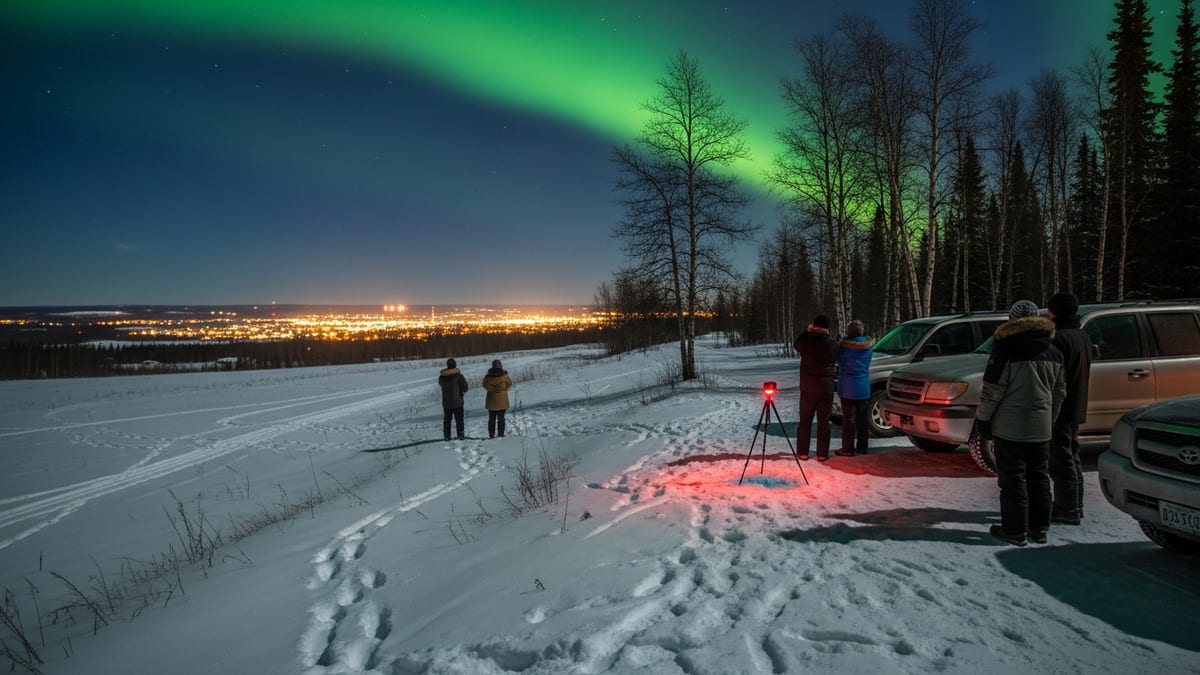
AIDAprima is emerging as one of this winter’s most closely watched ships in European cruising, as its shift from sun-seeking itineraries to Northern Lights chasing creates an unusually cinematic cold‑weather travel story.
Get the latest news straight to your inbox!
From Middle East Pivot to High-Latitude Showcase
Publicly available deployment updates show that AIDAprima’s upcoming winters will be spent far from the Gulf routes many cruisers once associated with the ship. AIDA Cruises has withdrawn the vessel from its previously planned Middle East season for winter 2025/2026, redirecting it to European waters instead. Industry coverage describes the move as part of a broader strategy to keep the ship in more predictable regions while demand for close-to-home winter travel remains strong.
Press material and trade reports indicate that Northern Europe, Scandinavia and the Canary Islands will now form the backbone of AIDAprima’s cold‑season schedules. Instead of overnight calls in Dubai or Abu Dhabi, itineraries are being built around ports such as Kiel and other North Sea gateways, putting guests within reach of Norway’s fjords, Baltic capitals and the open North Atlantic.
The change is significant because it aligns a large, resort-style ship with a style of winter cruise traditionally dominated by smaller expedition and coastal lines. While specialist operators along Norway’s coast have long marketed themselves around the Northern Lights, AIDAprima brings that aurora narrative into the mainstream, high-capacity segment of the cruise market.
For destination marketers in Northern Europe, the redeployment reinforces a wider trend. Cruise brands are increasingly using winter itineraries to spread visitor flows beyond the peak summer season, and AIDAprima’s size and onboard profile make it a high-visibility test case for whether big-ship guests will embrace cold, dark nights in exchange for the chance of seeing the aurora borealis.
Designing a Big-Ship Northern Lights Platform
Technical descriptions of the Hyperion‑class design, to which AIDAprima belongs, highlight its suitability for cooler climates. The ship’s covered promenades, weather-protected relaxation areas and extensive indoor entertainment spaces were originally conceived to support year‑round operation, including in northern waters where sea days can be brisk and daylight short.
Reports from German-language cruise outlets note that AIDAprima’s winter program is being framed around a “winter magic” concept, emphasizing heated outdoor areas, seasonal décor and family-friendly activities that remain attractive even when passengers spend long evenings wrapped in coats on deck. That balance is crucial on aurora-focused sailings, where the best viewing opportunities often come late at night and well away from urban light pollution.
The ship’s size and infrastructure also allow it to function as a floating winter resort between sailings along snow-fringed coastlines. The combination of multiple dining venues, indoor pools, a large theater and dedicated family zones is designed to turn adverse weather into part of the appeal, rather than a deterrent. Travelers who might hesitate to book a remote lodge in Arctic Norway can instead opt for a familiar big-ship format layered with Northern Lights potential.
This mix differentiates AIDAprima from traditional coastal vessels that lean more heavily on outdoor observation decks and smaller lounges. The cruise line is effectively betting that a mainstream audience will accept colder conditions when they are offset by spa facilities, production shows and inclusive dining that resemble a contemporary resort at sea.
Itineraries Timed for Auroral Drama
Published schedules and trade coverage suggest that AIDAprima’s winter deployment is being carefully aligned with the core Northern Lights window, typically considered to run from late autumn to early spring in northern Scandinavia. By operating far into the darker months, the ship increases the odds that clear skies will coincide with heightened solar activity.
Several of the planned itineraries feature extended passages at high latitudes, positioning the ship along routes that cut through the auroral oval on cloud-free nights. Away from the glare of major coastal cities, passengers have a better chance of seeing the pale green bands and sudden bursts of color that have made Arctic Norway a staple of bucket-list travel marketing.
At the same time, the program retains a degree of climatic flexibility. Industry summaries point to a brief midwinter swing toward the Canary Islands within the broader 2025/2026 schedule, offering guests a warmer interlude between colder North Sea and Baltic legs. This “winter escape within a winter season” gives the cruise line additional options if severe storms disrupt northern departures.
Travel analysts note that such hybrid scheduling reflects a wider trend in the cruise sector, where ships alternate between harsh and mild climates across a single season. By experimenting with both Northern Lights itineraries and classic sun-seeking routes, AIDAprima is being used as a laboratory for gauging how much cold-weather adventure mainstream European guests will accept.
Competing in a Crowded Aurora Marketplace
AIDAprima’s turn toward aurora hunting comes at a time when the Northern Lights have become a central narrative in winter tourism across the North Atlantic. Coastal operators in Norway and expedition brands in the Arctic have long built their itineraries and marketing around the phenomenon, and several offer “Northern Lights promises” that provide future cruise credits if no aurora is recorded during specific winter sailings.
Against this backdrop, a large resort-style cruise ship faces both an opportunity and a challenge. On the one hand, AIDAprima introduces thousands of first-time winter cruisers to the idea of chasing the aurora by sea, broadening the customer base beyond the traditional adventure and astronomy enthusiast. On the other, expectations are high in a market where specialized lines already publicize dedicated observation decks, expert lectures and onboard skywatch alerts.
Publicly available information about AIDAprima’s upcoming seasons focuses less on guarantees and more on the overall winter experience: festive programming on board, cultural shore excursions and the simple drama of sailing through long polar nights. That softer framing may help manage the inherent uncertainty around natural phenomena, emphasizing that a memorable trip does not depend solely on seeing streaks of green across the sky.
The ship also benefits from Europe’s mature air and rail network, which makes embarkation in ports such as Kiel comparatively straightforward for travelers from across the continent. Ease of access has become a significant factor as many travelers weigh the environmental and logistical costs of long-haul flights to more remote Northern Lights destinations.
A Bellwether for Europe’s Winter Cruise Future
For the wider cruise industry, AIDAprima’s story is being watched as a barometer of how winter travel preferences are evolving. If occupancy and onboard spending hold up through seasons dominated by cold-weather itineraries, other large ships in Europe may follow with more ambitious northern deployments.
Destinations along the Norwegian coast and around the Baltic Sea are also monitoring the impact of extended winter schedules. Port authorities and local tourism operators have been working for years to broaden their visitor base beyond July and August, and a high-capacity, high-profile ship operating through the darkest months could accelerate that shift.
Analysts note that climate considerations are increasingly part of the conversation. By keeping AIDAprima in European waters year‑round instead of repositioning it to more distant regions each winter, the cruise line reduces the number of long relocation voyages that add fuel consumption without providing many port calls. Some observers see this as an example of how commercial decisions, security concerns and sustainability debates can intersect in itinerary planning.
As the next winters approach, AIDAprima’s progress along the snow-lined quays of Northern Europe is likely to generate a steady stream of social media imagery and traveler reviews. Whether the aurora appears on cue or remains elusive on any given voyage, the ship’s experiment in mixing big-ship amenities with Arctic-night drama has already secured it a prominent place in the current season’s winter travel narrative.