


More news on this day
When an Air India itinerary suddenly unraveled, one international traveler did what many passengers are told to do in a crisis: follow the airline’s rebooking advice. Instead of a smooth fix, the guidance allegedly triggered more than 2,000 dollars in extra costs, illustrating how confusing rules and opaque policies can turn a disrupted flight into an expensive ordeal.
Get the latest news straight to your inbox!
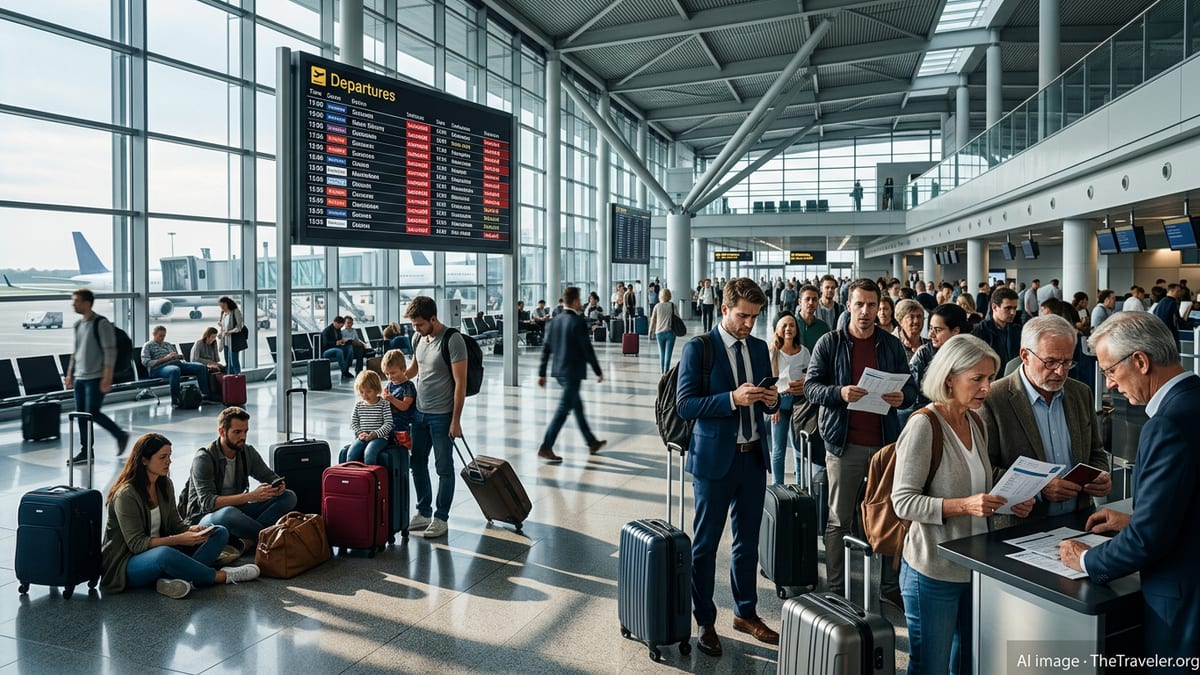
A Disrupted Journey Turns Into a Costly Detour
According to accounts shared in online travel forums and social media posts, the incident began when an Air India flight on a multi‑segment itinerary was disrupted, leaving the passenger at risk of missing onward connections. With seats disappearing quickly and prices rising, the traveler contacted the airline and was advised to secure alternative flights and pursue reimbursement later.
The passenger, facing time pressure and limited options, reportedly followed that guidance and rebooked key legs of the trip independently. By the time a workable replacement route was stitched together on other carriers, additional out‑of‑pocket expenses had climbed to roughly 2,000 dollars, including new one‑way tickets and related costs.
When the traveler later approached Air India for reimbursement, they encountered a very different interpretation of what the airline was prepared to cover. Publicly available accounts describe partial offers, references to internal policy limits and, in some cases, suggestions to rely on travel insurance instead. The gap between what passengers understand from frontline advice and what is documented in formal policies has become a recurring theme in complaints about disruption handling.
While this case involves one traveler, similar narratives involving high rebooking costs and contested reimbursements now appear frequently in online discussions about the carrier, pointing to broader frustration with how complex itineraries are managed when schedules change at short notice.
What Air India’s Own Rules Say About Rebooking
Air India’s published guidance paints a more structured picture of how disrupted travelers should be accommodated. The airline outlines a self‑service “re‑accommodation” feature that allows passengers to rebook onto available Air India flights when operations are affected, typically without additional charges if the disruption is caused by the carrier. This tool is intended to keep customers on Air India services rather than pushing them to purchase new tickets elsewhere.
In more detailed schedule‑change and irregular‑operations documentation, the airline describes a hierarchy of options. When a flight is cancelled or rescheduled substantially, Air India says passengers may be moved to the next available Air India service, rebooked once without fees, or offered a refund if they choose not to travel. For itineraries involving partner airlines, policy language indicates that the carrier may arrange onward travel on partner flights when an Air India segment delays or cancels and causes a missed connection on the same booking.
Crucially for cases like the 2,000‑dollar dispute, those policies also emphasize limits. Air India specifies that compensation for rerouting is generally restricted to providing an alternative flight or a refund of the unused portion of the ticket. Internal guidance states that there is no additional monetary compensation simply because alternative flights on other carriers are more expensive than the original booking. Voluntary change programs further underline that price differences between old and new flights are not typically reimbursed in cash.
This creates a disconnect for passengers who, in the heat of disruption, interpret verbal or informal advice as an assurance that self‑funded rebookings on other airlines will be repaid in full. When claims are later reviewed under written policies, travelers can find that their understanding of “rebooking assistance” does not match what the airline is prepared to cover.
Passenger Rights Under EU and Other Jurisdictions
The financial impact of disruption is not governed solely by airline policy. On routes touching certain regions, statutory passenger‑rights regimes come into play, including the long‑standing European Union rules commonly referred to as EU261. These regulations apply to passengers departing from airports in the European Union and several associated states, including flights operated by non‑European carriers such as Air India.
Under EU rules, passengers on qualifying flights whose services are cancelled or subject to long delays may be entitled to care, rerouting and fixed cash compensation, depending on circumstances like notice period, cause of disruption and eventual arrival time compared with the original schedule. Rerouting must be offered under “comparable transport conditions,” which, according to legal interpretations, may in some situations include placing passengers on other airlines if the original carrier cannot provide a timely alternative.
However, those regulations do not operate as an open‑ended guarantee to reimburse any ticket a passenger chooses to buy. The law sets specific thresholds and builds in exemptions for extraordinary circumstances such as severe weather or air‑traffic control restrictions. Travelers who independently purchase new flights after a disruption often need to demonstrate that the original airline failed to provide appropriate assistance or rerouting before claiming the cost difference.
Outside Europe, protections vary. Canada’s Air Passenger Protection Regulations set out standards of treatment and compensation for delays and cancellations on flights from or to Canadian airports, while India’s own rules focus on defined payouts or rerouting obligations for domestic delays and denied boarding. In practice, a single interrupted itinerary on an international airline such as Air India can be subject to several overlapping frameworks, depending on origin, destination and where the disruption occurs.
Growing Frustration Over Confusing Advice and Limited Recourse
The 2,000‑dollar case has resonated with travelers because it mirrors a pattern reported across multiple platforms: passengers say they are told in urgent phone calls or airport conversations to “just rebook” or “book something that works and submit the receipts,” only to face denials or partial offers once they file claims. In some accounts, frontline staff are described as emphasizing immediate practical solutions, while later correspondence from corporate offices strictly adheres to policy clauses that exclude many of the costs incurred.
Online discussions suggest that long call‑center waits, inconsistent answers between agents and limited transparency into how claims are evaluated contribute to a sense that passengers are shouldering the financial risk of disruption. Some travelers report that they feel pressured to make fast, expensive decisions to avoid being stranded overnight or missing crucial events, without having time to review the fine print of airline and regulatory rules.
Consumer advocates argue that this gap between expectations and reality is particularly stark when disruptions affect multi‑segment or long‑haul itineraries. Missing a single leg can unravel an entire journey, and replacement flights at short notice often cost far more than the original ticket. When airlines decline to cover those costs, the financial burden can quickly climb into the thousands of dollars, as in the reported case of the Air India passenger who followed rebooking advice and ended up paying heavily for it.
Airlines, for their part, tend to stress that they operate within clearly published policies, that not all disruptions are within their control, and that travel insurance or credit‑card protections may help fill gaps. Yet the continuing stream of complaints suggests many passengers do not understand where airline obligations end and personal risk begins until after an expensive lesson.
How Travelers Can Protect Themselves When Plans Unravel
For travelers, the experience shared by the Air India passenger is a cautionary tale about acting on verbal rebooking advice without written confirmation. Consumer specialists generally recommend asking airline agents to specify, in writing where possible, whether the carrier will reimburse alternative flights on other airlines, and under what conditions. Screenshots of app notifications, emails confirming cancellations and notes of who said what and when can help later if a claim is disputed.
Before committing to expensive new tickets, passengers can also review publicly available passenger‑rights guidance for the region in which they are traveling. On departures from European Union airports, for example, EU261 information explains when airlines must offer rerouting, care and compensation. Similar government resources exist in Canada and other jurisdictions, outlining when carriers must rebook disrupted travelers and what cash payments may be owed.
Travel insurance and premium credit‑card protections may provide an additional backstop when airline support is limited, but coverage terms differ widely. Policies often require that the disruption meet strict criteria and that travelers first seek assistance from the airline before incurring extra costs. Keeping receipts, documenting interactions and filing claims promptly can be crucial.
In the end, the 2,000‑dollar rebooking dispute underscores the importance of clarity at the moment of disruption. When flight schedules collapse, passengers may feel they have little choice but to follow whatever guidance they receive. Yet without a clear record of what the airline has committed to do, the financial outcome may hinge not on what travelers believe they were told, but on how policies and regulations are later interpreted.