


More news on this day
Air travel disruptions have a way of thinning crowds, but recent Honor Flight homecomings show the opposite can happen: even when planes arrive late, supporters keep showing up to greet veterans returning from daylong trips to Washington, D.C.
Get the latest news straight to your inbox!
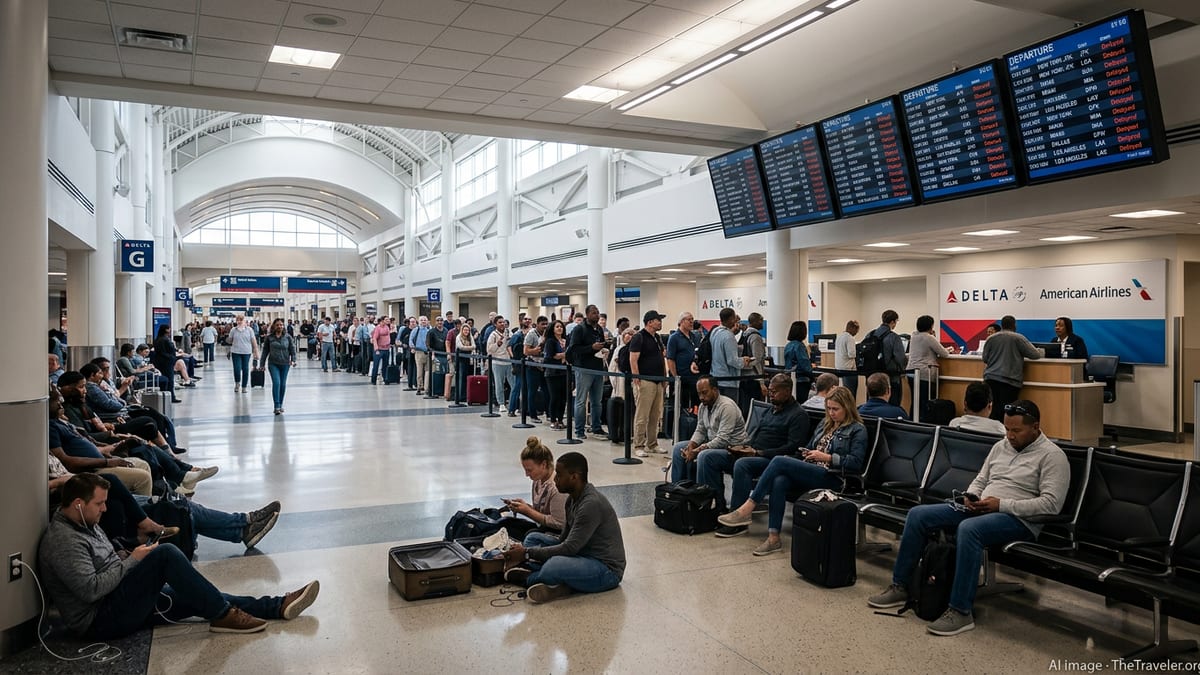
A late arrival still draws a crowd
Published coverage in recent months has documented multiple Honor Flight returns where delays stretched well into the evening, yet terminals and arrival areas remained packed. One recent example in Wisconsin involved Old Glory Honor Flight’s Mission 80, which returned to Appleton International Airport after storm-related delays and still received a late-night welcome. The group had spent the day visiting major sites in the nation’s capital, including Arlington National Cemetery and well-known memorials.
In Florida, a separate report described hundreds of supporters waiting at Melbourne Orlando International Airport for Space Coast Honor Flight Mission 89. The arrival ran later than expected after an unexpected delay connected to Baltimore and additional weather issues in Florida, but the community turnout still held.
These scenes are not isolated. Across the country, local Honor Flight hubs coordinate send-offs and homecomings that can shift hour by hour with airline operations, yet the tradition of a public welcome remains a defining part of the experience.
How Honor Flight homecomings are organized
Honor Flight programs, run through local nonprofit “hubs” under the broader Honor Flight network, typically focus on taking veterans, often from World War II, Korea, and Vietnam eras, to Washington, D.C. to visit memorials dedicated to their service. Many trips are designed as tightly scheduled, one-day missions, which can make them especially vulnerable to weather, air-traffic constraints, or aircraft scheduling changes.
Because return timing can be unpredictable, airport homecoming plans are often built to be flexible. Some welcome-home organizers publish instructions for supporters about when to arrive and how to handle last-minute changes, including reminders that arrival times can move and that airport security procedures may limit where greeters can stand.
Several airport-based volunteer groups that support Honor Flights have also emphasized that delays are part of normal airline travel and do not necessarily change the goal of the event: a visible, energetic show of appreciation as veterans walk back into their hometown airport.
Security rules shape who can greet veterans inside the terminal
Not every airport allows large crowds near gates, and post-9/11 security procedures still heavily influence what is possible. Some Honor Flight welcome teams outline gate-pass processes for eligible greeters, while also noting that access is never guaranteed and can depend on airport operations and screening capacity.
In 2026, airport access rules have also been in flux in some places. Recent published reporting described the Transportation Security Administration allowing eligible TSA PreCheck members, in limited circumstances, to go through security without a ticket and enter gate areas, a shift that is separate from Honor Flight operations but relevant to how some airports may manage non-traveling visitors.
Even when gate access is limited, many communities still organize effective welcomes in public areas such as baggage claim approaches, terminal entrances, or designated viewing spots. The common thread is planning around the airport’s current rules, with a willingness to adjust as conditions change.
Welcome-home events are scheduled, but timing can change fast
Honor Flight hubs across the U.S. routinely post welcome-home details in advance, including dates and estimated arrival windows, while cautioning that flights can be delayed. Publicly available schedules show a steady cadence of 2026 missions and homecoming gatherings, including events posted by hubs in Ohio and Texas, as well as airport-hosted welcome-home listings in Maine and Florida.
In Kentucky, late-summer coverage described more than 60 veterans returning to Blue Grass Airport to a welcome-home celebration after an Honor Flight Kentucky mission. Reports noted the trip’s commemorative nature, with one veteran marking an 80th birthday during the journey, a reminder that these trips often blend personal milestones with public recognition.
When delays occur, organizers may shift volunteer staffing, update signage and staging, and keep families informed through hub communications. The goal is to preserve the moment of arrival, even if it happens hours later than expected.
Why the crowds keep coming, even when flights run late
The persistence of these welcomes reflects more than scheduling discipline. Many Honor Flight missions are framed as a long-overdue gesture, especially for Vietnam-era veterans who, according to published coverage from sponsors and community partners, did not always receive broad public support upon returning from service decades ago.
That backdrop helps explain why a delayed landing does not necessarily reduce turnout. For families, volunteers, and local supporters, the welcome home is not treated like a typical airport pickup. It is closer to a community event, one that can absorb uncertainty in exchange for the chance to applaud veterans as they return.
As more hubs publish schedules and airports continue hosting organized homecomings, the pattern remains consistent: weather and airline disruptions can push the clock back, but the core ritual, and the crowd’s willingness to wait, often stays intact.