

More news on this day
Passengers flying with Nigerian carrier Air Peace are facing growing disruption as the airline warns of delays and operational constraints linked to an acute shortage of aviation fuel across the country.
Get the latest news straight to your inbox!
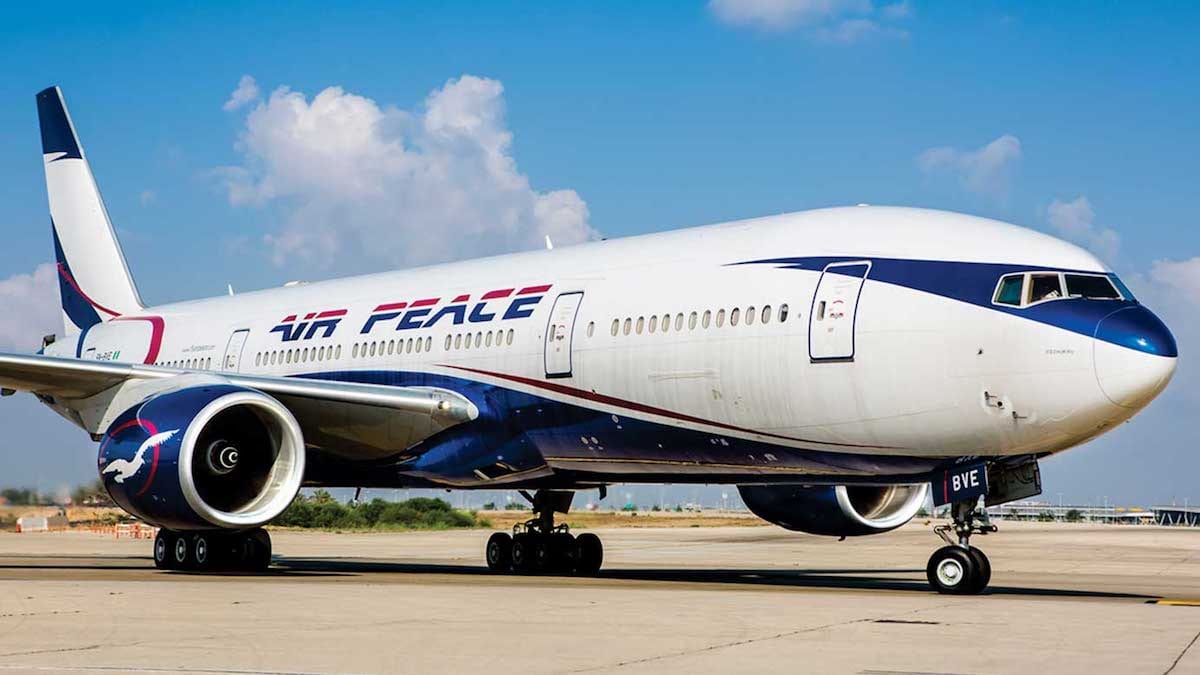
Air Peace flags fuel-related delays across its network
Recent notices from Air Peace indicate that flights on several domestic and regional routes are now vulnerable to delays as suppliers struggle to meet demand for Jet A1, the kerosene-based fuel used in commercial aviation. Publicly available information shows that the carrier has begun cautioning customers that schedules may slip and that some services could experience extended turnaround times while aircraft are refuelled.
The latest advisory follows weeks of tightening fuel supply conditions in Nigeria, where local media reports describe long queues of aircraft at key hubs and heightened competition among airlines for available volumes. Coverage in Nigerian business outlets indicates that Air Peace, the country’s largest carrier by fleet and market share, is particularly exposed because of its dense schedule and wide domestic footprint.
Travel data and previous operational statistics show that Air Peace has already been contending with a high rate of delays in recent seasons, driven by a mix of congestion, weather and infrastructure constraints. The new pressure from fuel scarcity is adding another layer of complexity to an already stretched operation at airports such as Lagos and Abuja.
Aviation fuel prices surge to new highs
The disruption comes against the backdrop of a steep rise in the cost of Jet A1 in Nigeria since the start of 2026. According to published coverage of the domestic fuel market, aviation fuel prices have climbed from under 1,000 naira per litre in January to well above 2,500 naira in late March, an increase of more than 150 per cent in a matter of weeks.
Analysts cited in local financial reporting link the spike to global supply disruptions tied to conflict in the Middle East and tighter flows of refined products through key maritime chokepoints. While Nigeria is a major crude producer and has increased local refining capacity, especially through the large privately run Dangote refinery, reports indicate that high international oil prices and currency pressures are still feeding through to elevated local jet fuel costs.
Industry commentary suggests that fuel now accounts for close to 40 per cent of Nigerian airlines’ operating expenses, up from already high levels in recent years. With margins historically thin and access to foreign exchange constrained, carriers such as Air Peace are finding it increasingly difficult to absorb the latest cost surge without passing some of the impact onto schedules and service levels.
Wider strain on Nigeria’s domestic aviation sector
The current fuel squeeze is compounding a series of structural challenges for Nigerian aviation, including aircraft shortages, maintenance bottlenecks and legacy debt. Policy-focused reporting on the sector notes that a significant share of the country’s commercial fleet spent parts of 2025 grounded, raising unit costs and limiting the ability of airlines to add capacity when demand rebounded.
Historical performance data published by Nigerian transport outlets show that domestic carriers collectively recorded thousands of delays and hundreds of cancellations in late 2024 and 2025. Air Peace was frequently cited among the airlines with the highest number of delayed departures, reflecting both its size and the operational pressures of running dense shuttle schedules on busy trunk routes.
Observers of the Nigerian market argue that fuel scarcity has often acted as a trigger for broader disruption, with carriers forced to juggle aircraft rotations, consolidate flights or temporarily suspend some frequencies. The latest round of shortages appears to be reinforcing that pattern, with reports of airlines adjusting departure times at short notice to match refuelling opportunities at major hubs.
Knock-on effects for passengers and travel plans
For passengers, the immediate impact of Air Peace’s fuel-related delays is being felt in longer waiting times at terminals and a higher risk of missed connections, particularly on itineraries that combine domestic legs with international departures. Public travel advisories and consumer reports recommend that travellers build in additional buffer time, especially when connecting through Lagos or Abuja during peak periods.
Air Peace has also indicated that baggage restrictions may apply on some services as it works to balance payload, fuel uplift and operational safety on routes where fuel availability is constrained. Published notices suggest that customers could face tighter limits on checked baggage, as well as potential adjustments to how luggage is prioritised and transferred between flights.
Consumer protection bodies in Nigeria have previously highlighted the importance of transparent communication around delays and schedule changes, particularly during periods of sector-wide stress. With multiple airlines now contending with the same fuel environment, passengers are being urged by travel commentators to monitor flight status closely, update contact details with carriers and consider flexible tickets where possible.
Regional and global context of jet fuel shortages
The challenges facing Air Peace are unfolding in parallel with jet fuel concerns in other regions, underscoring how tightly connected aviation is to global energy markets. Business reporting from Europe points to growing anxiety among airports about potential jet fuel shortfalls later in 2026 if tanker flows through the Middle East remain disrupted.
Across Africa, trade and aviation publications describe airlines “groaning” under the combined weight of higher fuel prices and weak local currencies, with some operators warning that further shocks could push them toward restructuring or exit. Nigerian carriers are part of that broader picture, operating in a market where demand for air travel is strong but price sensitivity is high and road transport remains a cheaper, if slower, alternative for many journeys.
For now, Air Peace continues to operate the bulk of its schedule, but ongoing reports of fuel scarcity suggest that passengers should expect intermittent delays and operational adjustments in the weeks ahead. Travel specialists watching the Nigerian market note that the pace at which fuel supply normalises, and the extent to which prices stabilise, will be critical in determining how long the current wave of disruption lasts for the country’s largest airline and its customers.