

More news on this day
AirAsia Malaysia will launch a new daily service between Kuala Lumpur and Batam on 13 March 2026, a move expected to strengthen tourism, business travel and regional connectivity between Malaysia and Indonesia’s Riau Islands.
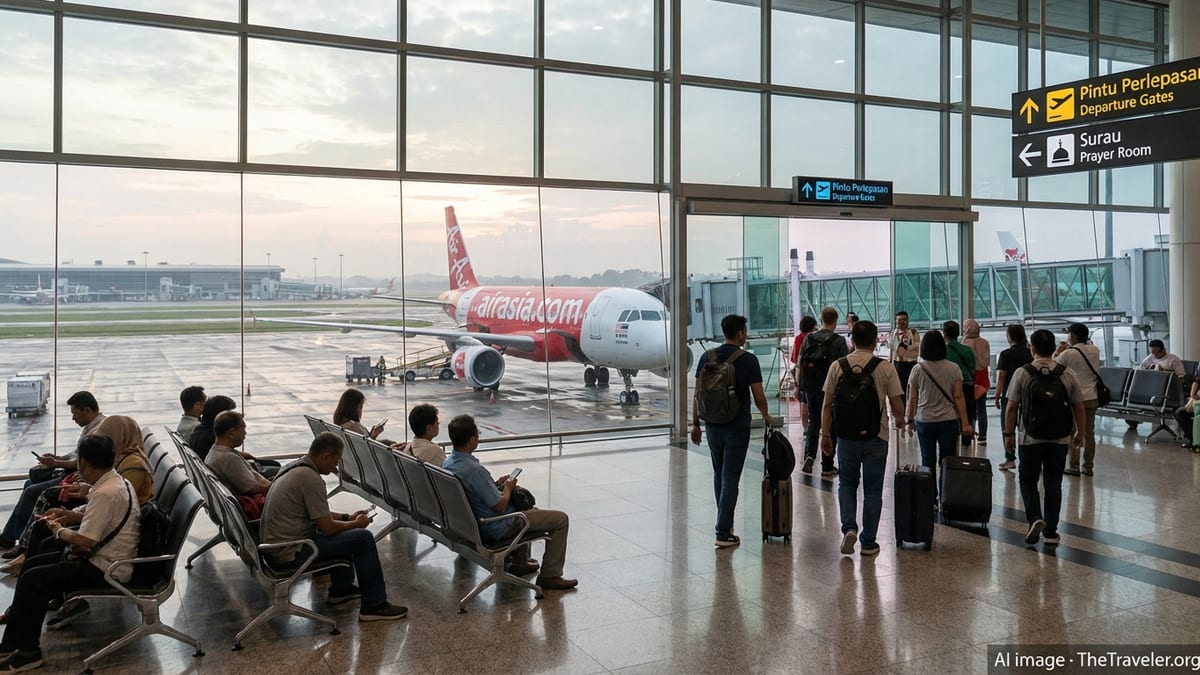
New Daily Link Between Kuala Lumpur and Batam
AirAsia’s latest international route will connect Kuala Lumpur International Airport Terminal 2 with Batam’s Hang Nadim International Airport once a day, providing a non-stop link between two of Southeast Asia’s fastest-growing urban hubs. The low-cost carrier confirmed that the route will commence operations on 13 March 2026, with tickets already on sale through its digital platforms.
The new service is being marketed with promotional all-in one-way fares starting from about RM169 from Kuala Lumpur to Batam and around IDR899,000 from Batam to Kuala Lumpur, inclusive of key charges and surcharges. The price point is aimed at capturing both leisure and business travellers who previously relied on ferry connections via Singapore or indirect flights through other Indonesian cities.
With daily frequencies, travellers will gain greater flexibility for short stays, weekend breaks and quick business trips. Local tourism authorities and airport operators in Batam say the route will also ease onward connections through Kuala Lumpur to wider AirAsia and partner networks, particularly long haul services into Europe, the Middle East and other parts of Asia.
Tourism Boost for Batam and the Riau Islands
Officials in Batam view the Kuala Lumpur link as a strategic lever to accelerate the island’s post-pandemic tourism rebound. Data from the Riau Islands shows that Malaysia is already Batam’s largest international source market, accounting for more than a quarter of all foreign visitor arrivals in the first eight months of 2025. Direct air access from the Malaysian capital is expected to make short cross-border holidays considerably more convenient.
Batam’s Hang Nadim International Airport has recorded a sharp upswing in international traffic, handling close to 140,000 foreign arrivals in 2025, an increase of around 64 percent compared with the previous year. Local tourism leaders believe the new daily service can push those numbers higher by encouraging more spontaneous trips for shopping, golf, spa breaks and family visits.
City officials have highlighted that Batam welcomed around 1.6 million international visitors in 2025, with Malaysian arrivals among the fastest-growing segments. They expect the direct Kuala Lumpur connection to support new tour packages that combine Batam’s beaches and resorts with urban experiences in Johor and Kuala Lumpur, further integrating the region as a single tourist corridor.
Stronger Trade and Business Connectivity
Beyond leisure travel, the route is positioned as a catalyst for deeper economic ties between Batam and Malaysia. Batam is home to large industrial parks, shipyards, electronics manufacturers and logistics facilities that already maintain close links with investors and suppliers across the Malacca Strait. A direct daily flight is expected to reduce travel time for executives, engineers and skilled workers commuting between the two markets.
Airport operator PT Bandara Internasional Batam has described the Kuala Lumpur service as part of a broader strategy to leverage the city’s status as a logistics and manufacturing hub. By improving air access, authorities hope to attract additional foreign investment and encourage multinational firms to use Batam as a base for operations serving both Indonesia and neighbouring countries.
Business groups in both countries note that easier point to point travel can also support meetings, conferences and incentives business, as corporate planners gain another option for hosting cross-border events. The daily schedule is expected to facilitate same day trips in either direction, which is particularly attractive for sectors such as finance, consulting and technology services.
AirAsia Deepens Its Malaysia–Indonesia Network
The Kuala Lumpur–Batam route adds to AirAsia’s growing portfolio of services connecting Malaysia with key Indonesian cities, pushing its network between the two countries to nearly 20 routes. The airline carried close to three million passengers across the Malaysia–Indonesia corridor in 2025, underscoring robust demand for affordable regional air travel.
AirAsia executives have framed the new service as both a commercial opportunity and a contribution to strengthening bilateral ties. By expanding flight options at competitive fares, the carrier aims to reinforce its position as a major connector within the Association of Southeast Asian Nations and support government agendas focused on tourism growth and regional integration.
The choice of Batam reflects the airline’s strategy of targeting secondary cities with strong economic fundamentals and untapped tourism potential. Industry observers expect that if demand on the Kuala Lumpur–Batam route meets projections, AirAsia could eventually consider adding capacity or adjusting schedules to capture peak holiday and business periods.
Regional Travel Set for Further Growth
The launch of daily flights between Kuala Lumpur and Batam comes amid a broader expansion of Southeast Asian air services, as carriers respond to rising cross-border mobility and resurgent tourism. For travellers in Batam, the new link offers a direct gateway to one of the region’s largest air hubs, opening smoother one-stop connections to long haul destinations.
For Malaysian travellers, the route provides simple access to Batam’s resorts, golf courses and shopping centres, complementing existing ferry options and adding flexibility during peak holiday seasons. Travel agents on both sides of the Strait of Malacca are already preparing packages built around the new flights, expecting strong interest from families, groups and corporate clients.
As airlines rebuild and diversify their regional networks, routes like Kuala Lumpur–Batam illustrate how targeted connectivity can deliver clear benefits for local economies. By pairing competitive fares with a convenient daily schedule, AirAsia’s latest addition is poised to play a central role in shaping travel flows between Malaysia and Indonesia’s western gateway islands in the coming years.