

More news on this day
Maharashtra is emerging as a powerful engine of India’s event tourism economy, with new Airbnb data and industry analyses pointing to a surge in bookings, rising guest spending and a growing role for the state’s cities in hosting weddings, festivals, concerts and business gatherings.
Get the latest news straight to your inbox!
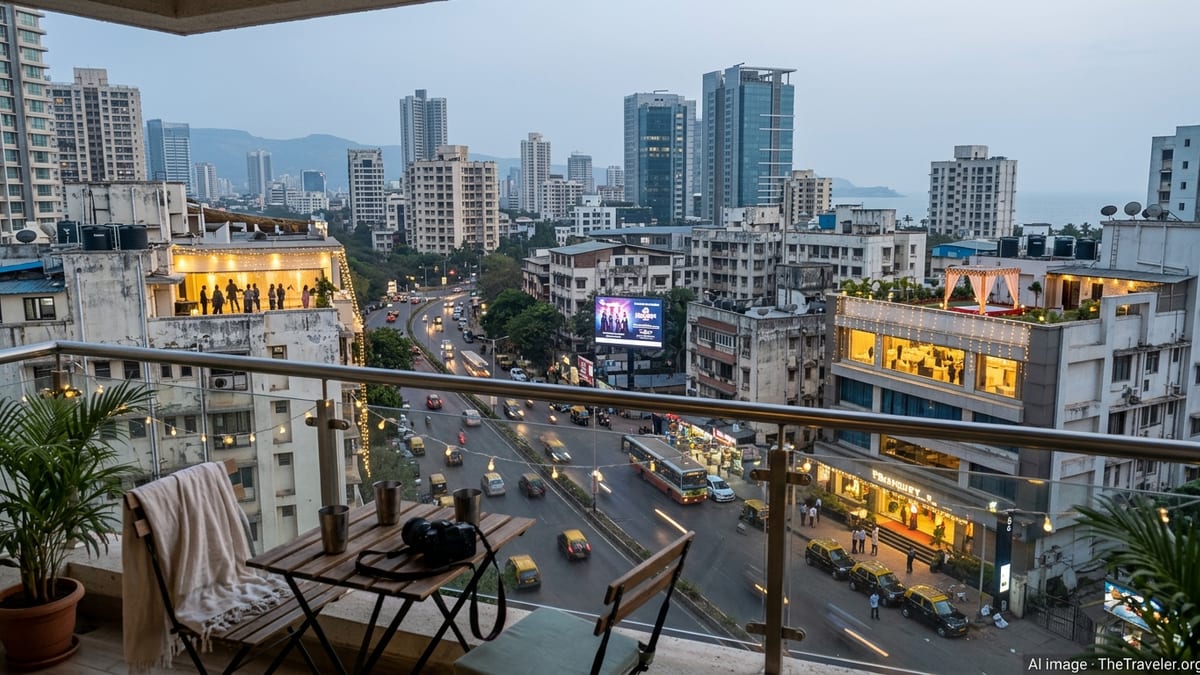
Airbnb’s India surge puts Maharashtra in the spotlight
Airbnb’s latest economic impact study for India, prepared with Oxford Economics, reports that guests using the platform spent about INR 112 billion on accommodation and related travel expenses in 2024, driven largely by domestic travelers. Publicly available figures show that around 91 percent of Airbnb guests in India were domestic that year, up from 79 percent in 2019, underscoring how local tourism demand is reshaping the country’s travel market.
Industry coverage indicates that Maharashtra has been a leading beneficiary of this shift. The state consistently ranks among India’s top destinations for both domestic and international visitors, supported by hubs such as Mumbai and Pune as well as coastal districts including Sindhudurg and Ratnagiri. As more Indian travelers book short-stay rentals for weddings, family celebrations and cultural festivals, Maharashtra’s dense transport network and event infrastructure are helping to convert that demand into higher-night stays and broader spending.
While Airbnb’s India-wide data does not publish a standalone Maharashtra breakdown, travel trade reports describe a marked increase in listings and occupancy across the state’s urban and leisure markets. Analysts note that the platform’s partnership efforts with local homestay operators in Maharashtra, first publicized several years ago, laid the groundwork for today’s expansion into event-led stays that cater to larger groups and multi-day functions.
Combined with India’s overall rise as one of Airbnb’s fastest-growing markets, the prominence of Maharashtra within domestic travel patterns is positioning the state as a bellwether for how digital platforms can redistribute event tourism spending beyond traditional hotel corridors.
Event tourism reshapes travel patterns and spending
Across India, event-driven travel is gaining prominence as a distinct segment, cutting across leisure and business categories. Market research on the country’s meetings, incentives, conferences and exhibitions sector suggests annual growth of around 8 percent, with the industry valued at roughly INR 25,000 crore and supported by heavy investment in new convention and exhibition infrastructure. Maharashtra’s large urban centers feature prominently in this expansion, hosting everything from corporate conventions and trade fairs to music festivals and entertainment events.
Parallel to formal conference activity, social and cultural events are also fueling demand. Reports from wedding planners and luxury travel operators describe a multi-year rise in destination weddings, high-end celebrations and extended family gatherings, trends that have translated into bigger accommodation budgets and a preference for exclusive, private venues. In Maharashtra, locations from Mumbai’s coastal suburbs to hill belts around Lonavala and Mulshi are increasingly marketed as event-ready clusters capable of absorbing large wedding and social groups.
Airbnb’s global research on mega-events indicates that big platforms can shift visitor flows into neighborhoods and satellite towns that previously saw little event-related business. During major international sporting and cultural events, the company has documented how guests often opt for non-traditional districts and peripheral communities. Industry observers argue that a similar pattern is now taking shape in Maharashtra, as event travelers look beyond central business districts and established resort strips in search of distinctive stays across the Konkan coast and the Western Ghats.
This evolution has important implications for spending. Rather than flowing solely into large hotels near event venues, guest budgets are increasingly spread across homestays, independent restaurants, local transport operators and experience providers. For Maharashtra, where many coastal and rural communities have been seeking higher-value tourism, event travel routed through platforms such as Airbnb is opening new income streams.
Mumbai, Pune and coastal districts emerge as event magnets
Mumbai remains the state’s most visible event anchor, powered by its role as India’s financial and entertainment capital. Large-scale concerts, film-related events, fashion weeks and industry conferences provide a steady calendar of activity that attracts both domestic and international visitors. Travel industry reports highlight that during marquee events, demand for short-term rentals in neighborhoods close to major venues and business districts climbs sharply, encouraging more homeowners to list rooms and apartments.
Pune has developed into a parallel hub, combining a strong corporate base with a growing calendar of technology conferences, cultural festivals and student-led events. Market analyses of the global MICE sector frequently cite Pune as a testbed for new event technologies and management tools, aligning the city with international trends in hybrid conferences and smart venues. Local tourism commentary suggests that this steady stream of events is translating into higher occupancy for short-stay rentals, particularly during long weekends and holiday-linked festivals when leisure and business demand overlap.
Beyond the big cities, Maharashtra’s coastal districts are increasingly aligned with event tourism demand. Sindhudurg, which national tourism authorities have highlighted as a priority destination for sustainable and high-end tourism, has seen a spike in boutique homestays and farm stays marketed for intimate weddings, wellness retreats and offbeat corporate gatherings. Publicly available listing descriptions on accommodation platforms emphasize private beaches, traditional Konkan homes and farm-based venues that can host multi-day events combined with local cultural experiences.
Similar patterns are being reported in other Konkan and Western Ghats pockets, where property developers and tourism companies reference Airbnb and other digital platforms as important channels for second-home buyers and small hospitality entrepreneurs. For Maharashtra, this diffusion of event-related stays beyond the main metros is reinforcing its image as a state where urban infrastructure and nature-focused escapes coexist within a single, accessible circuit.
Domestic travelers power growth in bookings and nights
The rise of Maharashtra as an event tourism hub is tightly linked to the changing behavior of Indian travelers. According to Airbnb’s India impact study, domestic travelers now account for the vast majority of platform guests, a pattern attributed to younger demographics, rising disposable incomes and a growing comfort with digital booking platforms. Analysts point out that this cohort is more likely to design trips around key life events, festivals and concerts, rather than relying solely on traditional holiday seasons.
Post-pandemic travel trends tracked by Indian travel operators show strong growth in luxury and experiential spending, with travelers opting for longer, higher-value stays. This has translated into a willingness to book entire villas, farmhouses or multi-bedroom apartments to accommodate extended families and groups of friends. Event tourism dovetails neatly with this shift, since weddings and celebrations typically require multiple nights of accommodation, pre-function gatherings and post-event leisure days that extend total trip length.
Maharashtra’s connectivity provides a further boost. The state’s network of airports, highways and rail lines makes it easier for domestic guests to stitch together event attendance with regional exploration. A family traveling to Mumbai for a wedding, for example, can add a few days in Lonavala, Nashik or the Konkan coast, often using short-stay rentals for each leg. Public-facing commentary from hosts indicates that many listings in such destinations report clusters of bookings timed around major urban events, reflecting the growing habit of combining functions with nearby getaways.
This domestic-driven pattern also cushions Maharashtra’s tourism sector against international volatility. While inbound arrivals remain important, analysts observing Airbnb and broader travel data note that sustained domestic appetite for events and celebrations is providing a reliable base of demand for hosts across the state.
Investment, regulation and community impacts on the horizon
The momentum behind event-led bookings in Maharashtra is prompting new investment across accommodation types. Hospitality consultants and trade publications describe a wave of mid-scale and luxury hotel projects in and around Mumbai and Pune, alongside a quieter boom in small-scale homestays, villa rentals and farm stays catering to social gatherings. Developers of second homes along the coast are increasingly referencing tourism demand and Airbnb-style rentals in their marketing materials, suggesting an expectation that event tourism will underpin long-term yields.
At the same time, questions about regulation and community impact are moving higher on the agenda. Global debates around short-stay platforms, particularly in major event cities, have focused on housing affordability, neighborhood congestion and the need for clear tax and safety standards. Policy papers and local commentary in India suggest that as Maharashtra’s listings grow, authorities are likely to seek more structured registration, taxation and compliance frameworks for short-term rentals, especially in areas where event-driven demand is intense.
For local communities, the economic benefits can be significant. Publicly available research from Airbnb and other tourism bodies highlights how dispersing visitors beyond hotel districts can create opportunities for small businesses, artisans and transport providers. In Maharashtra’s smaller coastal towns and hill settlements, a successful wedding season or festival period can inject meaningful income, encouraging residents to invest in property upgrades, cultural programming and niche experiences that, in turn, attract more visitors.
Observers note that the trajectory of Maharashtra’s event tourism will depend on how effectively stakeholders manage this balance between growth and sustainability. If infrastructure investment, regulatory clarity and community engagement keep pace with demand, the state appears well positioned to consolidate its role as India’s leading event tourism hub, with Airbnb and similar platforms acting as critical connectors between travelers, hosts and local economies.