


More news on this day
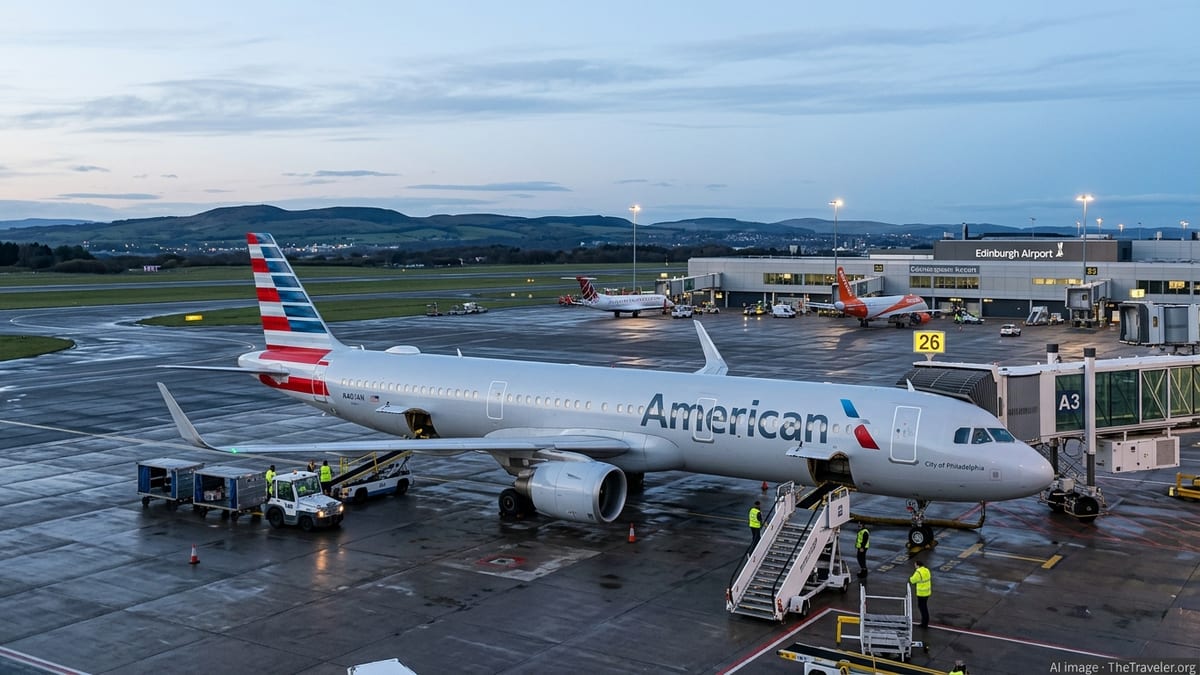
American Airlines is positioning summer 2026 as one of the busiest travel periods in its history, expanding schedules, adding new routes and preparing for a surge in leisure and major-event demand that could make this season a record breaker for the carrier and its customers.
Get the latest news straight to your inbox!
Network Growth Sets the Stage for a Busy Summer
Publicly available information shows that American Airlines is entering summer 2026 with one of its most ambitious schedules in years. Industry analyses indicate that American remains the largest U.S. carrier by total seats, reflecting a broad domestic network and a growing slate of long-haul services. That scale gives the airline significant leverage as demand for summer vacations, family visits and major international events continues to build.
The airline has already outlined plans to add at least 15 new routes in 2026, extending its reach from U.S. cities into its global network. Corporate communications from late 2025 describe these additions as part of a broader strategy to connect more secondary markets with major hubs, a move designed to funnel additional passengers onto long-haul flights during the peak season.
Analyst commentary and recent financial disclosures point to confidence inside the company that demand will support this build-up. After reporting record revenue in 2025, American has projected stronger profitability in 2026, in part on the expectation that peak summer flying will operate with high load factors and robust yields. For travelers, that translates into a busier network with more choices, but also fuller flights and potentially tighter competition for the most desirable dates and times.
World Cup and International Demand Drive Capacity
A key factor behind the bullish summer outlook is the 2026 FIFA World Cup, which will be hosted across multiple cities in the United States, Canada and Mexico. Aviation industry coverage indicates that American is planning its largest summer capacity expansion in years to help move spectators among host cities, adding tens of thousands of seats across a dozen or more routes tied to the tournament period.
Separate cargo and passenger schedule announcements highlight that American expects to operate up to around 186 widebody international flights per day at peak, significantly boosting long-haul capacity. This includes expanded transatlantic flying and additional service to Europe, where the airline has unveiled several new or restored routes for the 2026 summer timetable.
For passengers, this surge in international capacity brings a mix of opportunities and tradeoffs. On one hand, more widebody flying means increased availability of premium cabins, extra-legroom seating and upgraded onboard amenities on long routes. On the other, major sporting events tend to compress demand into specific windows and city pairs, which can push fares higher on World Cup-adjacent dates and make award seats or low promotional fares harder to find.
Chicago and Key Hubs Face Congestion Controls
American’s aggressive summer 2026 plans are particularly visible in Chicago, one of its core hubs. Industry reports note that both American and United have been increasing flights at O’Hare International Airport following a record-breaking 2025 summer in which the airport recorded some of the highest departure counts of any U.S. hub.
The rapid buildup, however, has drawn the attention of regulators. Recent Federal Aviation Administration communications describe O’Hare as the busiest U.S. airport by flight volume on peak summer 2026 days and outline a coordinated effort to cap daily operations at roughly 2,708 movements. The move is intended to prevent overscheduling after airlines initially filed plans for a substantially higher number of flights.
Passengers transiting hubs like Chicago, Dallas Fort Worth and Charlotte should expect crowded terminals and busy departure banks even with these controls in place. Schedule adjustments aimed at staying within slot and movement limits may result in retimed flights, trimmed frequencies on marginal routes and less slack in the system during bad weather. Travelers relying on tight connections or late-evening departures in particular may want to build in extra buffer as the summer timetable settles.
Pricing, Perks and the Cost of a Record Season
Forecasts for summer 2026 suggest that strong demand, higher fuel costs and infrastructure constraints will all feed into fare dynamics. Airline and airport data reviewed by financial analysts indicate that capacity growth is moderating compared with the post-pandemic rebound years, even as appetite for travel remains elevated. That imbalance can give carriers more pricing power on peak days, especially around school holidays and World Cup match dates.
American has also been reshaping parts of its product to manage costs and revenue. Late 2025 and early 2026 coverage detailed changes to how some of the airline’s most discounted economy tickets earn loyalty rewards, reducing mileage and point accrual for the cheapest fares. These adjustments fit a broader industry pattern in which low base fares are paired with fewer perks, steering frequent travelers toward higher-priced products if they want lounge access, flexible changes or faster mileage earning.
For passengers, the implications are twofold. Budget-conscious travelers may still find entry-level fares, but they are more likely to face tradeoffs such as limited changes, constraints on upgrades and weaker loyalty earning. At the same time, heavy summer demand can reduce the availability of midrange fares that include checked bags or advance seat selection, especially on competitive routes and desirable time slots.
How Travelers Can Navigate American’s Busiest Summer Yet
With a record-oriented summer schedule, travelers flying American in 2026 will encounter a network that is simultaneously more extensive and more stretched. Early booking is likely to be important for those aiming to lock in lower fares, nonstops on popular routes or seats in premium cabins. Historical patterns from recent summers show that the lowest fares on peak dates often disappear months ahead of departure, particularly for Friday and Sunday travel.
Operational data from previous peak seasons also suggest that high traffic volumes increase the risk of delays when thunderstorms, air traffic control initiatives or ground handling issues occur at major hubs. Passengers with connections through cities such as Chicago or Dallas Fort Worth may benefit from choosing longer layovers, earlier flights in the day and itineraries that avoid the most congested periods whenever possible.
Travelers focused on maximizing loyalty value might take a closer look at fare rules and earning charts before purchase, especially in light of recent changes affecting some discount tickets. Understanding which fares qualify for full mileage and status credit, and how those align with summer pricing patterns, can help frequent flyers decide when it makes sense to pay more up front for long-term benefits.
All signs point to summer 2026 being a pivotal test of American Airlines’ strategy to combine aggressive network growth with tighter cost controls and evolving loyalty economics. For passengers, that likely means more places to go and more flights to get there, but also a premium on planning, flexibility and careful reading of the fine print.