


More news on this day
Once seen mainly as gateways to nightlife and shopping, big cities are increasingly positioning themselves as places to reset, recharge and invest in long-term wellbeing.
Get the latest news straight to your inbox!
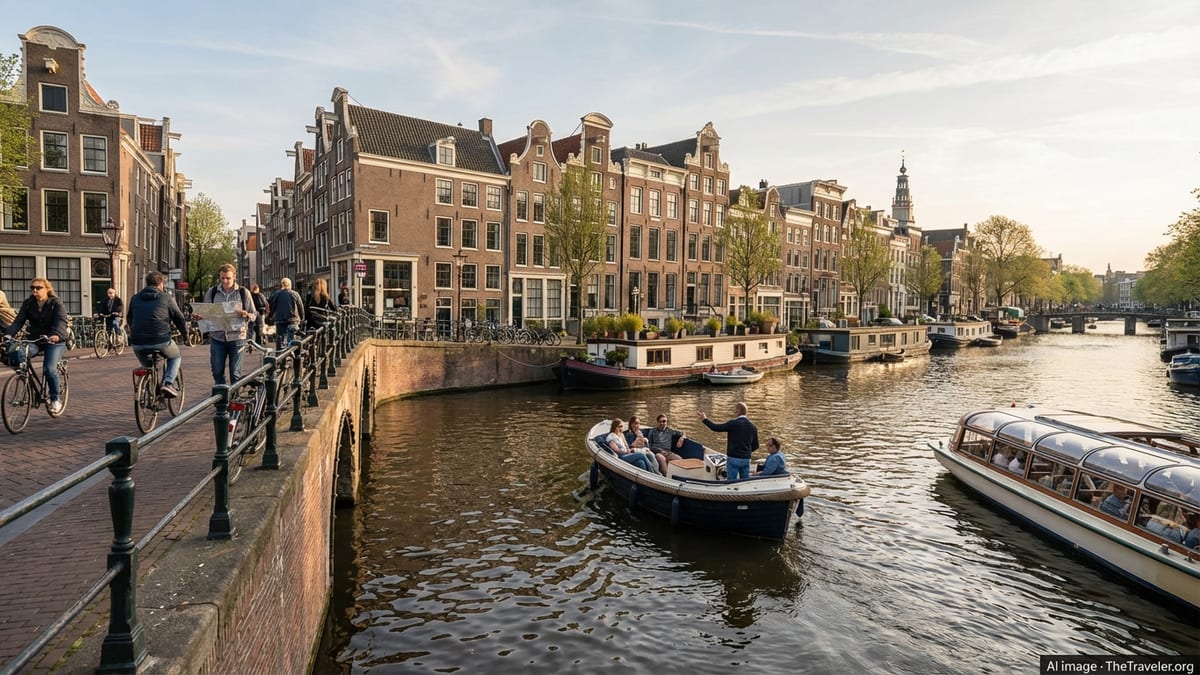
Wellness Tourism Surges Into the Urban Mainstream
Wellness tourism has shifted from a niche focused on remote retreats to one of the fastest growing segments of global travel. Research from the Global Wellness Institute indicates that wellness tourism spending has rebounded strongly since the pandemic and is on track to approach the 1 trillion dollar mark worldwide, with city breaks now a core part of that expansion. Rather than abandoning urban escapes, travelers are looking for ways to maintain healthy habits while enjoying food, culture and design-rich neighborhoods.
Industry analysis shows that wellness-minded city visitors tend to spend more per trip than the average traveler and prioritize experiences that blend movement, mental health and restorative downtime. This includes everything from bookable breathwork sessions and urban forest bathing to day passes at high-design bathhouses. As a result, tourism boards and private developers are reframing cities not as stressful stopovers, but as platforms where residents and visitors can access world-class wellness infrastructure in compact, transit-connected settings.
At the policy level, think tanks and advocacy groups have begun publishing toolkits that link wellness tourism to public health and liveability agendas. These reports highlight how investments in walkability, parks and clean air standards can simultaneously make cities more attractive to visitors and more supportive of residents’ long-term wellbeing. The message is clear: wellness tourism is no longer only about spa menus, it is about how the entire city feels and functions.
New York, London and Singapore Lead the Urban Spa Arms Race
A number of major metropolitan areas are emerging as bellwethers for how wellness tourism can reshape the urban experience. In New York City, new large-scale bathhouses and hydrotherapy complexes in Brooklyn and on Governors Island are drawing both locals and tourists with pools, saunas and relaxation zones that overlook the skyline. Operators are layering in services such as contrast therapy, IV drips and guided recovery sessions that appeal to fitness-focused travelers and time-pressed residents alike.
London is seeing its own wave of projects that fold wellness into dense neighborhoods, from hotel spas that double as membership-based wellness clubs to forthcoming city-located thermal resorts pairing large indoor gardens with saunas, steam rooms and water circuits. Travel and design coverage points to the British capital as a key testing ground for how high-capacity urban spa complexes can be integrated into existing transit and public-realm networks without overwhelming local communities.
Singapore, already known for its greenery and strict environmental standards, is leaning into wellness branding through citywide events and infrastructure. Recent destination marketing has highlighted a calendar of wellness festivals featuring yoga sessions in public spaces, plant-based gastronomy and meditation pop-ups across malls and waterfront districts. Planners are also promoting the city’s network of sky parks, nature reserves and shaded walking routes as part of a broader push to show that a high-density financial hub can also function as a restorative environment.
How Cities Are Designing for Wellbeing, Not Just Weekends
Urban wellness escapes are no longer confined to hotel gyms or rooftop pools. City governments and developers are experimenting with design interventions that aim to reduce stress at street level. This includes expanded cycling networks, traffic-calming projects, upgraded riverfront promenades and new micro-parks that double as outdoor yoga or tai chi venues. Urban planning research suggests that these kinds of investments not only improve daily life for residents but also shape how visitors perceive a destination’s overall atmosphere.
Real estate and tourism reports describe a rapid rise in “wellness real estate” within cities, where residential and mixed-use developments are marketed around air quality systems, circadian lighting, communal saunas, meditation rooms and access to nature. While these projects target permanent residents, they also tend to house hotels, serviced apartments or spa facilities that are open to short-term guests, effectively blurring the line between home and retreat. Analysts note that as these concepts spread from luxury towers to more mid-market projects, wellness amenities are becoming a baseline expectation rather than an upgrade.
Technology is also playing a role in urban wellness experiences. Destination apps increasingly promote step-friendly itineraries, stress-reducing transit routes and low-carbon travel options, reflecting growing interest in sustainable, health-conscious city breaks. Academic work on tourism recommender systems has started to integrate indicators such as air pollution, crowding and access to green space into trip suggestions, signaling that wellness and sustainability are likely to converge in how city trips are planned and marketed.
From Thermal Baths to Cold Plunges: Experiences Shaping Urban Escapes
Within this broader shift, specific wellness experiences are defining how travelers engage with cities. Spa industry trend reports for 2024 and 2025 highlight the rising popularity of contrast therapies such as cold plunges and ice bathing, often paired with infrared saunas or steam rooms. These treatments are now standard in many new city spas, which advertise quick, science-informed recovery sessions aimed at office workers, digital nomads and travelers arriving from long-haul flights.
Rooftop and skyline-facing wellness spaces are another signature feature of urban escapes. High-floor hotel spas in cities such as Philadelphia, Dubai and Tokyo are programming sunrise yoga, sound baths and breathwork classes against panoramic city views. Media coverage of global “most relaxing cities” rankings increasingly factors in the number and quality of wellness centers, public baths and spa hotels when evaluating which destinations are best suited for stress relief.
Cities are also testing large-scale public events as an entry point into wellness tourism. International hotel groups and local partners now routinely organize mindfulness mornings, mass yoga classes and movement workshops in plazas, parks and even observation decks to coincide with occasions like Global Wellness Day. These activations are designed to attract both residents and visitors, turning wellness into a shared urban spectacle rather than a private, behind-closed-doors experience.
What Travelers Need To Know Before Booking an Urban Wellness Escape
For travelers considering a wellness-focused city break, the new landscape offers both opportunity and complexity. Experts suggest first clarifying priorities: whether the goal is deep relaxation, fitness, mental reset or a mix of cultural exploration and lighter wellness touchpoints. This helps in choosing between destinations known for immersive spa and thermal complexes, those with strong outdoor and green-space access, or cities that shine through food, mindfulness and creative therapies.
Travelers are increasingly paying attention to environmental and social impacts when planning wellness trips. Reports on regenerative and sustainable tourism emphasize choosing operators that conserve resources, respect local communities and limit overtourism in already crowded districts. In practice, this might mean favoring spas that use renewable energy or recycled water systems, hotels that integrate local practitioners and products, and itineraries that rely on public transit and walking rather than private cars.
Finally, observers note that wellness tourism is evolving quickly, and offerings can change within a season as new projects open and others pivot. Checking recent coverage about air quality, public transport reliability, safety perceptions and new wellness openings can help travelers align expectations with on-the-ground realities. As more cities compete to brand themselves as places that can “heal” as well as entertain, informed trip planning remains key to ensuring that an urban escape genuinely delivers the reset it promises.