

More news on this day
Passengers moving through John Wayne Airport in Orange County on June 20 faced a difficult start to their trips as American Airlines canceled multiple departures and reported rolling delays on key routes across the United States and Mexico, affecting links to Oakland, Phoenix, San Francisco and several inland hubs.
Get the latest news straight to your inbox!
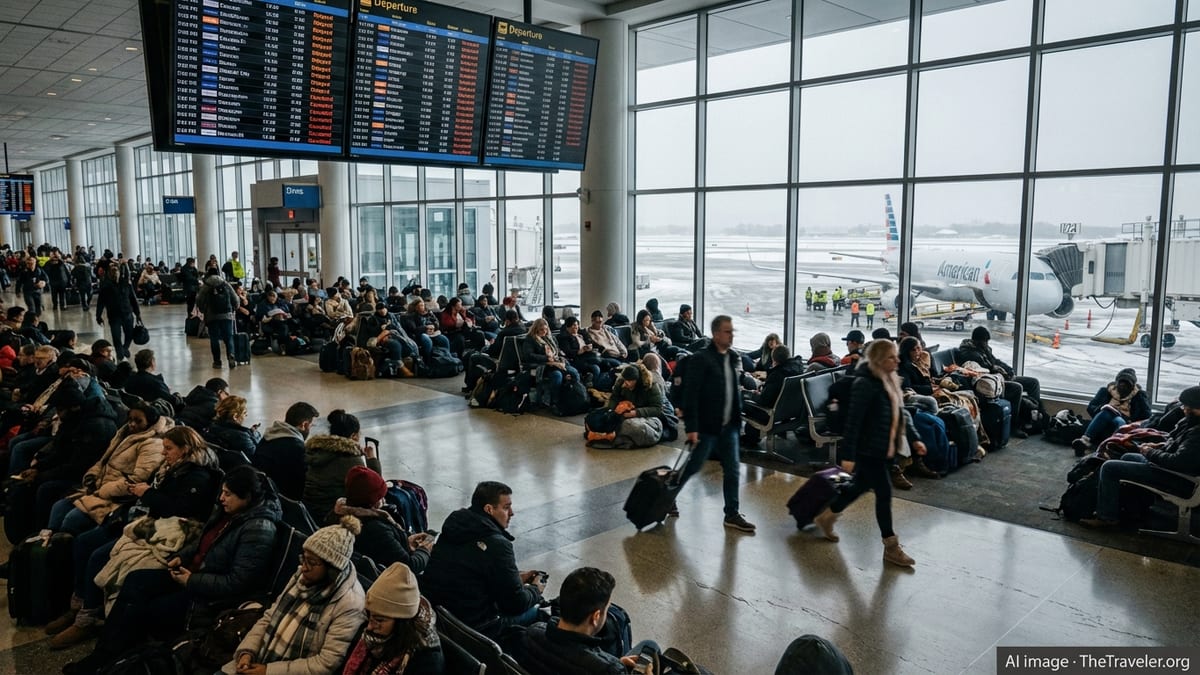
Cluster of Cancellations Hits Busy Summer Travel Day
Publicly available flight status boards for June 20 show at least six American Airlines departures or arrivals at John Wayne Airport listed as canceled, alongside a larger group of delayed flights. The disruptions appeared across the carrier’s network of domestic connections and cross border routes rather than on a single corridor, complicating rebooking options for travelers hoping to salvage their itineraries.
The affected services included flights tied to major Western gateways such as Phoenix and San Francisco, which function as critical links for passengers originating in Orange County. Additional cancellations were recorded on services connecting to inland states such as Utah and Minnesota, while reports of missed connections suggested knock on effects for passengers heading onward to Mexico and the Midwest.
The pattern of schedule changes emerged as the broader U.S. aviation system continued to operate under seasonal strain, with busy airports in the West seeing elevated delay times in recent days. While American Airlines had not publicly attributed the John Wayne cancellations to a single cause at the time of publication, industry data in recent months has frequently highlighted a mix of weather, air traffic flow programs and crew availability as recurrent triggers for similar disruptions.
Key Links to Phoenix, San Francisco and Oakland Affected
John Wayne Airport’s published traffic statistics list Phoenix and San Francisco among its most heavily used routes, with American Airlines playing a significant role in funneling Southern California passengers into those hubs. Interruptions on these corridors can therefore ripple outward quickly, affecting travelers who planned tight connections to other parts of the country or to international flights.
Delays and cancellations on Phoenix bound flights can be particularly consequential because the city functions as a major transfer point for American Airlines. Even a small number of canceled segments between Orange County and Phoenix can strand passengers who expected to continue to destinations such as Utah, Colorado or the central United States, forcing last minute itinerary changes, overnight stays or rerouting via alternative hubs.
Services touching the Bay Area also saw pressure. Oakland and San Francisco together handle a substantial share of Northern California traffic, and any disruption at John Wayne that affects these routes can limit options for travelers seeking to reposition to other carriers or to rail connections. With summer demand high, spare seats on short notice can be limited, extending the impact of each canceled departure.
Travelers Report Long Lines, Missed Connections and Rebookings
Posts shared on traveler forums and social media on June 20 described scenes of crowded check in areas and customer service counters at John Wayne as passengers sought new options after their flights disappeared from departure boards. Some travelers reported being moved to later American Airlines departures on the same day, while others indicated they were offered connections through alternative hubs that added several hours to their overall journey time.
Missed connections emerged as a recurring theme, particularly for passengers whose original plans involved tight transfers in Phoenix or other American hubs. When an initial leg from John Wayne was delayed or canceled, onward flights often departed as scheduled, leaving travelers to negotiate same day rebooking or, in some cases, overnight stays in hub cities. These secondary disruptions extended the impact beyond the Orange County airport and contributed to a rise in delay statistics across the broader network.
Some accounts described uncertainty at the gate as rolling delay estimates were repeatedly updated in small increments before a final cancellation decision appeared. This pattern, which has been noted in previous disruption events involving multiple carriers, can make it more difficult for travelers to decide when to seek alternate transportation or accommodation, particularly when they are unfamiliar with compensation policies or delay thresholds.
Operational Strain Mirrors Broader Airline Challenges
American Airlines has faced periods of heightened disruption during recent months as it works through the same constraints affecting much of the industry, including tight crew scheduling, busy hub operations and the cumulative impact of weather and air traffic control programs. Aviation news coverage in early 2026 has noted instances in which large blocks of the carrier’s schedule were canceled or significantly delayed on single days, reflecting how quickly strain in one part of the system can spread.
Industry analysts have pointed to several recurring stress points. When storms or low visibility conditions affect major hubs, ground operations can slow sharply, creating aircraft and crew imbalances that later appear as cancellations at outstations such as John Wayne. At the same time, continued high demand on peak travel days leaves less slack in the system, limiting the carrier’s ability to absorb irregular operations without visible impacts on the customer side.
The cluster of cancellations at John Wayne on June 20 fits within that broader context. While the precise mix of contributing factors remained unclear, the pattern of scattered disruptions across multiple routes suggested a network level challenge rather than a single localized issue. Observers noted that similar episodes at other airports earlier in the year often took a full day or more to unwind as aircraft and crews were repositioned.
What Impacted Travelers Can Do Next
For passengers whose American Airlines flights from John Wayne were canceled on June 20, publicly available guidance from consumer agencies and airline policy summaries emphasizes several immediate steps. Travelers are generally advised to check their flight status frequently using official channels, accept automatic rebooking when it keeps them reasonably close to their original arrival time, and explore alternative routings from nearby airports if John Wayne options are limited.
In cases where a cancellation leads to a significant schedule change or an extra overnight stay, passengers may be eligible for refunds or certain forms of assistance, subject to the cause of the disruption and the specific fare rules that apply. Travel insurance policies, where purchased, can also play a role in recouping costs for hotels, meals or missed portions of trips, particularly for long haul or international itineraries that were disrupted by the loss of a domestic feeder leg.
Consumer advocates often recommend that travelers document all expenses, maintain records of schedule changes and save boarding passes or screenshots of canceled flights. These materials can support later claims with airlines, credit card issuers or insurance providers. For those scheduled to fly through John Wayne or other busy Western airports in the coming days, monitoring conditions in advance and building extra time into itineraries can help reduce the risk that any further irregular operations will derail important connections.