


More news on this day
Washington’s airports are bracing for a dramatic reset in 2026 as American Airlines, United Airlines and Southwest Airlines simultaneously bulk up and reshuffle their networks around the U.S. capital, setting the stage for a sharp rise in flights, new long haul options and shifting passenger traffic patterns across Reagan National, Dulles and Baltimore/Washington.
Get the latest news straight to your inbox!
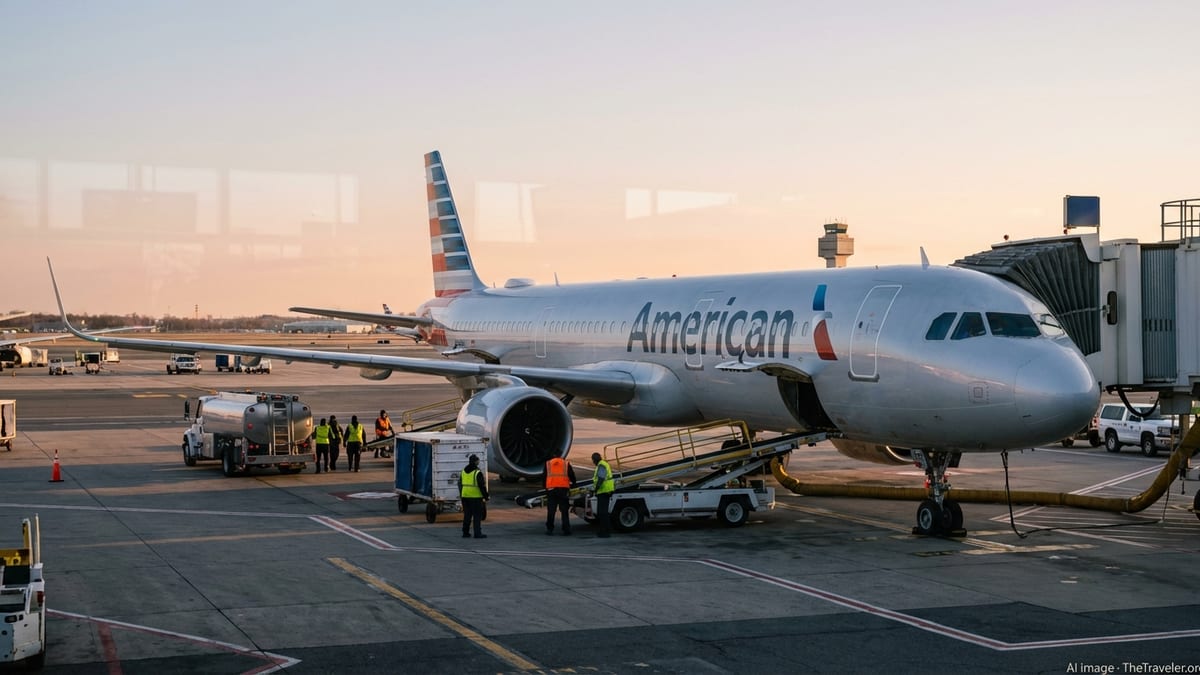
Policy Shifts and Slot Changes Unlock New Reagan National Flying
The next phase of growth at Ronald Reagan Washington National Airport is being shaped by federal policy as much as airline ambition. The Federal Aviation Administration Reauthorization Act of 2024 included a limited expansion of so‑called beyond perimeter slots at Reagan National, allowing a handful of new long distance flights from an airfield that has long capped most service to 1,250 miles. Subsequent filings and schedule updates show American using those scarce opportunities to open new links from the capital to high value business and political destinations, while rivals adjust their own activity around the new competitive reality.
Publicly available schedules for 2026 indicate that American is reinforcing its position as the dominant carrier at Reagan National with additional long haul routes such as new service to San Antonio, positioned as a politically connected, fast growing market that previously lacked nonstop access inside the perimeter constraint. Network analysts note that the move has triggered a fresh round of lobbying and market speculation over which cities could be next in line if Congress again revisits the slot and perimeter rules later in the decade.
Reagan National’s physical limitations remain unchanged, with tightly packed banks of regional jets, a fixed runway layout and chronic congestion at peak times. However, the incremental beyond perimeter flying and fine tuning of existing schedules for 2026 point to busier departure boards, slightly longer average stage lengths and a more nationally oriented role for an airport that for decades has functioned primarily as a short haul political shuttle.
United Bets Big on Dulles as International Gateway Powerhouse
Across the Potomac at Washington Dulles International Airport, United is preparing for one of its most significant growth spurts in years. Airline statements, investor materials and industry reports show that United expects to receive more than 100 new aircraft in 2026 and has specifically highlighted Dulles as a key beneficiary, with the airport’s long range runways, customs facilities and developing gate infrastructure suited to both widebody and longer range narrowbody operations.
United’s 2026 long haul schedule already includes new or returning nonstop flights from Dulles to Reykjavik and Nice, alongside a wider slate of transatlantic additions from its broader network that feed passengers into the Washington hub. Aviation industry coverage also points to seasonal service from Dulles to Quebec City in Canada and other North American additions, positioning the airport as a more finely balanced mix of domestic connector and international gateway rather than a primarily Europe focused spoke.
Crucially, Dulles is in the middle of a multi year terminal program that will hand United a substantial block of new gates from 2026 onward. Project descriptions and local authority presentations describe a new concourse opening with 14 gates, followed by a planned expansion to roughly 34 gates in a later phase. For United, that translates into the rare ability to layer new flights onto a hub without being constrained by physical space, a dynamic that could encourage further experimentation with secondary European cities, additional leisure long haul routes and more dense domestic scheduling into Washington.
Southwest Retreats from Dulles but Concentrates Firepower at BWI and National
While United accelerates at Dulles, Southwest Airlines is moving in the opposite direction. University travel bulletins and regional coverage indicate that Southwest will cease operations at Washington Dulles in June 2026, consolidating its Washington area footprint around Baltimore/Washington International and a smaller but symbolically important presence at Reagan National. The retreat reflects Southwest’s long term preference for point to point flying from airports with lower costs and fewer slot controls.
Schedule data for 2026 shows Southwest continuing to add and adjust routes at Baltimore/Washington, where the carrier already maintains a large base and benefits from a newly expanded concourse. At the same time, the airline has scheduled summer seasonal service between Dallas Love Field and Reagan National, taking advantage of demand for travel between the seats of federal and state power during peak months.
The net effect is a sharper division of labor among Washington’s three major commercial airports. Dulles is set to skew even more toward global and full service network flying anchored by United. Baltimore/Washington is emerging as the key low cost and Southwest stronghold for the region. Reagan National, meanwhile, is becoming a more premium, slot constrained field where Southwest can sustain only a limited footprint but still taps high yielding demand on a handful of business oriented routes.
American Uses National as a Political and Premium Stronghold
American’s strategy around Washington appears increasingly centered on protecting and monetizing its commanding position at Reagan National while complementing that with connectivity via other hubs, rather than attempting to compete head to head with United at Dulles. Publicly available schedule filings and airline commentary show that American is concentrating new flying at National on routes that align with government, defense and corporate traffic, such as key state capitals, large military markets and growing Sun Belt cities that produce both business and visiting friends and relatives demand.
Industry observers point out that American’s domestic tilt and emphasis on credit card and loyalty revenue make a slot constrained airport like National particularly valuable. Each new beyond perimeter pair can be optimized for high premium cabin sales, corporate contracts and connectivity to American’s broader network through other hubs. That model contrasts with United’s more global approach at Dulles and reinforces the sense that Washington is becoming a case study in differentiated strategies within a single metropolitan area.
As 2026 timetables continue to firm up, forward booking tools and travel agency dashboards suggest that American’s tweaks at National are already influencing traveler behavior. Some passengers are shifting to longer nonstop options from National that bypass connections, while others gravitate toward Dulles to capture United’s broader intercontinental choices. The resulting pattern is a more segmented but overall larger Washington origin and destination market.
Regional Impact: More Seats, More Choice and Intensified Competition
For travelers in the greater Washington and mid Atlantic region, the combined moves by American, United and Southwest point to a significant increase in available seats and routing options in 2026. Industry data providers tracking schedules and capacity show steady growth in announced frequencies to key domestic markets, additional nonstop international options and a wider spread of low cost service from Baltimore/Washington that undercuts legacy airline pricing on many leisure routes.
Airport authorities and regional economic groups have framed the expansions as a competitive asset, arguing that greater connectivity strengthens Washington’s role as both a political and commercial center. More direct links to Europe, Canada and select long haul destinations are expected to support tourism, international organizations and the region’s growing technology and life sciences sectors. At the same time, the reshuffling of airline positions has sparked debate over noise, congestion and resilience, particularly at slot constrained Reagan National.
Looking ahead to the 2026 summer and winter peaks, publicly available booking trends suggest that Washington’s airports are on course for some of their busiest months on record. If aircraft deliveries, terminal projects and regulatory frameworks stay on track, American, United and Southwest appear poised to turn the capital region into one of the most hotly contested and rapidly evolving air travel markets in the United States.