

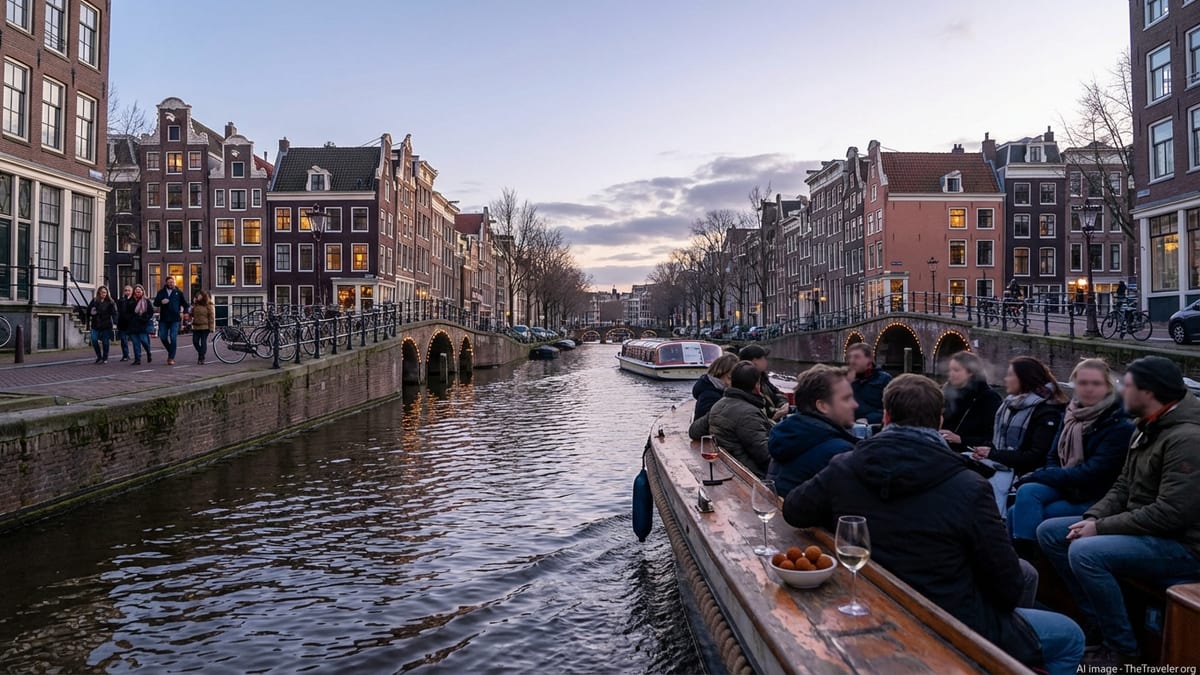
Amsterdam may be compact, but few European cities pack such a variety of tours into such a small footprint. From intimate canal cruises on quiet side canals to blockbuster museum visits and story-rich walking tours, the best experiences help you see beyond the postcard views and understand how the city really works. Choosing wisely matters, especially as Amsterdam continues to wrestle with overtourism and tight local regulations that affect where and how tours can operate.
How to Choose Amsterdam Tours That Are Actually Worth Booking
With hundreds of options competing for your time and money, it helps to know what separates genuinely worthwhile Amsterdam tours from generic, high-volume experiences. In 2026, the trend is clear: smaller groups, deeper storytelling, and responsible practices that respect local residents are what many travelers are seeking out. Looking for those qualities will steer you toward tours that feel personal and memorable, rather than rushed and crowded.
Before booking activities, many visitors want clarity on whether Amsterdam is worth visiting beyond the highlights. Water-level views give you a sense of the city’s layout, while walking and cycling tours immerse you in everyday life. Museum tours can cut through the lines and provide context in institutions that would otherwise feel overwhelming. Balancing one of each often makes for a well-rounded itinerary.
Key Factors to Weigh Before You Book
Several practical details can greatly affect your experience on an Amsterdam tour, especially in peak months when the city center is congested and popular attractions sell out in advance.
- Group size: Look for caps of 10–15 guests for walking and cycling tours, and under 20 for canal cruises, if you value interaction and clear commentary.
- Departure point: Many quality tours now depart just outside the most crowded blocks to ease pressure on neighborhoods; factor this into your planning time.
- Timing: Early morning and late evening departures can mean calmer waterways, quieter museum galleries, and more relaxed walking routes.
- Seasonality: Covered, heated boats and e-bikes matter in colder months, while open-deck boats and evening walks shine in late spring and summer.
- Language and accessibility: Check language offerings and whether tours are accessible if you use a stroller, wheelchair, or mobility aid.
Canal Cruises: Classic, Boutique, and Nighttime Experiences
Canal cruises remain the defining Amsterdam experience and for good reason. The 17th-century canal belt is a UNESCO World Heritage site, and seeing it from the water reveals how the city was engineered, expanded, and defended. The market ranges from large, covered boats with audio headsets to intimate small-group vessels with live commentary and onboard drinks. Choosing the right type of cruise makes the difference between a quick check-the-box outing and a highlight of your trip.
Small-Group Canal Cruises on Electric Boats
In recent years, small-boat operators using silent electric vessels have become some of the most sought-after canal experiences in Amsterdam. These boats tend to carry around 12 to 15 passengers, offering a relaxed atmosphere where you can easily ask questions, hear your guide, and enjoy mostly unobstructed views. Some companies have climbed to the top of review rankings by combining personable local skippers with generous onboard hospitality, including Dutch snacks like bitterballen and unlimited drinks on two-hour routes through the inner canals.
These cruises typically prioritize quieter waterways away from the busiest moorings, weaving through stretches of the Herengracht, Keizersgracht, and Prinsengracht canals while also dipping into smaller side canals that larger vessels cannot access. Many operate year-round with adaptable setups: open and breezy in warm weather, fully covered and heated in winter or rain. For travelers who want a sociable, story-driven experience rather than a mass-market tour, this format is particularly appealing.
Classic City Canal Cruises With Audio Commentary
The staple of Amsterdam tourism remains the classic one-hour canal cruise aboard a larger covered boat, often departing from major hubs near Centraal Station and along the Damrak. These vessels can feel busy during the high season, but they are efficient if you are short on time or traveling with a mixed-age group that appreciates predictable comfort and straightforward narration.
Most provide multi-language audio guides that cover the history of the canal ring, the Golden Age trading boom, the gabled canal houses, and more recent developments in architecture and city planning. They often include glass roofs for panoramic views, though reflections can be tricky for photographers. If cost is a key factor, these cruises usually offer competitive prices compared with small-group boats, particularly with day passes that bundle public transport and a canal ride.
Evening and Night Canal Cruises
Evening canal cruises are a strong choice for travelers seeking atmosphere rather than hard historical detail. As dusk settles, bridges light up, canal houses glow from within, and the water takes on a reflective sheen that gives the city a theatrical quality. Night cruises often emphasize storytelling about local life, culture, and contemporary issues, and many feature wine, cocktails, or tasting platters tailored to the relaxed setting.
In winter, evening cruises can be especially evocative as the city leans into warm interior lighting and twinkling reflections, though you will want a boat with heating or blankets. During festivals that incorporate light installations along the canals, night cruises can sell out well ahead of time, so advance booking is essential if your visit coincides with special events.
Themed and Specialty Canal Tours
For travelers who have already ticked off a general city cruise, themed tours can add another dimension to the waterways. Some operators now run architecture-focused routes highlighting examples of Amsterdam School brickwork, post-war housing experiments, and cutting-edge waterfront development. Others explore the harbor and contemporary industrial zones, framing Amsterdam as a living port city rather than a purely historic destination.
A growing niche focuses on sustainability, with operators emphasizing low-impact boats, local partnerships, and transparent information about overtourism. These tours can offer a candid look at how the city is reshaping its relationship with visitors, making them an insightful option if you are interested in urban planning or responsible travel practices.
Museum Tours: Rijksmuseum, Van Gogh, and Beyond
All these tours make more sense after reviewing the core things to do in Amsterdam. Amsterdam’s museums receive millions of visitors every year, and the busiest institutions can feel overwhelming without guidance. Structured tours, especially those that limit group size and provide timed-entry access, can help you see more while spending less time in queues. In 2026, the Rijksmuseum, Van Gogh Museum, and Anne Frank House continue to anchor most itineraries, while contemporary spaces and smaller museums add variety for repeat visitors.
Rijksmuseum Highlights and In-Depth Tours
The Rijksmuseum is the national showcase for Dutch art and history, with a collection that ranges from medieval altarpieces to 20th-century design. It regularly ranks among the most visited museums in the Netherlands, and recent announcements of a future Eindhoven outpost underline just how much material remains in storage compared with what is on display. Inside the main Amsterdam building, it is easy to lose focus without a plan.
Guided tours help by navigating directly to headline works such as Rembrandt’s “The Night Watch” and Vermeer’s “The Milkmaid,” then linking them to broader themes: the rise of Dutch trade, the social realities behind the Golden Age, and the evolving portrayal of everyday life. Many tours group entries into morning and early afternoon slots to avoid the densest crowds, spending roughly two hours in the galleries with time afterward to revisit favorite pieces independently.
Van Gogh Museum: Timed Entry and Expert Context
The Van Gogh Museum holds the largest collection of Vincent van Gogh’s works in the world, including iconic self-portraits, sunflower paintings, and landscapes that trace the artist’s rapid stylistic evolution. Timed tickets are mandatory and often sell out days or weeks ahead, especially in spring and summer, making a guided tour or combined ticket an efficient way to secure entry.
Well-structured tours move chronologically through Van Gogh’s career, linking his letters, mental health struggles, and experimentation with color to the works on the walls. With visitor numbers remaining high, smaller groups provide real benefits: you are more likely to hear the guide clearly in popular rooms and to pause in front of major works rather than being swept along. Many tours last between 90 minutes and two hours, after which you are usually free to explore the collection or temporary exhibitions further.
Modern and Contemporary Art at the Stedelijk and Moco
For travelers looking beyond the Golden Age, Amsterdam’s modern and contemporary art museums have seen robust attendance in recent years. The Stedelijk Museum continues to attract substantial visitor numbers, with 2023 and 2024 attendance figures in the hundreds of thousands, reflecting an ongoing appetite for 20th- and 21st-century art and design. Its permanent collection includes works by key European and American artists, as well as thought-provoking design objects and media installations.
Smaller-group tours at the Stedelijk help decode movements such as De Stijl, CoBrA, and conceptual art, which can otherwise feel opaque. Just outside, the Moco Museum has positioned itself as an accessible gateway to contemporary and street art, drawing more than half a million visitors in 2024 and particularly appealing to younger audiences. Tours here often highlight popular names in street art and immersive digital installations, making it a lively counterpart to the more traditional institutions on Museumplein.
Anne Frank and Jewish History Experiences
While the Anne Frank House focuses on a single story, the broader Jewish Cultural Quarter and associated walking tours provide crucial context about the city’s Jewish history, wartime deportations, and postwar recovery. Structured tours typically begin with a guided walk through sites related to Amsterdam’s Jewish community, then either include or complement a timed entry visit to the Anne Frank House itself.
These experiences can be emotionally heavy, but they remain among the most meaningful tours in the city. Because demand is high and capacity inside the Anne Frank House is limited, it is important to book far in advance and to check whether a tour includes the actual museum ticket or simply provides guidance and context outside.
Walking Tours: History, Neighborhoods, and Food
Amsterdam is a compact, walkable city where much of the pleasure comes from wandering the canal belt, side streets, and courtyards at ground level. Guided walking tours offer a strong introduction, especially for first-time visitors navigating the dense historic core. Tour formats range from tip-based “free” walks to paid small-group experiences focused on specific themes such as architecture, food, or social history.
Historic Center and Canal Belt Tours
Classic city walking tours usually begin around Dam Square, the Jordaan, or another central landmark before looping through the heart of the canal belt. Guides cover the origins of Amsterdam as a trading town, the engineering feats behind its canals and polders, and the way mercantile wealth shaped the gabled houses that still dominate the cityscape. These walks typically last two to three hours and provide a useful mental map for the rest of your stay.
Some operators emphasize lesser-known courtyards, hidden churches, and side canals rather than the busiest streets, giving you a more intimate view of residential life. Others focus on the evolution of the port and the city’s relationship with water, a recurring theme in Amsterdam’s history and present-day climate adaptation efforts.
Red Light District and Social History Walks
The area known as De Wallen, Amsterdam’s largest and oldest red light district, remains one of the city’s most famous and controversial neighborhoods. It comprises a tight network of alleyways, canals, and squares, including the historic Oudekerksplein, where sex work, nightlife, and centuries-old architecture exist side by side. City authorities have tightened rules in recent years in response to overtourism and concerns about public order, including bans on guided tours that pass directly through the most sensitive streets.
As a result, reputable walking tours that address the red light district today tend to focus on social history and policy rather than voyeurism. Many start on the fringes of De Wallen and weave in educational stops, such as the Prostitution Information Center, which was created to provide accurate information about sex work and to counter misconceptions. These tours explore how Amsterdam moved from informal tolerance to national legalization of prostitution in 2000 and how current debates about relocation, zoning, and working conditions are unfolding.
Food and Neighborhood Tastings
Food-focused walking tours have expanded in recent years, reflecting travelers’ curiosity about Dutch staples and international influences. These experiences typically combine sit-down tastings and quick street bites in neighborhoods known for their culinary diversity, such as De Pijp, the Jordaan, or the streets around the Albert Cuyp Market.
Expect a mix of classic local items, which might include cheeses, herring, Indonesian or Surinamese dishes, and Dutch sweets, along with stories about immigration, trade, and everyday food culture. A good food tour balances portions with walking time and avoids long queues that can eat into your schedule, making it a convenient way to sample a wide range of flavors without having to research each spot on your own.
Themed Walks: Architecture, LGBTQ+ History, and Street Art
Beyond the broad overviews, smaller operators increasingly offer themed walks that zero in on Amsterdam’s architecture, LGBTQ+ history, or street art. Architecture-focused itineraries often trace the development from medieval churches and warehouses to canal houses, 19th-century expansion neighborhoods, and 20th-century social housing projects. They appeal to travelers who want to understand how design choices reflect economic cycles and political priorities.
LGBTQ+ history walks explore the city’s pioneering role in rights movements, nightlife history, and contemporary culture, often combining landmark visits with personal narratives from guides. Street art tours, meanwhile, reveal murals and interventions tucked away on side streets and in converted industrial areas, linking local work with global urban art movements. These smaller, niche walks are best suited to travelers who already know the basics and are ready to go deeper into a specific subject.
By Bike and Beyond: Cycling and Countryside Tours
The bicycle is central to everyday life in Amsterdam, and guided rides offer a way to experience the city the way many locals do. For visitors, though, cycling here can feel intimidating, especially in the densest parts of the center where bike lanes, trams, and cars intersect. Structured bike tours help by selecting safer routes and pacing the ride to the group’s abilities, whether you prefer urban exploration or a taste of the countryside.
City Bike Tours Through Hidden Neighborhoods
Urban bike tours aim to show a side of Amsterdam that many canal-cruise-only visitors miss. Established operators schedule daily rides that avoid the busiest streets around Centraal Station in favor of broader lanes and quieter neighborhoods. Routes often take in modern residential districts, canalside parks, and street art corridors, with frequent stops to discuss local history, urban design, and community life.
Typical city rides last around three hours and cover a comfortable distance for most participants. Helmets may be optional but are usually available, and guides keep an eye on group spacing at intersections and tram crossings. These tours are especially rewarding if you are curious about how contemporary residents live, commute, and socialize beyond the museum quarter and historic core.
Countryside Bike Tours to Windmills and Farms
Cycling just beyond Amsterdam’s edges reveals why the city and its surrounding region are often likened to a living water-management classroom. Countryside bike tours venture into low-lying farmland, polder landscapes, and small villages within a short ride of the center. Some short-format experiences, around two and a half hours long, are marketed as “express” tours that give you quick exposure to windmills, farm fields, and views across the Dutch lowlands within a half day.
Other, longer countryside rides use e-bikes to make distances more manageable and incorporate visits to working cheese farms, clog workshops, and traditional windmills in the Waterland region north of the city. Established outfits that have been operating for years emphasize safety briefings, small groups, and routes that minimize time on busy roads, making them suitable for reasonably confident cyclists who want a deeper impression of the Dutch landscape and its long relationship with water control.
Practical Tips for Joining a Bike Tour
To get the most from a cycling tour in or around Amsterdam, it pays to assess your comfort level honestly. If you have not cycled in traffic for some time, you may prefer a countryside-focused tour or an itinerary at quieter times of day. E-bikes are increasingly available and can help with headwinds and longer stretches, though you should factor in their extra weight and acceleration.
- Wear layers and bring a light waterproof shell, as weather can shift quickly even in summer.
- Check whether the tour includes insurance and what is covered for rented bikes.
- Ask about child seats or cargo bikes if traveling with young children.
- Confirm maximum group size, which often ranges from 10 to 15 riders for quality experiences.
Combined and Specialty Tours: Making the Most of Limited Time
Many visitors have only a few days in Amsterdam, making it appealing to pair experiences into single, efficient outings. Tour companies have responded with combined tickets that link canal cruises, museum visits, and guided walks under one booking, reducing the administrative burden and sometimes saving money compared with buying each element separately.
Canal Cruise and Museum Combinations
One of the most popular formats pairs a timed-entry museum ticket with a canal cruise on the same or next day. Common combinations link the Rijksmuseum or Van Gogh Museum with a classic or small-group canal tour, giving you a balance of indoor and outdoor perspectives. These packages can be especially convenient during peak months, when canal operators and museums both experience high demand and sell out certain slots.
When evaluating combined offers, look closely at timing. Ideally, you want museum entries in the morning or early afternoon, when your energy is highest, followed by a more relaxed canal cruise. Check whether transport between departure points is clearly explained, since many visitors underestimate walking times across Museumplein and the central canal ring.
Day Trips and Regional Extensions
Amsterdam also functions as a hub for day tours to regional highlights such as traditional fishing villages, bulb fields in spring, and historic towns along the IJsselmeer. These excursions typically bundle transport, local guiding, and free time in one or two locations outside the city. While they fall slightly outside the core theme of canal, museum, and city walking tours, they are worth considering if you want a broader impression of the Netherlands without organizing trains and buses on your own.
Combination itineraries might, for instance, couple a morning countryside bike ride with an afternoon visit to a nearby town, or link a canal cruise with an evening food tour. As with city-based offerings, smaller groups and transparent pacing often lead to better experiences than all-in-one buses that attempt to cover too many stops in one day.
Responsible and Educational Specialty Tours
Responding to concerns about overtourism, several operators now market tours explicitly framed around sustainability and local impact. These can include neighborhood walks with resident associations, tours focused on the city’s climate adaptation strategies, or in-depth looks at how Amsterdam is reshaping its nightlife and red light policies. While less flashy than a standard sightseeing circuit, they provide valuable context about the tensions and trade-offs of living in a highly visited city.
Educational specialty tours appeal particularly to travelers interested in urbanism, social policy, or cultural studies. They are often capped at small group sizes and led by guides with academic or professional backgrounds in relevant fields, which can make for dense but rewarding conversations as you move through the city.
The Takeaway
Amsterdam’s most rewarding tours do more than tick attractions off a list. Whether you are gliding beneath stone bridges on a quiet electric boat, standing before a Rembrandt with a guide who can unpack its layers, or cycling past windmills and farm fields just beyond the ring road, the experiences that stand out are those that combine strong storytelling with thoughtful pacing and respect for the city’s residents.
In practical terms, that often means choosing small-group canal cruises over mass-market boats, opting for guided museum visits when tackling blockbuster collections, and joining walking and cycling tours that consciously step away from the most crowded corridors. Booking key elements, especially top museums and popular evening cruises, well in advance helps ensure you are not left relying on whatever happens to be available on the day.
Amsterdam continues to evolve, with new museum projects, revised regulations in sensitive neighborhoods, and an ongoing conversation about how tourism fits into local life. Approaching its tours as chances to listen and learn, rather than just to look, will not only deepen your understanding of the city but also support operators committed to making its stories accessible in a sustainable way.
FAQ
Q1. Do I need to book Amsterdam canal cruises in advance?
Booking in advance is strongly recommended, especially from April through October and around holiday periods, when prime-time departures on popular small-group and evening cruises frequently sell out several days ahead.
Q2. Which is better: a small-group canal cruise or a larger boat with audio guide?
Small-group electric boats typically offer a more personal, conversational experience with flexible routes and better views, while larger audio-guided boats are usually cheaper and more widely available but can feel crowded and less interactive.
Q3. How far ahead should I book tickets for the Van Gogh Museum and Rijksmuseum?
For peak seasons and weekends, it is wise to secure timed-entry tickets or guided tours at least one to two weeks in advance, and even earlier if your schedule is tight and you need specific time slots.
Q4. Are walking tours of the Red Light District still allowed?
Regulations have tightened, and direct guided tours through the busiest streets of the red light district have been restricted, so reputable operators now focus on nearby routes and educational content about sex work policy and local history rather than spectacle.
Q5. Is cycling in Amsterdam safe for inexperienced riders?
Cycling is integral to local life, but the central streets can feel intense for beginners, so inexperienced riders are often better off joining guided tours that favor quieter routes or opting for countryside bike tours where traffic is lighter.
Q6. Are Amsterdam museum tours suitable for children?
Many museum tours can work well for older children and teens, particularly those that focus on storytelling and visual highlights, but very young children may find long guided visits tiring, so shorter or family-specific options are preferable.
Q7. What should I wear on canal cruises and bike tours?
Dress in layers, as weather can change quickly, and bring a light waterproof jacket; comfortable flat shoes are important for both boat decks and cycling, and in cooler months hats and gloves make outdoor tours more enjoyable.
Q8. Can I join tours if I have limited mobility?
Accessibility varies, but some canal boats, museums, and walking operators can accommodate guests with limited mobility, so it is essential to check access details and step-free options with each provider before booking.
Q9. Are tip-based “free” walking tours really free?
These tours do not charge an upfront fee but operate on a pay-what-you-wish model, so guests are expected to leave a tip that reflects the value of the experience and local cost of living.
Q10. How many guided tours should I plan for a three-day stay in Amsterdam?
For a three-day visit, many travelers find a good balance in booking one canal cruise, one major museum tour, and one walking or cycling tour, leaving additional time for independent wandering and spontaneous discoveries.