

More news on this day
Amtrak is reshaping its largest-ever equipment program with a new procurement strategy for long-distance trains that leans on standardization and faster replacement of aging railcars, setting the stage for a sweeping upgrade of overnight and cross-country service in the United States.
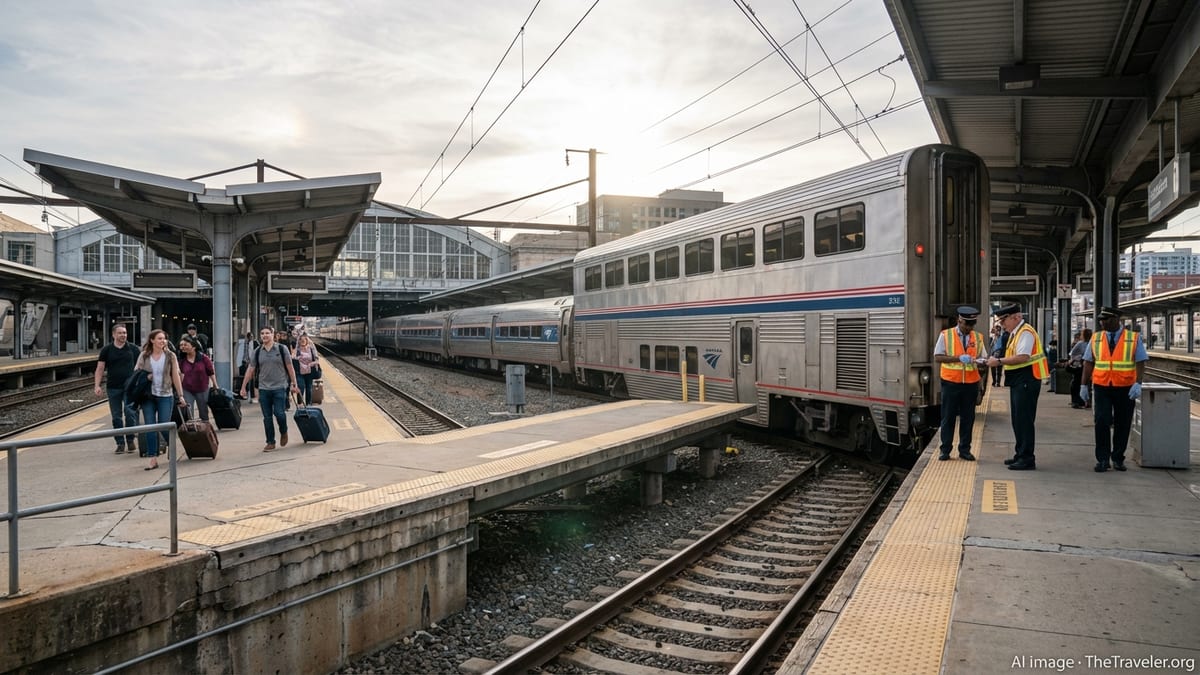
Standardization at the Core of Amtrak’s New Plan
Amtrak’s revised long-distance fleet strategy, announced this week, pivots decisively toward a standardized approach intended to lower risk, open the door to more manufacturers and shorten the timeline for replacing cars that in many cases are more than four decades old. Company leaders say the new plan responds directly to lessons learned from earlier, more bespoke design efforts that proved costly and slow to advance.
Instead of pursuing a complex mix of unique car designs and a hybrid fleet of bi-level and single-level equipment, Amtrak now aims to simplify specifications and consolidate around a universal long-distance platform. Executives argue that this shift will make it easier for carbuilders to bid, reduce engineering and testing hurdles, and improve reliability once the trains are in service. It also gives the railroad a clearer path to phasing out its workhorse Superliner and Viewliner cars while maintaining service on 14 overnight routes.
The change comes as Amtrak’s long-distance fleet replacement is emerging as one of the most ambitious passenger-rail procurements in U.S. history, backed in part by billions of dollars from the 2021 federal infrastructure law. By emphasizing standardization, the company is signaling to industry that it wants off-the-shelf solutions adapted for American standards, rather than one-off showcase designs.
Amtrak officials say the goal is to keep the first new long-distance cars on track for delivery in the early 2030s while accelerating the overall pace of fleet renewal beyond what earlier, more complex plans could realistically support.
Responding to Early Setbacks and OIG Warnings
The recalibrated strategy follows critical scrutiny from Amtrak’s Office of Inspector General, which in late 2024 warned that the long-distance fleet program faced elevated schedule and cost risks. The watchdog found that early design ambitions, including premium amenities and complex accessibility features, contributed to months of delay even before manufacturing contracts were awarded.
Those findings echoed broader industry concerns about the feasibility of Amtrak’s initial bi-level replacement plans. Carbuilders and advocates cautioned that highly customized designs could clog engineering pipelines, strain domestic production capacity and complicate regulatory approvals. For a fleet program expected to cost billions of dollars and extend over more than a decade, even modest slippages would ripple through Amtrak’s wider capital agenda.
By moving toward a more standardized platform and rethinking how requirements are packaged, Amtrak is attempting to reset expectations with both regulators and manufacturers. The company says it has incorporated extensive feedback from carbuilders and federal partners into the new procurement framework, with the aim of de-risking the program before contracts are signed.
The strategy also reflects a recognition that the existing long-distance cars, many of which date to the early 1980s, cannot be nursed along indefinitely. While Amtrak is continuing short-term refresh and life-extension work on Superliner and Viewliner equipment, internal analyses have underscored the need for a clearer replacement path to avoid reliability problems later in the decade.
Accelerated Replacement for an Aging National Network
At the heart of Amtrak’s announcement is a promise to accelerate the pace at which long-distance equipment is retired and replaced. The company’s fleet of about 765 long-distance cars includes Superliner I coaches and sleepers that average more than 40 years in age, far beyond what many passenger operators consider a typical service life.
Amtrak has already invested tens of millions of dollars in refreshing interiors, restoring stored cars and upgrading lighting, seating and finishes on both bi-level Superliners and single-level Viewliners. Those efforts have bought time, but they are ultimately a bridge to a wholesale fleet changeover. The new procurement strategy is designed to bring that transition forward, reducing the window in which Amtrak must rely heavily on life-extended equipment.
Company leaders say they will continue to assess the condition of the existing fleet route by route, identifying which cars can be kept in service safely and economically until new trains arrive. However, they acknowledge that an accelerated replacement curve is now central to sustaining reliable long-distance service, particularly on western routes that endure harsh climates and long mileage between major maintenance hubs.
For passengers, the payoff is expected to be substantial: more consistent onboard layouts across routes, improved accessibility for passengers with disabilities, and modern sleeping accommodations and food service that align with evolving expectations for overnight travel.
Integrating Long-Distance Upgrades With a Broader Fleet Modernization
The long-distance overhaul is only one pillar of a broader equipment strategy that Amtrak brands as a new era for its fleet. On the Northeast Corridor, the railroad has begun operating its NextGen Acela high-speed trains, while the Siemens-built Amtrak Airo trainsets are scheduled to begin rolling out on state-supported and corridor routes starting in 2026.
Those programs have given Amtrak recent experience managing large, multi-year equipment contracts and coordinating with domestic manufacturing partners. Officials say the new long-distance strategy will leverage similar lessons, including the value of standardized components, modular interiors and common maintenance practices that can be shared across fleets.
Amtrak continues to take delivery of new ALC-42 long-distance locomotives as part of its modernization push, and many of those units are already hauling existing Superliner and Viewliner consists. The intent is for today’s new locomotives to migrate seamlessly to tomorrow’s standardized long-distance cars, providing continuity in performance and emissions benefits even as the passenger cars change.
By aligning its long-distance procurement with this broader framework, Amtrak is also reinforcing its commitment to domestic manufacturing. The railroad says the vast majority of its fleet investments are being sourced from U.S.-based plants and suppliers, a requirement tied to federal funding as well as a political priority for members of Congress whose districts host rail manufacturing jobs.
Implications for Travelers and the Future of Rail in the U.S.
For travelers, the strategy shift will not deliver immediate transformations on long-distance trains, which will continue to rely on refreshed but aging equipment through the rest of the decade. However, the new procurement path offers more clarity on when and how passengers might see change, particularly as Amtrak works toward awarding contracts for the next-generation fleet.
Passenger advocates say a standardized long-distance platform could make it easier for Amtrak to add or adjust services in response to demand, since cars would be more interchangeable between routes. A common design could also help streamline crew training and maintenance, potentially improving on-time performance and reducing out-of-service disruptions caused by parts shortages or unique design issues.
At the same time, the accelerated replacement plan will test Amtrak’s ability to manage overlapping megaprojects while maintaining day-to-day reliability. The company must juggle tunnel and bridge replacements, station upgrades, and corridor fleet introductions alongside its long-distance overhaul, all within finite workshop capacity and federal oversight.
Still, supporters argue that the stakes justify the ambition. Long-distance trains remain a crucial mobility link for rural communities and smaller cities across the country, offering an alternative to long drives and limited air service. If Amtrak can execute its new, more standardized procurement strategy as promised, the result could be a quieter but far-reaching transformation of overnight rail travel in the United States.