

More news on this day
Early April has brought a new wave of aviation disruption across Europe, with tracking data and media reports indicating thousands of delayed flights and scores of cancellations that have left hundreds of passengers stranded at major hub airports from Amsterdam to Istanbul.
Get the latest news straight to your inbox!
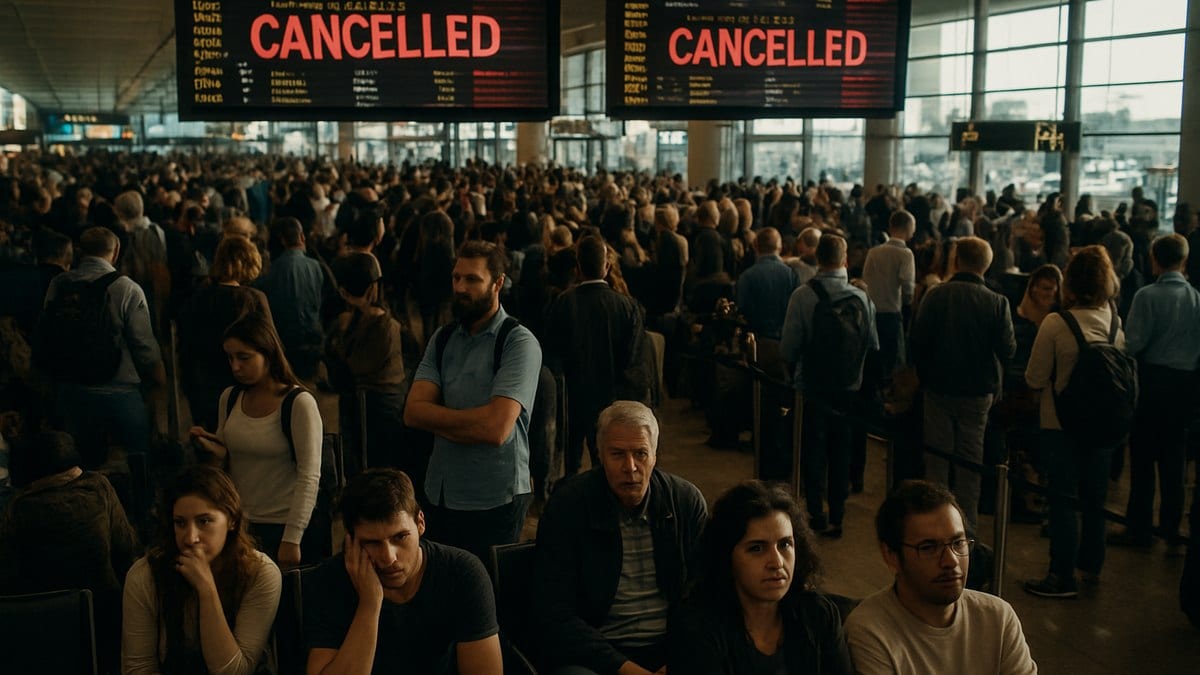
Wave of Disruptions Hits Key Airports in Early April
Publicly available data compiled over the first week of April 2026 shows a sharp rise in delays and cancellations at Europe’s busiest airports, compounding pressure on a network already strained by winter storms and rerouted long haul traffic. Recent coverage of operations at hubs including Amsterdam Schiphol, Paris Charles de Gaulle, Rome Fiumicino, Dublin and Heathrow has highlighted clusters of late running flights, missed connections and overnight strandings as aircraft and crews fall out of position.
Travel industry outlets reported that on April 7 alone, more than 1,400 flights were delayed and at least 20 canceled across a swath of European countries, from England and Ireland to Italy, Portugal, Denmark and Switzerland. Amsterdam Schiphol and Zurich recorded multiple cancellations, while Rome, Lisbon, Paris and London airports logged triple digit delay counts, reflecting how local bottlenecks are rapidly feeding into a wider regional slowdown.
Further figures published on April 9 point to more than 1,600 delays and nearly 40 cancellations concentrated at hubs in Spain, Germany, England, Denmark, Türkiye and the Netherlands. Berlin, Madrid, Copenhagen, Istanbul and London all experienced knock on impacts, with some airlines adding recovery services while others trimmed schedules to stabilize operations. For passengers, the result has been long queues at customer service desks and last minute scrambles to rebook itineraries.
Fuel Shock and Conflict Rerouting Tighten Capacity
The immediate airport level disruption is unfolding against a broader backdrop of geopolitical tension and a sharp rise in jet fuel prices. Industry focused analyses published this week note that conflict related restrictions in and around the Strait of Hormuz have pushed oil and jet fuel costs sharply higher since late February. Airlines in parts of Europe that rely heavily on imported fuel have begun cutting frequencies on marginal routes and consolidating flights in an effort to conserve stocks and protect profitability.
At the same time, ongoing airspace closures and advisories linked to the conflict in the Middle East are forcing many long haul services between Europe and Asia to fly longer, more southerly routes. Travel advisories and independent tracking data indicate that flights which previously overflew affected regions are now operating with extended block times or making technical stops in alternative hubs. These changes reduce the number of daily rotations that a single aircraft and crew can complete, leaving fewer spare jets to backfill when something goes wrong elsewhere in the network.
Consultancy reports on air travel demand in 2026 underline how little slack remains in the European system. Even before April’s wave of disruption, analysts estimated thousands of cancellations per month across Europe tied to a mix of air traffic control delays, crew availability challenges and weather related constraints. The current jet fuel and routing pressures are magnifying those underlying vulnerabilities, turning what might once have been isolated bad days into multi day episodes of irregular operations.
Weather, ATC Bottlenecks and Systemic Strain
Spring weather has added another layer of complexity. The 2025 to 2026 European windstorm season has already produced severe episodes such as Storm Anna in January, which temporarily shut down hundreds of flights at Amsterdam and disrupted services at Paris and regional airports. Early April has brought further unsettled conditions, with crosswinds and low visibility affecting coastal and North Atlantic facing airports, including Dublin and parts of the United Kingdom.
Longer term structural issues around air traffic management are also feeding into the current chaos. A recent briefing from the International Air Transport Association highlighted that air traffic flow management delays in Europe have more than doubled over the past decade, even as passenger demand has climbed. Separate Eurocontrol overviews show that traffic volumes on many intra European routes are now at or above pre pandemic levels, while flows between Europe and certain conflict affected regions have fallen sharply, forcing more aircraft into already congested corridors.
Union and industry reports published over the past year have repeatedly cited chronic staffing shortages at some air navigation service providers, capacity constraints at overscheduled hubs and increasingly complex rerouting around conflict zones as key drivers of delays. April’s events are illustrating how these elements interact: when weather briefly limits runway use or a technical fault hits a busy terminal, there is often no spare air traffic control capacity or empty slot later in the day to absorb the backlog, leading to cascading cancellations.
Passenger Impact at Major European Hubs
The human impact of the April disruptions has been most visible at Europe’s largest transfer points. Coverage from aviation specialist outlets describes passengers sleeping in terminal seating areas at Schiphol and Rome Fiumicino after evening departures were canceled or missed connections left travelers without available seats until the following day. In Istanbul and Madrid, high load factors on already busy routes limited rebooking options, stranding some travelers far from their final destinations.
Reports from consumer rights groups and compensation platforms indicate a surge in inquiries from affected passengers seeking guidance on European Union air passenger rights regulations. Many travelers caught in the April chaos fall under rules that can offer meals, hotel accommodation or financial compensation in the event of long delays and cancellations, depending on the circumstances. However, the interplay between airline responsibility, extraordinary circumstances and third country airspace closures has created a complex landscape for claims.
Social media posts and forum discussions have also highlighted the uneven experience between carriers and airports. While some airlines have deployed additional customer service staff and proactively rebooked travelers via alternative hubs, others have relied heavily on automated notifications and self service tools that struggle under peak load. At several airports, the volume of disrupted passengers appears to have outpaced available hotel rooms within easy reach, particularly during overnight curfews that limit late departures.
What Travelers Can Expect for the Remainder of April
Looking ahead, aviation analysts caution that the underlying drivers of the current disruption are unlikely to disappear quickly. Jet fuel markets remain volatile, conflict related airspace restrictions are still in place, and structural capacity constraints in European air traffic management are the subject of ongoing policy debate rather than immediate fixes. Seasonal demand is also set to rise through late April and into May as leisure travelers return to the skies for spring holidays and early summer breaks.
Forecasts from Eurocontrol and industry forecasters suggest that traffic levels will continue to edge higher across most intra European routes, even as flows to and from the Middle East remain suppressed. That combination raises the risk of further days of intense disruption if bad weather, technical incidents or local labor actions occur at one of the continent’s primary hubs. The experience of early April indicates that even a modest spike in delays at one airport can swiftly propagate across multiple countries as aircraft and crews miss their next rotations.
Travel advice published by airlines, airports and consumer organizations in recent days has focused on practical steps for passengers to reduce risk. Common recommendations include choosing longer connection times at busy hubs, favoring early morning departures that are less exposed to knock on delays, and monitoring flight status and route specific advisories closely in the days before travel. With Europe’s aviation system operating close to its limits, April’s flight chaos is likely to serve as a warning of a challenging summer ahead for both airlines and their customers.