

More news on this day
Thousands of passengers across Asia are facing long queues, missed connections and overnight stays as a fresh wave of flight disruption sweeps through Indonesia, Malaysia, Singapore, Japan, China and Taiwan, triggering 89 cancellations and 1,182 delays at major hubs including Jakarta, Kuala Lumpur, Fukuoka and Taipei.
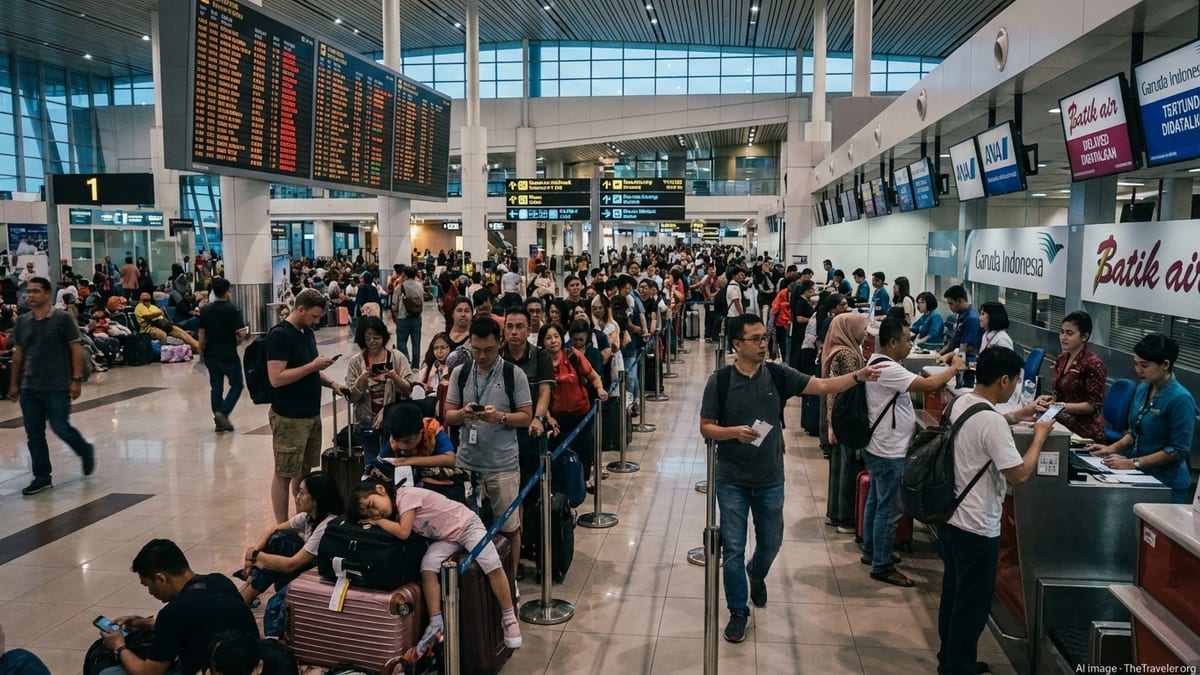
Fresh Disruptions Sweep Asian Skies
The latest operational turmoil, recorded on February 27, 2026, has piled on to an already difficult winter for Asian aviation. Airports from Southeast Asia to Northeast Asia reported mounting backlogs of delayed departures and arrivals, with airport departure boards dominated by red and amber status alerts. Aviation data reviewed by travel industry analysts shows a pattern of concentrated cancellations at a handful of hubs, alongside a much broader wave of delays that has slowed schedules across the region.
While the total of 89 cancellations is relatively modest compared with the 1,182 delays logged, the knock-on effects have been significant. Aircraft and crews displaced by earlier disruptions are now out of position, constraining seat availability on key regional routes. Passengers in Jakarta, Fukuoka, Kuala Lumpur and Taipei reported lengthy waits at check-in and transfer counters as airline staff attempted to rebook itineraries and reconfigure aircraft rotations in real time.
The situation follows a succession of bad days for Asian travellers in recent weeks, with multiple instances of mass delays and cancellations across China, India, Indonesia, Japan and Malaysia. The latest figures underscore that the region’s recovery from the sharp downturn of recent years remains fragile, with airlines and airports operating close to their operational limits.
Key Hubs Struggle to Cope
Jakarta’s Soekarno Hatta International Airport once again emerged as one of the hardest-hit facilities, with Indonesian carriers including Batik Air, Garuda Indonesia and Citilink contending with tight turnarounds and rolling delays. High traffic density on domestic trunk routes, combined with transient weather and airspace congestion, left departure banks tightly bunched and vulnerable to even minor schedule slips.
In Malaysia, Kuala Lumpur International recorded some of the heaviest delay volumes in the region, mirroring a pattern seen in earlier disruptions where the airport logged several hundred delayed movements in a single day. Terminal concourses grew increasingly crowded as flights to regional destinations in Indonesia, Thailand and China pushed back behind schedule, compressing connection windows for long-haul services.
Further north, Japan’s regional gateways, including Fukuoka, reported a mix of delayed domestic services and disrupted short-haul international flights. Operational pressures at Tokyo-area airports have cascaded out into secondary cities, where carriers such as All Nippon Airways and affiliated regional operators have had to juggle aircraft allocations to keep core trunk services running. At Taiwan’s main international hub near Taipei, delays on both China-bound and Southeast Asia routes added to the sense of uncertainty for transit passengers.
Airlines from Batik Air to ANA Feel the Strain
The impact of the latest disruption has been spread across a wide range of carriers, but several names stand out. Indonesia’s Batik Air, which has featured prominently in recent disruption reports, has once again seen a cluster of cancellations and extended delays on domestic and regional routes, particularly to and from Jakarta. Its sister carrier Citilink and flag carrier Garuda Indonesia have also faced rolling knock-on delays as they attempt to absorb schedule changes.
In Japan, All Nippon Airways has had to manage a web of delays affecting both domestic segments and connections to regional destinations such as Taipei and Southeast Asian capitals. ANA’s regional affiliates, together with other Japanese operators, have been working to minimize cancellations by accepting slower turn times and trimming non-essential frequencies where possible.
On the China side, Chengdu Airlines and other mainland carriers reported schedule slippages on services linking western China with key Southeast Asian and Northeast Asian gateways. Meanwhile, regional operators branded as Mandarin services, connecting Taiwan with destinations in the wider region, have faced congested departure slots and aircraft rotation challenges as they try to maintain cross-strait and regional connectivity.
Causes: Weather, Congestion and Thin Margins
Aviation experts point to a familiar mix of factors behind the ongoing turbulence in Asian flight operations. Seasonal weather systems across East and Southeast Asia have periodically reduced capacity at key airports, forcing temporary ground stops and approach spacing measures that back up departures for hours. Once early-morning waves are disrupted, recovery can take the entire operating day, particularly at airports that run near capacity.
At the same time, airlines are operating with leaner fleets and crew rosters than before the pandemic, leaving less buffer to absorb unplanned maintenance, crew illness or late arrivals from previous legs. Any disruption on a long-haul inbound service can echo through multiple short-haul flights, affecting passengers who may never board the original delayed aircraft.
Airspace congestion in busy corridors between China, Japan, Taiwan and Southeast Asia is also contributing to en route holding and small but cumulative departure delays. With travel demand rebounding strongly and carriers pushing to restore or grow frequencies, the system is running with narrow operational margins, making days like this more likely when multiple stressors coincide.
Passengers Face Long Queues and Limited Options
Across affected airports, passengers confronted long lines at customer service desks as they sought rebooking options, meal vouchers and overnight accommodation. Travellers reported that some early-morning cancellations were not communicated until they had already cleared security, leading to scenes of confusion at departure gates in Jakarta and Kuala Lumpur when flights were suddenly removed from display boards.
For those with tightly timed connections in hubs such as Taipei and Fukuoka, the primary concern was onward travel. With aircraft and crews out of rotation, same-day alternatives on popular regional routes quickly sold out, forcing many passengers to accept overnight stays or re-routings through secondary hubs. Families travelling at the tail end of school holidays and business travellers on short trips were among those most affected.
Consumer advocates in several countries reiterated calls for clearer communication and more consistent support standards when widespread disruption occurs. While compensation rules differ from one jurisdiction to another, passengers are being urged to retain boarding passes, receipts and written notices of disruption to support any later claims or insurance requests. Airlines, for their part, stress that they are working to stabilize schedules and return to normal operations as quickly as conditions allow.