


More news on this day
Widespread aviation disruption is rippling across Asia as flight suspensions and severe schedule setbacks in Indonesia, China, and Malaysia leave thousands of passengers facing cancellations, marathon delays, and missed connections at Jakarta, Beijing, Shanghai, and Kuala Lumpur airports.
Get the latest news straight to your inbox!
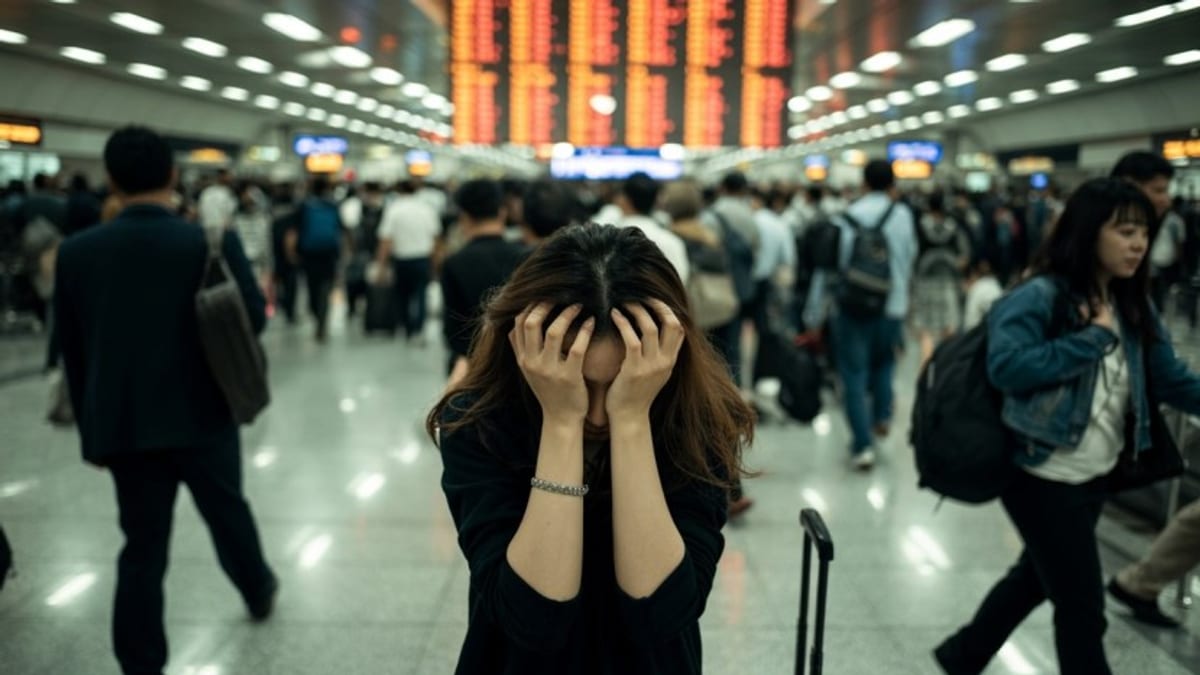
Patchwork Disruptions Converge Into Regional Air Travel Turmoil
Published reports and flight-tracking data indicate that a series of operational cuts, airspace restrictions, and short-notice schedule changes have combined to create a difficult operating environment for airlines across several Asian hubs. While the exact tally is evolving, industry coverage points to several dozen outright suspensions and dozens more heavily delayed or retimed services affecting routes touching Indonesia, mainland China, and Malaysia.
At Jakarta’s Soekarno Hatta International Airport, travelers have reported clusters of cancellations on selected regional routes, particularly services linking Indonesia with other Southeast Asian hubs. Publicly available airline schedules show that some carriers have trimmed frequencies or consolidated lightly booked services, resulting in sudden changes for passengers already en route.
In China, airspace management decisions and capacity adjustments by major carriers are contributing to a wave of changes centered on Beijing and Shanghai. Recent analysis of schedule data in aviation trade publications notes that Chinese airlines have reduced or reshuffled flights on certain international and long-haul sectors from these cities, with knock-on effects for connections across the region.
Kuala Lumpur International Airport has been handling heavy traffic volumes even as Malaysian and foreign airlines rework parts of their networks. Reports from regional aviation media describe capacity cuts and retimed departures on selected routes, particularly in the wider China and Northeast Asia markets, which has created bottlenecks for travelers connecting through the Malaysian hub.
China’s Airspace Restrictions And Schedule Cuts Intensify Pressure
A key factor behind the mounting disruption is a period of unusual airspace restrictions off China’s eastern coast. Notices to airmen covering a large offshore zone north and south of Shanghai between late March and early May have required airlines to modify routings and, in some cases, thin out services that normally pass through the affected corridors.
According to publicly available information, the restricted area stretches from the Yellow Sea toward the East China Sea and overlaps with key routes to and from Shanghai and, indirectly, Beijing. The extended duration of these measures, far longer than typical short-term military exercises, has complicated flight planning and contributed to schedule padding, slower routings, and altered departure times.
At the same time, Chinese carriers have been recalibrating capacity in response to fuel costs, demand patterns, and operational constraints. Industry reports describe reductions in planned flights on selected international routes from Shanghai and Beijing, including services to parts of Southeast Asia and Oceania. For travelers, this has translated into a measurable number of suspensions, as well as flights moved to different days or times, contributing to the broader count of affected services across the region.
Some travelers transiting China have reported last-minute cancellations with limited rebooking options, especially where airlines have consolidated flights or pulled back secondary-city connections. The resulting scramble for alternative routings is one reason airport departure halls in Beijing and Shanghai have seen unusually large crowds and long re-ticketing queues in recent days.
Jakarta And Kuala Lumpur Grapple With Overflow And Knock-On Delays
Indonesia and Malaysia are also facing strain as they absorb diverted traffic and cope with their own capacity adjustments. Jakarta’s main international airport is managing a mix of weather-related delays, congestion on peak regional corridors, and schedule changes by low-cost carriers that are trimming lightly booked services or shifting them into fewer, fuller flights.
Passengers on regional links between Jakarta, Kuala Lumpur, and other Southeast Asian cities have reported extended delays and, in some cases, overnight waits after flights were combined or retimed. Publicly available schedule trackers show that certain Indonesia–Malaysia and Indonesia–China routes have seen repeated time changes within a short window, making it harder for travelers to rely on original itineraries.
In Malaysia, the national airspace regulator has recently highlighted the resilience of the country’s traffic management system, pointing to efforts to keep core corridors such as Kuala Lumpur–Singapore and Kuala Lumpur–Jakarta flowing smoothly. Even so, aviation industry coverage indicates that some Malaysian and foreign airlines have scaled back or reshuffled frequencies on longer-haul and China-facing routes, which is increasing pressure on remaining services.
For Kuala Lumpur-bound passengers, this means that while many flights still depart broadly on time, the pool of available seats on popular routes has tightened at short notice. Travelers facing a cancellation are sometimes finding that the next available departure is significantly later than usual, heightening the sense of chaos for those caught in the middle of multi-leg itineraries.
Why So Many Flights Are Being Suspended Or Severely Delayed
The cluster of 78 flight suspensions and 66 substantial schedule disruptions reported across Indonesia, China, and Malaysia does not stem from a single incident. Instead, it appears to be the outcome of overlapping pressures that are testing the flexibility of airline networks and regional air traffic systems.
Higher fuel costs, evolving demand after successive travel surges, and airline efforts to shore up profitability are leading some carriers to cut marginal routes or reduce frequency on thinner services. Aviation analysts cited in regional business media note that airlines in China, Indonesia, and Malaysia have all been reviewing capacity plans for the second and third quarters, with some opting to trim growth or pull back flights that are underperforming.
Operationally, airspace restrictions, particularly around eastern China, are forcing longer routings and tighter control of traffic flows, which can reduce effective capacity even when published seat counts remain unchanged. The result is a network more vulnerable to cascading delays and cancellations when weather, technical issues, or crew availability problems emerge.
In addition, passenger loads remain uneven. Peak holiday periods and major events are producing full flights and limited backup options, while off-peak days can still see sudden consolidations as airlines react to real-time demand. This volatility is contributing to the sharp spikes in cancellations and reschedulings that are currently stranding travelers at hub airports.
What Travelers Need To Do If They Are Heading Through Affected Hubs
For travelers with upcoming flights through Jakarta, Beijing, Shanghai, or Kuala Lumpur, the most important step is to treat itineraries as dynamic rather than fixed. Publicly accessible booking systems and airline apps are updating frequently as carriers adjust schedules, so checking flight status repeatedly in the days and even hours before departure has become essential.
Travel experts and consumer advocates consistently recommend building in longer connection times when routes touch multiple Asian hubs, especially if one of the segments involves China or a regional low-cost carrier. Where possible, travelers may wish to avoid tight connections of less than two or three hours, as a relatively minor delay at one airport can now more easily result in a missed onward flight.
Passengers already on the road are being advised, in published guidance, to keep digital and printed copies of tickets, booking references, and any messages about changes or cancellations. These records can be critical when negotiating rebooking at busy service desks or when seeking assistance from travel insurers afterward.
For those yet to book, flexibility remains a valuable asset. Selecting fares that allow changes at reasonable cost, considering alternative routings that bypass the most congested hubs, and avoiding the last flight of the day on critical legs can reduce the risk of being stranded. As airlines and regulators across Indonesia, China, and Malaysia continue to manage this complex period, travelers who plan conservatively and monitor developments closely are likely to fare better than those who rely on pre-disruption norms.