


Guernsey–Alderney San Pawl Trial Lifts Weekend Travel
A new summer trial of San Pawl ferry sailings between Guernsey and Alderney is set to boost weekend trips, tourism and resilience for the smaller island.

I am writing observational travel analysis focused on how travel works beyond the surface.
A new summer trial of San Pawl ferry sailings between Guernsey and Alderney is set to boost weekend trips, tourism and resilience for the smaller island.

Etihad Airways has unveiled a limited-time 20% discount on India-origin fares to Europe and North America, intensifying competition for outbound Indian travelers.

New rankings show Sofia among Europe’s cheapest city breaks, underscoring a broader shift toward value-focused travel across Central and Eastern Europe.
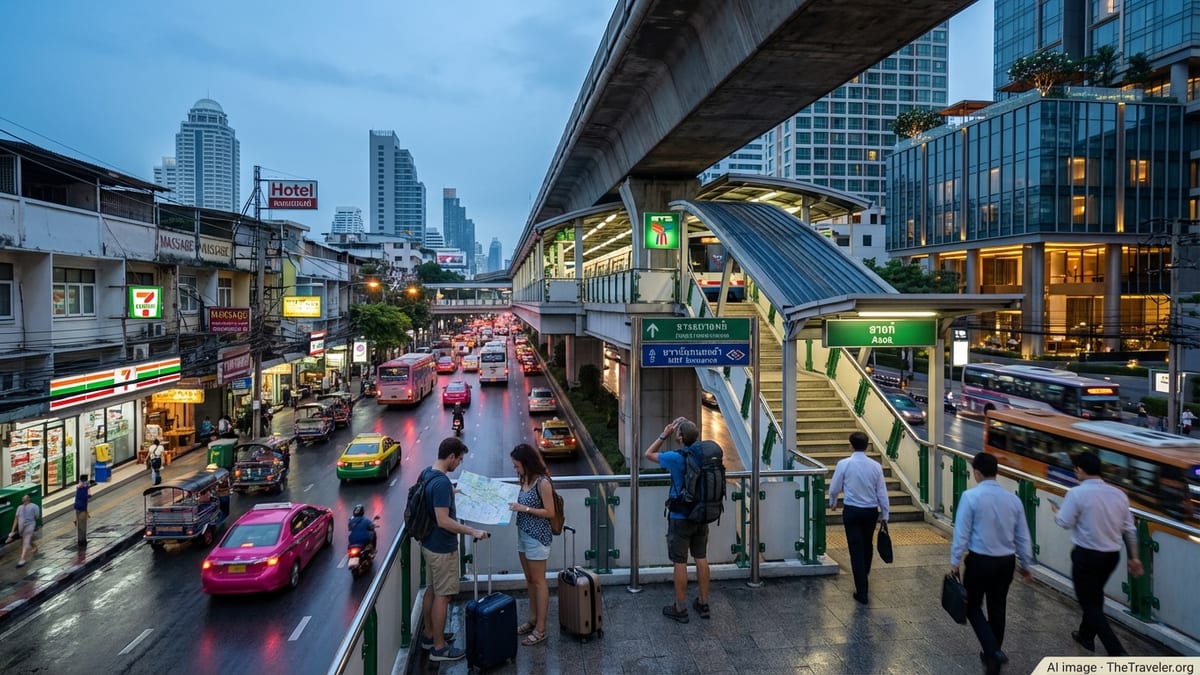
Seoul’s once-industrial Euljiro district is rapidly reinventing itself as a neon-lit, all-night playground mixing retro print alleys, rooftop views and experimental bars.

New data shows visitor spending in Mecklenburg County reaching 6.47 billion dollars, underscoring Charlotte’s emergence as one of the Southeast’s strongest tourism economies.

From colonial prisons in Seoul to DMZ observatories and a rural war massacre site, dark tourism in South Korea is evolving in scope and tone.

The Ohio River Valley Pride Festival will make its Kentucky debut in Maysville with a two-day celebration aimed at drawing LGBTQ+ travelers to the historic Ohio River town.

Portugal is trialling new visitor caps and monitoring tools on Corvo, the Azores’ smallest island, amid concern over tourism pressure and fragile ecosystems.

From dude ranches to craft retreats, Colorado is emerging as a U.S. hub for skill-based vacations that blend learning, local culture and community spending.
High in Xinjiang’s Tianshan Mountains, Nalati Grassland is emerging as a dramatic alpine playground for hikers, road-trippers and nature lovers seeking China’s wilder side.
Streamlined paperwork, flexible venues and international recognition of certificates are turning Denmark into Europe’s go-to destination for hassle-free weddings.
With peak crowds easing, New England beach towns are promoting late-summer stays, as a new Boston-focused guide shines a spotlight on Ogunquit, Maine.
Blackstone-owned Safe Harbor Marinas is set to acquire MarineMax, reshaping luxury yacht travel from U.S. cruising grounds to Monaco’s elite charter scene.
Canada’s long-planned Mackenzie Valley Highway is advancing toward key approvals, raising expectations for a new era of Arctic overland tourism and northern road trips.
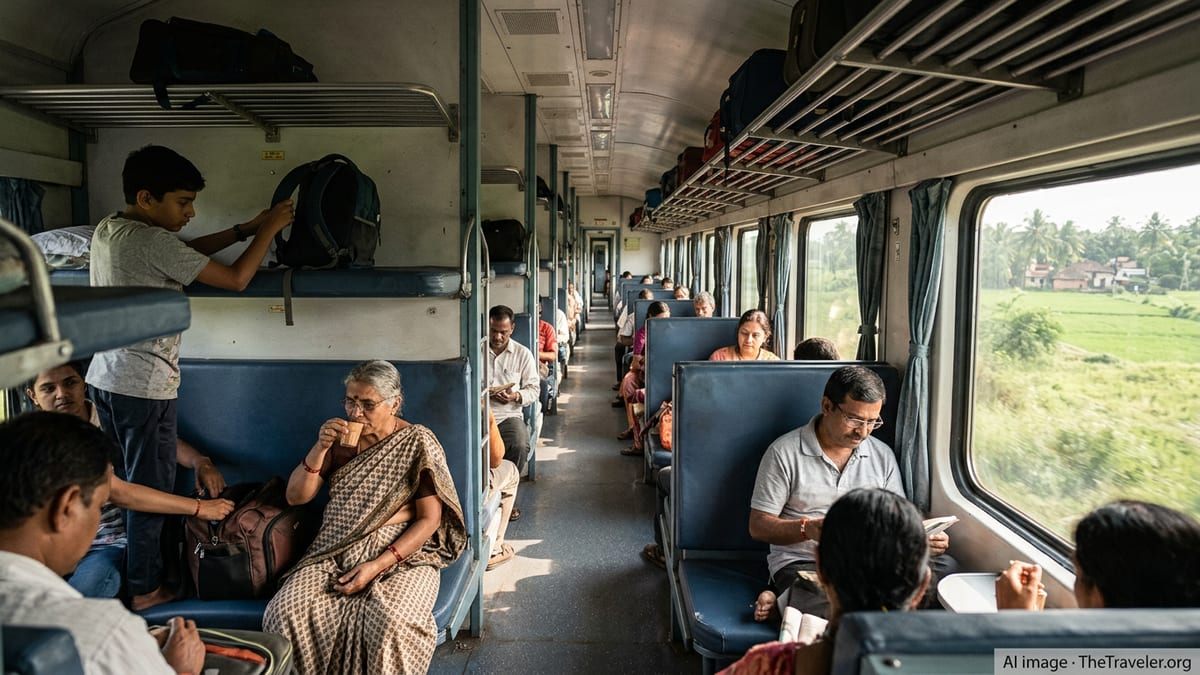
Shifting European travel patterns are steering more tourists toward India in 2026, boosting demand for heritage-rich cities and sun-and-sand coastal escapes.