


More news on this day
Air travelers heading into the busy summer season are being urged to rethink what they pack in their bags and how they behave on board, as aviation experts highlight a sharp rise in cabin safety risks linked to lithium batteries, turbulence and passenger habits.
Get the latest news straight to your inbox!
Regulators Sound Alarm Over Lithium Battery Fires
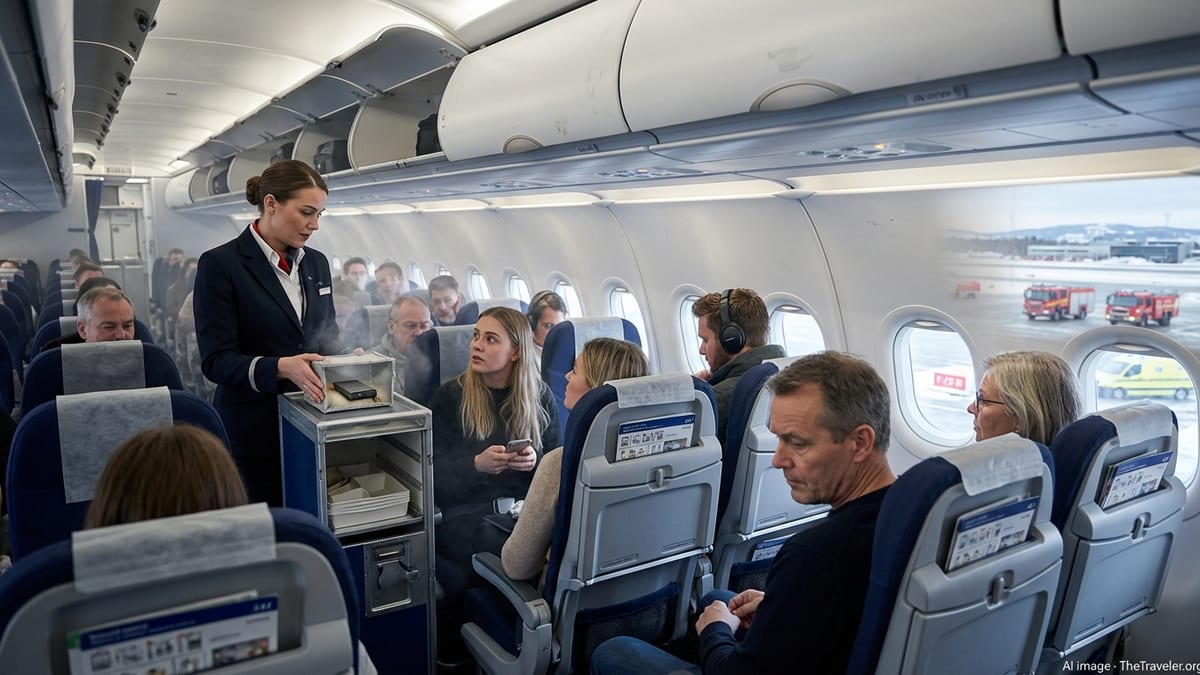
In recent days, aviation regulators have intensified public warnings about the way passengers carry and use lithium batteries, including power banks, vapes and other rechargeable devices, describing them as a leading safety risk for modern air travel. Campaigns launched ahead of the peak holiday period point to a surge in incidents where batteries have overheated or caught fire either in cabins or baggage areas.
Published guidance from aviation authorities notes that lithium batteries can enter a state of thermal runaway without warning if they are damaged, overcharged, exposed to heat or packed loosely with metal objects such as keys or coins. Once ignited in the confined space of an aircraft, such fires can be difficult to contain and may produce dense smoke that spreads quickly through the cabin.
Regulators are particularly concerned about devices placed in overhead bins or checked luggage, where early signs of overheating may go unnoticed. Safety campaigns stress that loose power banks, e‑cigarettes and spare batteries should be kept in hand luggage where cabin crew and travelers can see and reach them at all times, instead of being buried in hold bags.
Recent advisories also highlight new international technical rules on transporting lithium batteries by air, reflecting a broader push among regulators to standardize stricter limits on battery capacity, packaging and inflight use, especially for high‑capacity power banks.
What Passengers Are Doing Wrong With Gadgets
Despite repeated warnings, data and industry reviews indicate that millions of small electronics are still being packed in ways that violate airline and safety rules. Surveys referenced in recent safety reports suggest that an average traveler may bring four or more lithium‑powered devices on a single trip, from phones and tablets to headphones, cameras, laptops, vapes and portable chargers.
Regulators report that a significant share of these devices still ends up in checked baggage, often because passengers pack in a hurry or are unaware of the restrictions. In some cases, carry‑on bags that contain loose batteries are taken from passengers at the gate and placed in the hold without items being removed, creating exactly the scenario safety campaigns are trying to prevent.
Investigations into cabin incidents have pointed to common errors, including storing power banks in overhead bins, leaving devices wedged in seat mechanisms and charging electronics unattended for long periods. Aviation experts caution that even a minor knock to a damaged battery, such as a hard impact during turbulence, can trigger a fire if the cell structure is already compromised.
The latest guidance urges travelers to check airline and regulator rules before packing, to remove spare batteries and power banks from any bag that could be gate‑checked, and to keep high‑risk devices where they can be quickly retrieved if they begin to overheat or emit smoke or unusual odors.
Seat Belts, Turbulence and Cabin Safety Basics
Alongside battery issues, experts are reiterating long‑standing advice on basic cabin safety practices that they say many passengers still ignore. One of the clearest warnings focuses on turbulence: while modern aircraft are designed to withstand severe bumps, unsecured passengers can be seriously injured when the cabin suddenly shifts.
Official safety information from multiple regulators recommends that passengers keep their seat belts fastened whenever seated, not just when the sign is illuminated. Unexpected clear‑air turbulence, which can strike without visible clouds or storms, remains a key factor in cabin injuries, particularly for those who are moving around or have loose items on tray tables.
Travelers are also being reminded to pay close attention to safety briefings, identify the nearest exits and avoid placing heavy or hard objects in overhead bins without securing them properly. During a sudden jolt, items can fall from bins or from open shelves and strike passengers below, compounding injuries in an already stressful situation.
Cabin safety resources published by regulators emphasize that even small actions, such as stowing laptops, bottles and bags during takeoff and landing and following crew instructions promptly, play a direct role in preventing avoidable injuries and keeping evacuation routes clear in an emergency.
New Restrictions and Changing Airline Policies
A series of recent regulatory updates is now working its way into airline policies, with some carriers tightening rules on the use and carriage of power banks and other high‑capacity batteries. Industry documents show that new international specifications on power banks took effect in late March 2026, prompting operators to review how many such devices they allow on board and under what conditions they may be used.
Several airlines have already begun limiting the number of power banks a passenger can carry, banning inflight charging from personal battery packs, or requiring that these devices remain switched off and visible throughout the journey. In some cases, carriers are instructing passengers to rely on built‑in seat power rather than external batteries, particularly on long‑haul routes.
Regulators also continue to refine technical guidance for aircraft designers on how batteries are installed and protected in onboard systems. Recent transport airplane issue lists point to special conditions for certain battery types, reflecting growing regulatory scrutiny of how electrical systems and energy storage are managed in both passenger cabins and cargo compartments.
Industry bodies, including international aviation organizations and airline trade groups, are complementing these changes with global awareness campaigns that urge travelers to “pack safe” and understand that even small devices can create significant risk if handled carelessly.
How Travelers Can Reduce Risk Before Their Next Flight
Experts say that the most effective safety improvements rely on simple steps passengers can take before they even arrive at the airport. Travelers are advised to inspect phones, laptops and power banks for signs of swelling, cracking or damage, and to avoid flying with any device that looks compromised or has been subject to a recall.
Safety guidance encourages passengers to pack spare batteries and power banks in a dedicated pouch or case, separate from metal objects, and to place them in a carry‑on bag that will remain in the cabin. If a carry‑on is likely to be checked at the gate, travelers are urged to remove these items and keep them with them on board.
Once seated, aviation safety material recommends keeping key electronics within sight rather than in overhead bins, unplugging devices when they are fully charged and alerting crew immediately if a gadget feels hot, emits a burning smell, smokes or stops functioning normally. Early action, according to public safety briefings, has been decisive in resolving many past incidents without serious consequences.
For passengers, the growing body of warnings amounts to a clear message: even as commercial flying remains one of the safest forms of transport, small lapses in packing and cabin behavior can have outsized effects. Treating lithium batteries as hazardous items, wearing a seat belt whenever seated and following established safety practices are emerging as key responsibilities for anyone stepping onto an aircraft this year.