


More news on this day
Azerbaijan has issued a travel warning urging its citizens to avoid non essential trips to France, citing recent unrest, violent incidents and acts of civil disobedience across the country, according to multiple media reports on October 20, 2026.
Get the latest news straight to your inbox!
Details of the New Advisory
According to publicly available coverage from regional news outlets, Azerbaijan’s Ministry of Foreign Affairs released the advisory on October 20, 2026, describing a deteriorating security environment in France in recent days. The ministry’s statement highlights incidents of unrest and civil disobedience and urges citizens to reconsider plans for travel that are not strictly necessary.
The advisory recommends that Azerbaijanis who decide to proceed with travel to France exercise a high degree of caution. Travelers are encouraged to remain alert in public spaces, monitor local developments closely and be prepared for potential disruptions to transport or public services in urban areas.
For citizens already in France, the guidance calls for strict observance of basic safety measures. The ministry advises individuals to avoid large gatherings and protest sites, follow instructions disseminated by French public information channels, and remain in regular contact with family members regarding their movements.
The travel warning also provides contact details for Azerbaijan’s embassy in Paris for citizens who encounter emergencies while in France, reflecting concern that escalating unrest could affect visitors as well as residents and diaspora communities.
Rising Diplomatic Tensions Between Baku and Paris
The travel advisory comes against a backdrop of increasingly strained relations between Azerbaijan and France. In recent months, statements posted on the Azerbaijani Foreign Ministry’s official channels have criticized what Baku characterizes as unfounded accusations from French officials regarding Azerbaijan’s role in regional and international affairs.
In mid October 2026, commentary released by the ministry responded sharply to remarks made by France’s foreign minister at an international democracy forum, rejecting suggestions of Azerbaijani interference in French overseas territories. Publicly available documents from Baku argue that France is using allegations of foreign influence to deflect from domestic grievances in those territories.
Analysts following the bilateral relationship note that France has taken prominent positions on issues related to the South Caucasus in recent years. Media reporting has pointed to disagreements on conflict resolution, humanitarian questions and broader geopolitical alignment, all of which have contributed to a more confrontational tone.
Against this diplomatic backdrop, the decision to single out France in a dedicated travel warning is seen by observers as both a response to security concerns and a signal of political discontent. While the advisory is framed in terms of public safety, it also reinforces the message that relations between the two capitals remain tense.
How the Advisory Compares With Other Travel Guidance
The Azerbaijani warning adds a new layer to the patchwork of international travel advice concerning France. As of October 2026, the United States Department of State lists France at Level 2, advising travelers to exercise increased caution due to risks such as unrest and terrorism, while not calling for the avoidance of non essential travel.
For Azerbaijan itself, foreign travelers face more stringent assessments. The United States currently assigns Azerbaijan a Level 3 advisory, recommending that travelers reconsider plans due to security risks that include terrorism, armed conflict and landmines in certain regions. European governments also maintain detailed cautions regarding border areas and territories affected by past fighting.
This contrast highlights how risk assessments can vary by country and political context. While many governments periodically warn their citizens about demonstrations or security incidents in France, Azerbaijan’s language urging avoidance of travel unless absolutely necessary represents a firmer position than the general guidance issued by some Western states.
Travelers who hold multiple nationalities or who transit frequently between Europe and the South Caucasus may therefore find that official messaging from their governments diverges. Travel specialists generally recommend that such travelers review advisories from all relevant states and align their plans with the strictest applicable guidance.
Implications for Travelers and the Tourism Sector
For Azerbaijani tourists, students and business travelers, the new warning introduces an additional layer of uncertainty around trips to France. While the advisory does not amount to a formal ban, its emphasis on avoiding travel that is not essential is likely to influence personal and corporate decisions, especially for leisure travel and short term stays.
Tourism operators serving the Azerbaijan to France market may see increased requests to change or postpone bookings, particularly for itineraries that include major cities where demonstrations and security operations are more visible. Industry observers often note that such advisories can have a chilling effect even if flights and visa services continue to operate normally.
The warning also underscores the importance of robust travel insurance and flexible booking conditions. Public guidance from consular and diplomatic services in multiple countries stresses that travelers should ensure their policies cover disruptions linked to civil unrest, as well as medical care and emergency evacuation where available.
For French tourism stakeholders, the development is part of a wider challenge of managing perceptions of safety among international visitors. While millions of tourists continue to visit France each year, repeated episodes of unrest and high visibility security measures can weigh on itineraries chosen by risk aware travelers and corporate travel planners.
Practical Safety Considerations for Current Visitors
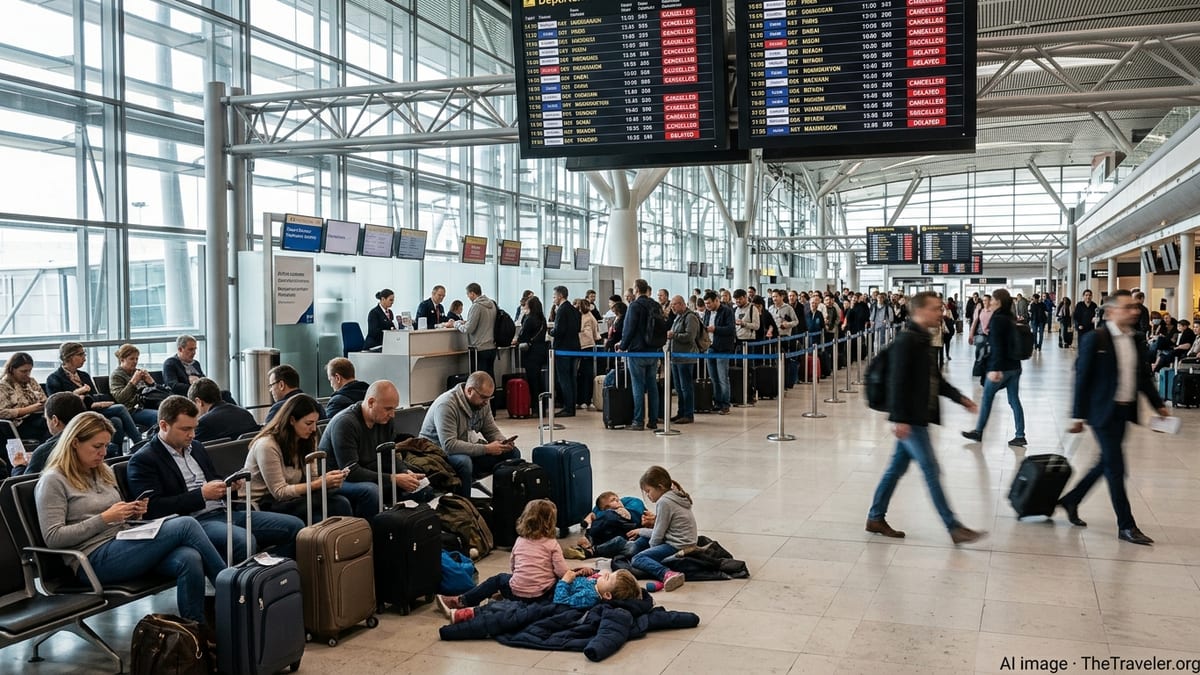
For Azerbaijani citizens who are already in France and choose to remain, the advisory’s recommendations reflect standard precautions applied in periods of heightened tension. Travelers are encouraged, through publicly available guidance, to avoid protest routes, remain vigilant in transport hubs and tourist districts, and allow extra time for journeys in case of police operations or road closures.
Staying informed through reputable news outlets and official public information channels is a central theme of the guidance. During previous episodes of unrest, local authorities in France have frequently announced curfews, restrictions on public gatherings, or temporary closures of public spaces in specific municipalities, developments that can affect day to day movement.
Travel risk consultants typically suggest that visitors maintain copies of identification documents, keep their mobile devices charged, and identify safe meeting points or accommodation contacts in case of sudden disruptions. They also advise registering travel plans with their home country’s consular services when such options are available.
While the situation remains fluid, publicly available information as of October 20, 2026, indicates that transport links between Azerbaijan and France continue to operate, and French entry rules have not been specifically altered in response to the Azerbaijani advisory. Travelers from Azerbaijan are therefore navigating a landscape in which flights and visas remain possible, but official guidance from their own government urges maximum caution and reconsideration of non essential journeys.