


More news on this day
Violent protests, smashed shopfronts and tear gas drifting through central Paris are reshaping how American travelers think about upcoming trips to France, as images of looting and burning cars collide with long-booked holiday plans.
Get the latest news straight to your inbox!
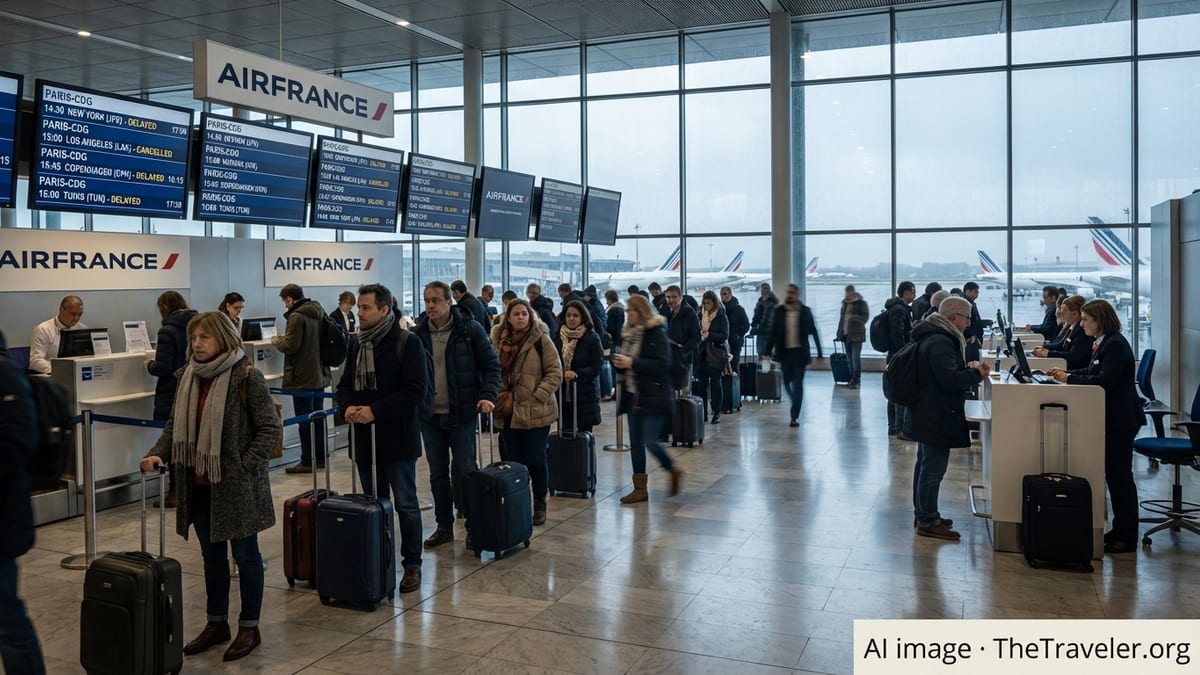
Riots turn cost-of-living protests into scenes of urban chaos
On October 17, 2026, large demonstrations over living costs and education policy across France descended into some of the country’s worst street violence in years. Published coverage from international and French outlets describes masked groups breaking away from mostly peaceful marches to torch vehicles, smash bus shelters and storm shops in cities including Paris, Lyon, Marseille and Nice.
In Paris, reports indicate that clashes were concentrated around central squares such as Place de la République, with police responding to stone-throwing and fireworks by firing tear gas and using water cannon. Photo and video material reviewed by major news organizations show looters forcing open storefronts, people running through streets filled with smoke and officers in riot gear pushing crowds back late into the evening.
The unrest has continued to ripple through France’s political and economic debate. Analyses in European financial and business media describe “hundreds of millions of euros” in damage to retailers and local businesses, with insurance bodies and trade groups warning that it is too early to calculate the full impact. French commentary is increasingly focused on concerns that repeated bouts of urban violence could create a negative feedback loop for investment and tourism.
Curfews, closures and a shaken tourism sector
In the days following the October 17 unrest, publicly available information shows that authorities introduced night-time curfews in parts of Paris and Lyon as a precaution, after what officials described as the first quieter night in several days of turmoil. These measures, which apply to specific central districts and time windows, are being reviewed on a day-by-day basis, according to local press briefings.
Tourism and retail representatives quoted in French economic coverage report a first wave of cancellations from foreign visitors, particularly for October and November city breaks. A report in one major French newspaper notes that national tourism bodies are warning about the reputational damage of images of looting and barricades appearing on global news channels at the start of the crucial autumn conference and trade fair season.
Individual visitor accounts collected by French television and local media describe tourists running with luggage to avoid clashes near central landmarks and returning to hotels smelling of tear gas after inadvertently crossing protest routes. At the same time, the regional tourism board’s own data for summer 2026, published in September, showed that the Paris region welcomed more than 13 million visitors between June and August, slightly above 2025 levels, underlining the city’s continued appeal outside peaks of unrest.
What U.S. government guidance says about travel to France
The official France travel advisory for U.S. citizens, published on Travel.State.gov, currently places the country at Level 2, which is the “exercise increased caution” category. The advisory, last substantively updated in 2025 but still in force as of October 20, 2026, cites the risk of terrorism and civil unrest among key concerns and urges Americans to stay away from demonstrations and follow local media for updates.
While the wording has not been revised specifically in response to the October 17 riots, supplemental security messages issued in previous periods of unrest in France have typically reminded travelers that demonstrations can erupt with little warning, turn confrontational and lead to localized transport disruption. The general guidance stresses that even peaceful protests can quickly escalate and that tear gas and other crowd-control measures may be used in dense urban areas.
For travelers already in France, the advisory highlights the importance of carrying identification, monitoring news in both English and French and being prepared for temporary closure of metro stations and streets around protest routes. For those yet to depart, the advisory recommends registering with the Smart Traveler Enrollment Program so that important safety updates can be received by email during a stay abroad.
How the unrest is affecting key Paris visitor areas
Reports from French and international outlets following the October 17 violence indicate that damage in Paris has been scattered across several central and inner-ring neighborhoods rather than confined to a single district. Images show burned-out vehicles near major roads leading to landmarks and smashed windows on commercial streets such as Boulevard de Magenta in the 10th arrondissement, where small retailers have reported extensive losses.
Tourism-focused coverage notes that most major attractions, including the Eiffel Tower, river cruises and central museums, have continued to operate outside of specific protest days. However, some disruptions have already occurred. One widely cited example is the temporary closure of the Louvre after student groups blocked access as part of a separate protest over cultural funding, leaving visitors with pre-booked tickets facing delays or rescheduling.
Travel media serving foreign visitors report that on the day after the riots, tourists were seen taking photographs of burned cars and broken glass near central sites, underlining the contrast between everyday sightseeing and the traces of recent unrest. Local hotel and restaurant associations warn that if further violent episodes occur, the cumulative effect could be significant, especially for long-haul markets such as the United States and Brazil, where travelers tend to book months in advance.
Practical advice for Americans weighing Paris trips
Specialist travel outlets covering France are not currently advising blanket cancellations of trips, but they emphasize that visitors should adapt their plans to a more volatile urban environment. Common recommendations include avoiding scheduled demonstration routes, steering clear of large gatherings, particularly after dark, and allowing extra time for airport transfers or train journeys on weekends when major marches are more likely.
Experienced Paris-based travel writers point out that protests in France typically follow announced routes and timeframes, which are often reported in local media and by city authorities. However, the October 17 unrest has shown that opportunistic violence and looting can erupt on the fringes of officially declared events, occasionally spilling into areas frequented by tourists. Travelers are therefore encouraged to check conditions each morning, use hotel staff for up-to-date neighborhood information and be ready to alter walking routes if streets are blocked.
For Americans still deciding whether to travel, publicly available guidance suggests weighing personal risk tolerance, flexibility and the importance of the trip. Travel insurance policies vary widely in how they treat civil unrest, and consumer advocates advise checking documentation carefully to see whether changes or cancellations linked to riots are covered. Where coverage is limited, some travelers may opt to proceed with caution, while others may choose to postpone until the situation stabilizes.
Across official advisories, French tourism statistics and first-hand accounts, one theme is consistent: Paris remains open and functioning, but the images of tear gas and smashed storefronts are a reminder that visitors should approach upcoming trips with more situational awareness than in calmer years.