

More news on this day
Transatlantic travel between the United Kingdom, United States and France is surging past pre pandemic benchmarks, as British Airways, Delta Air Lines and American Airlines expand capacity into crowded hubs and hotels report record-breaking demand across key tourism corridors.
Get the latest news straight to your inbox!
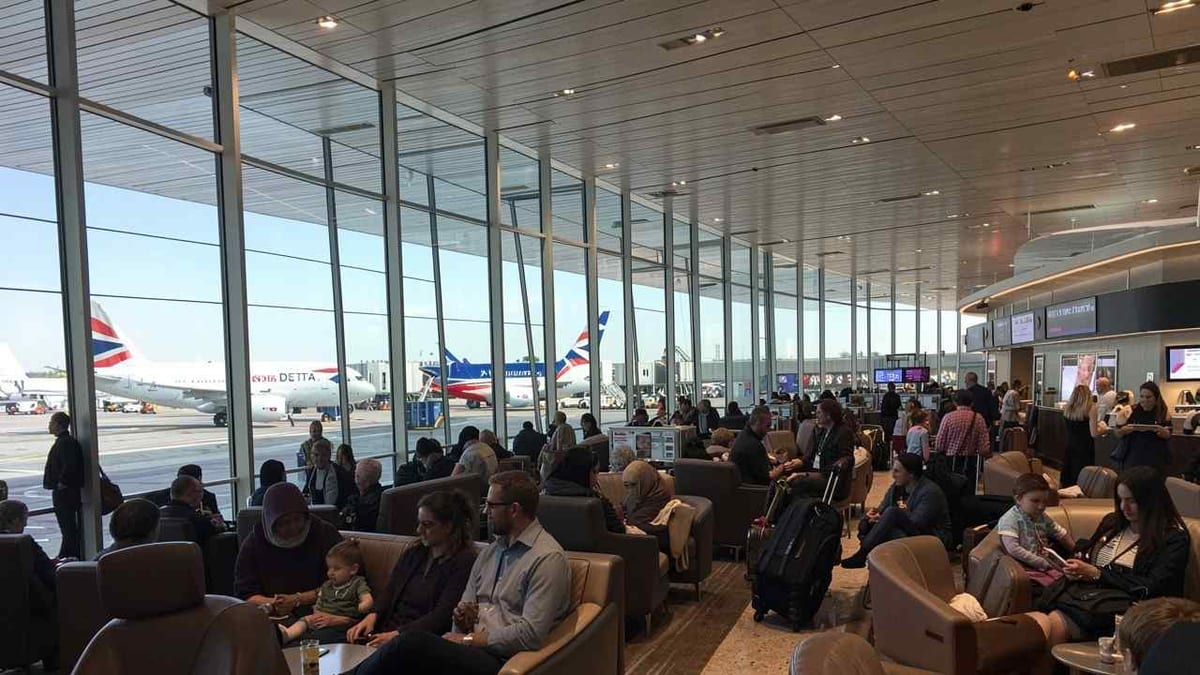
Global Tourism Surges Back Above Pre Pandemic Levels
International tourism has broadly moved beyond the recovery phase and into new growth territory, creating the backdrop for record traffic on major transatlantic routes. Recent data from global tourism bodies indicates that worldwide international arrivals in 2024 effectively matched or slightly exceeded 2019 volumes, with Europe consolidating its position as the most visited region and North America close behind. This broad-based resurgence is underpinned by pent-up demand, accumulated household savings and a strong US dollar that makes trips to Europe comparatively attractive for American travelers.
France and the United States remain among the world’s most visited destinations, while the United Kingdom continues to attract tens of millions of overseas visitors per year. Official statistics for 2024 show an estimated 42.6 million visits to the UK by overseas residents, with France ranking as one of the top three source markets. At the same time, outbound travel from these three major economies is surging, reinforcing a dense two-way flow on air routes connecting London, Paris and major US gateways.
Industry and policy analyses suggest that the current wave of demand is not just a short-term rebound. Economic assessments point to tourism’s contribution to GDP in advanced economies moving back to, and in some cases above, pre pandemic levels. Forecasts for 2025 and beyond anticipate continued growth in both arrivals and spending, particularly on long-haul and premium travel, even as consumers become more price sensitive and look for value in airfares and accommodation.
Within this global context, British Airways, Delta and American Airlines have emerged as central players in the recovery of transatlantic tourism, using expanded networks and targeted capacity growth to channel travelers into the UK, US and France at volumes not seen before 2020.
Airlines Ramp Up Record Transatlantic Capacity
Strong demand for travel between North America and Europe is translating directly into record capacity for leading carriers. Industry schedules data and airline planning disclosures for the 2024 and 2025 summer seasons show British Airways operating more than 400 flights per week between North America and London during peak weeks, a historic high for the UK flag carrier. These flights connect US cities such as New York, Boston, Chicago and Los Angeles to London Heathrow and Gatwick, feeding both inbound tourism to the UK and connecting flows onward to France and the wider continent.
Delta Air Lines has positioned itself as the largest US carrier on the transatlantic, with published analyses of summer 2024 schedules indicating around 1.2 million seats across nearly 5,000 transatlantic flights during the peak season. The airline’s June quarter 2024 financial results highlighted record revenue, supported in part by robust performance on routes to Europe, including services to Paris Charles de Gaulle and London Heathrow. Publicly available commentary from the carrier notes that unit revenue on transatlantic flying remained broadly in line with prior record levels, underscoring the strength of demand despite increased capacity.
American Airlines has also leaned into the transatlantic rebound, using its joint business arrangements with British Airways and Iberia to coordinate schedules across key markets. While American’s overall international network strategy is more diversified across Latin America and the Caribbean, data from schedule providers and industry reports shows expanded flying from US hubs such as Dallas Fort Worth, Charlotte and Philadelphia to London and to Paris. Together, the three carriers are offering a dense web of daily frequencies and year-round services that give leisure travelers more choice of departure time, cabin class and price point than before the pandemic.
The effect of this capacity build-out is visible in load factors and fare trends. While some reports point to moderating average ticket prices as inflation eases and more seats come online, premium cabins and peak dates continue to see very strong bookings. This combination of fuller planes, more routes and diversified pricing is a critical driver of the new tourism highs recorded between the UK, US and France.
UK, US and France Tourism Indicators Break Pre COVID Records
Tourism indicators for the United Kingdom, United States and France highlight how deeply the current surge has reshaped travel patterns. Official travel trends data for the UK in 2024 suggests that inbound visits and spending have climbed back to, and in some segments surpassed, 2019 levels, aided by strong inflows from the US and neighboring European markets such as France. London remains a primary gateway, with major airports reporting passenger volumes that in many months match or outpace pre pandemic benchmarks.
France continues to hold its position as the world’s most visited country, with recent tourism analyses citing more than 100 million international arrivals. The combination of Paris as a city-break destination, France’s extensive rail network and gateway airports served by British Airways, Delta and American helps funnel visitors to cultural, wine and coastal regions across the country. High-profile events in 2024, including major concerts and sporting fixtures, added an extra uplift to hotel and short-term rental demand in cities such as Paris, Lyon and Marseille.
In the United States, economic impact reports from industry groups show that travel and tourism’s contribution to national GDP has returned to the top of the global rankings, with the US reaffirmed as the world’s largest travel and tourism market. Outbound travel from American residents to Europe is particularly strong, with millions of US tourists choosing the UK and France for long stays that blend work and leisure. This has helped drive a substantial increase in tourism receipts for European destinations, even as domestic travel remains robust within the US itself.
Across all three countries, the shared trend is clear. Passenger volumes on transatlantic routes, hotel nights in major cities and aggregate tourism spending are collectively at or above 2019 levels. The coordinated schedules and joint ventures of British Airways, Delta and American serve as a key enabling infrastructure for this cross-Atlantic tourism boom.
Hotels and Resorts Capitalize on Pent Up Demand
The hotel and resort sector is one of the most visible beneficiaries of resurging demand. Market intelligence from international organizations and private analytics firms describes a wave of record or near-record occupancy in primary city centers such as London, Paris and New York across much of 2024 and into early 2025. Average daily rates have risen accordingly, with many properties reporting that revenue per available room has exceeded pre pandemic highs, especially during summer peaks and major event periods.
In the UK, hospitality operators in London and regional destinations report strong American and European bookings, supported by the large number of direct flights from Delta, American and British Airways into London and other gateways. Inbound visitors often combine city stays with rural and coastal trips, extending average length of stay and spreading tourism income into smaller communities and resort areas.
French hotels and resorts are experiencing similar patterns. Paris remains a focal point, with high demand during cultural festivals and flagship events contributing to months of very limited availability in central districts. Beyond the capital, coastal regions and wine-growing areas are seeing a recovery in high-spend international guests, many of whom travel in premium cabins operated by the major airlines before connecting by rail or car to secondary destinations.
US destinations such as New York, Miami and major national park gateways are also recording strong performance, particularly among visitors arriving from Europe. Analysts note that longer average stays, the growth of blended business and leisure travel, and increased interest in experiential tourism are encouraging travelers to spend more per trip. Hotels, resorts and alternative accommodation providers are adjusting by investing in upgrades, new amenities and tailored packages designed to capture this higher-value demand.
Economic Tailwinds, Changing Habits and Emerging Risks
The current tourism surge is reinforced by several favorable structural and cyclical factors. Easing inflation in many advanced economies, relative strength in US employment and the continued appeal of dollar strength for outbound American travelers have helped sustain high levels of transatlantic demand. Governments and tourism boards in the UK, US and France have supported this trend through destination marketing, streamlined border procedures and investment in infrastructure, from airport upgrades to rail links that connect major gateways with regional attractions.
At the same time, traveler behavior has evolved since the pre pandemic era. Research into post 2021 booking patterns shows that stays have become slightly longer on average, with a wider spread of trip durations as remote work and flexible schedules allow travelers to combine leisure and professional commitments. This shift is particularly evident among transatlantic travelers who can amortize the cost and environmental impact of long-haul flights over extended visits, benefiting hotels and local service providers.
However, the new records being set in air travel and tourism come with emerging risks. Capacity strains at airports, pilot and crew availability, and the need for continued investment in sustainable aviation are recurring themes in industry reports. Operational disruptions in 2024, including high-profile technology incidents affecting major carriers, have illustrated the vulnerability of complex airline systems during peak travel periods. Hotels are also having to manage higher operating costs, staffing challenges and growing consumer expectations around sustainability and authenticity.
Despite these pressures, the overarching picture for travel between the UK, US and France is one of momentum rather than fragility. With British Airways, Delta and American Airlines continuing to allocate aircraft and marketing resources to the transatlantic, and with hotels and resorts expanding to absorb demand, the three markets appear set to remain at the core of the global tourism map as traffic and spending push beyond pre COVID records.