


More news on this day
A long standing Bahamian election rule that halts alcohol sales during voting hours is taking many visitors by surprise in 2026, disrupting beach club plans, cruise excursions and all inclusive resort expectations across Nassau and the cruise focused cays.
Get the latest news straight to your inbox!
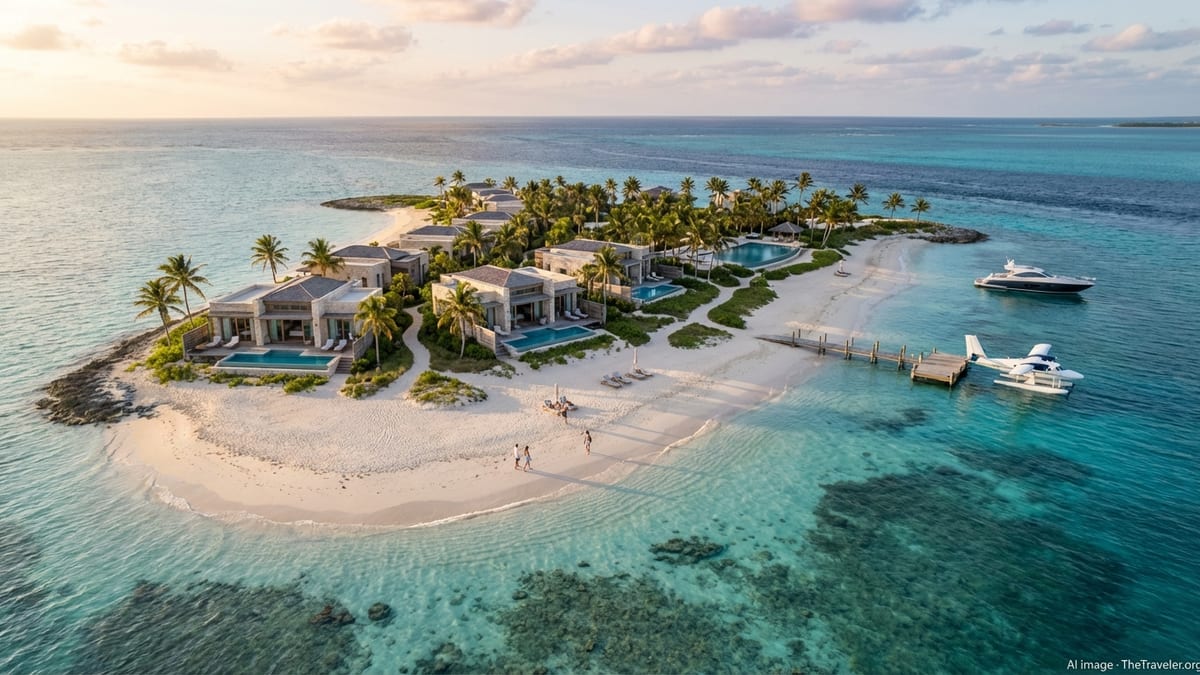
What the Bahamas Election Day Dry Rules Actually Do
Publicly available government notices for the 2026 general election in The Bahamas confirm that all licenses to sell intoxicating liquor are temporarily suspended during polling hours. The measure is rooted in Section 99 of the country’s Parliamentary Elections Act, which requires the suspension of licenses issued under national business and liquor licensing laws while voters head to the polls. A recent notice dated late April 2026 set the key dates as Thursday, April 30, and Tuesday, May 12, from 8 a.m. to 6 p.m., coinciding with advance and general election voting.
In practice, this means that on designated election days licensed venues on land, including beach clubs, hotel bars, resort restaurants and casinos, must stop selling or serving alcoholic beverages for the entire voting window. Soft drinks, mocktails and other nonalcoholic options can still be provided, and there is no restriction on food or general access to facilities. Reports and legal commentary emphasize that the rule applies across the Bahamian archipelago, from Nassau and Paradise Island to the smaller cruise oriented cays that fall under Bahamian jurisdiction.
The restrictions are framed domestically as an election integrity and public order measure, part of a broader tradition in several countries of limiting alcohol sales around voting. For many visitors, however, the holiday impact is far more immediate than the political context, particularly when the ban intersects with carefully marketed “perfect day” beach experiences and premium drink packages.
How Cruise Lines and Private Islands Are Affected
The most visible flashpoint so far has been at cruise focused destinations such as Royal Caribbean’s new Royal Beach Club on Paradise Island and its established private island experiences marketed as all inclusive beach days. Industry coverage notes that on April 30, 2026, guests who had prepaid for open bar packages at the Nassau beach club arrived to find alcohol service suspended for the entire day in line with the election rules. Cruise media reports indicate that the cruise line later processed refunds or credits for affected open bar passes, highlighting the tension between local regulation and cruise product promises.
Looking ahead to May 12, Bahamian election day itself, cruise publications and regional news outlets report that the alcohol ban will extend to major cruise call ports and private islands that lie within Bahamian waters. That includes high profile stops such as Nassau, Royal Beach Club Paradise Island and private destinations that serve ships from lines including Royal Caribbean and MSC Cruises. Notices shared with guests and travel advisors explain that while ships can continue to serve alcohol onboard under maritime rules, bars ashore at Bahamian licensed venues must pause all alcoholic drink sales during polling hours.
Operationally, cruise travelers can still disembark, use beaches, pools and waterparks, shop and join excursions, but the land based cocktail culture often marketed in brochures will look different for one day. For lines that have spent heavily promoting “perfect day” style experiences with pool bars and signature beach cocktails, the election day restrictions introduce a rare caveat that has had to be communicated quickly in the run up to the vote.
Resorts, All Inclusives and Surprised Holidaymakers
The dry rules do not stop at cruise infrastructure. Resort operators in Nassau and on neighboring islands have been issuing advisories to guests ahead of May 12, clarifying that hotel, restaurant and casino bars will not be permitted to serve alcoholic beverages between 8 a.m. and 6 p.m. on election day. A notice from a major all inclusive property near Nassau, for example, explains that all alcohol service will be paused in accordance with the elections law, though nonalcoholic beverages will remain available throughout the day.
For travelers who booked all inclusive packages precisely to avoid thinking about bar tabs, the fine print has come as a surprise. Social media posts and travel forum discussions in early May describe visitors arriving to find that wine, beer and cocktails were suddenly unavailable for a full daytime stretch, even though marketing materials had highlighted “unlimited drinks” around the clock. Some guests note that they only learned of the rule through last minute emails from their resort, in port advisories posted days before arrival, or by noticing signage at check in outlining the election day policy.
Published coverage shows that resort operators are trying to strike a balance: complying fully with national law while emphasizing that pools, beaches, entertainment and dining continue unaffected. Some are reorienting programming toward daytime sports, spa treatments and family friendly activities on May 12, effectively reshaping what the all inclusive experience looks like for one high stakes day on the national calendar.
Tourist Backlash and the Communication Gap
The strongest backlash has emerged online, where cruise passengers and resort guests have shared frustration at what many describe as a lack of clear advance warning. Travel news reports cite social media posts from travelers who say they built anniversary trips, friends’ getaways or once in a lifetime cruises around carefree beach bar time, only to discover the election day dry law shortly before departure. Some passengers report that their sailings were sold with beverage packages heavily promoted for private island days, without any obvious notice that local election rules could override onshore alcohol service.
Consumer focused travel outlets highlight that, from a legal standpoint, the rule is neither new nor hidden; the Parliamentary Elections Act has long contained the relevant provisions, and the latest notice from Bahamian authorities was published publicly ahead of the 2026 vote. The gap appears to be in how that information flows through the tourism ecosystem. Cruise lines, tour operators and hotels must interpret local regulations and decide how prominently to flag temporary restrictions in marketing, pre departure documents and aboard announcements.
Industry commentary suggests that clearer pre booking disclosures, itinerary notes and reminders could help reduce surprise and resentment. Some analysts argue that positioning the rule as part of the destination’s civic life, and as a brief daytime pause rather than a multi day shutdown, might also help reset visitor expectations. At the same time, the wave of complaints underscores how central alcohol inclusive experiences have become to many Caribbean vacations, leaving operators exposed when legal or cultural realities occasionally run counter to that model.
What Travelers Need to Know Now
For visitors heading to The Bahamas in the days around the May 12, 2026 election, the most important detail is timing. Reports indicate that the alcohol sales suspension applies only during official voting hours, typically 8 a.m. to 6 p.m. Local regulations continue to allow alcohol service outside that window, so evening cocktails at a resort bar or aboard ship remain possible once the polls close. Cruise ships are also generally able to maintain normal onboard bar service throughout, since their operations fall under maritime provisions rather than Bahamian liquor licenses.
Travel specialists recommend that guests check pre cruise or pre stay documentation from their cruise line or hotel in the week before departure, as many operators are issuing targeted advisories for affected dates. It can also be helpful to mentally reframe election day as a time to focus on beaches, snorkeling, waterparks, shopping and cultural sightseeing rather than bar hopping. Those who consider alcohol essential to their plans may wish to adjust expectations for that one daytime period or choose itineraries that avoid key Bahamian ports on national election dates in future years.
For now, there is no indication in public materials that The Bahamas plans to relax its election day alcohol rules for tourist zones, despite the recent attention from cruise and resort guests. With tourism volumes at record highs and more private islands and beach clubs opening in Bahamian waters, the 2026 election is functioning as a stress test of how well the global travel industry communicates local legal realities to short stay visitors. The experience is likely to influence how cruise lines, hotels and tour operators handle similar “dry law” dates across the Caribbean and Latin America in the seasons ahead.