

More news on this day
As winter-weary travelers rush to book beachfront escapes, a fresh wave of cartel violence, shifting U.S. advisories and mounting local tensions are reshaping the real risks of a Mexico getaway.
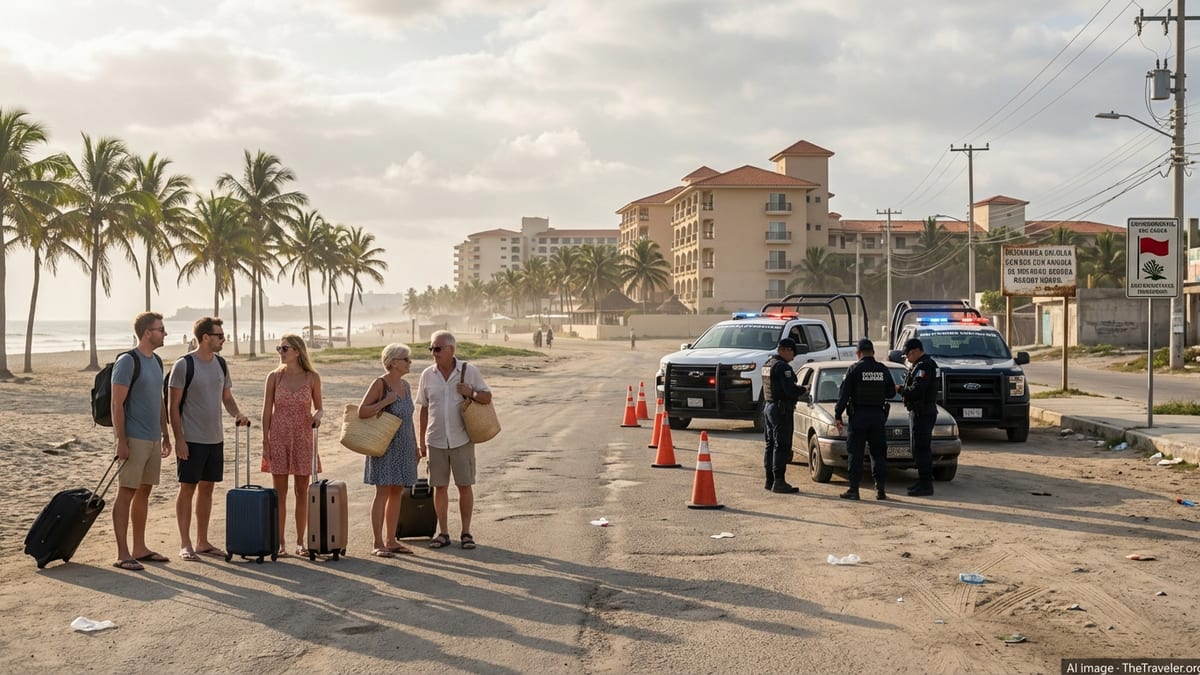
New Cartel Turmoil Reaches Tourist Corridors
The death of Nemesio Oseguera Cervantes, the powerful Jalisco New Generation Cartel leader known as "El Mencho," in late February set off a cascade of retaliation that spilled uncomfortably close to some of Mexico’s most popular resort zones. In Puerto Vallarta, tourists described streets choked with burning vehicles and plumes of smoke over the bay as gunmen torched cars and blocked major roads.
U.S. travelers in Jalisco, Nayarit and neighboring states were briefly urged to shelter in place as authorities raced to contain attacks that hit highways and key infrastructure. Commercial flights were suspended or rerouted, leaving some vacationers stranded in hotels or airport terminals for days while airlines and Mexican officials assessed the security picture.
The violence also rippled onto the sea. Major cruise operators abruptly dropped Puerto Vallarta from itineraries, diverting ships to alternative ports such as Cabo San Lucas and Mazatlán after security analysts warned that roadblocks and sporadic attacks could jeopardize shore excursions. While operations are gradually resuming, the episode underscored how fast conditions can shift even in destinations long marketed as insulated from cartel conflict.
Security experts stress that tourists are rarely direct targets, but say that large, fast-moving operations by organized crime groups can easily engulf highways, airports and city centers with little warning. Travelers considering last-minute trips are being urged to monitor news from trusted outlets and be prepared for sudden disruptions to flights, transfers and planned excursions.
Travel Advisories Grow More Complex by the Week
Official guidance is also evolving. As of early March, Mexico remains under a Level 2 advisory from the U.S. Department of State, meaning Americans are urged to exercise increased caution nationwide. That umbrella rating, however, masks sharp differences between individual states, some of which now carry the highest alerts.
States such as Sinaloa and Tamaulipas continue to sit at Level 4, or "do not travel," because of kidnapping and violence in certain corridors. More recently, authorities raised several high-profile destinations, including Jalisco and Baja California, to Level 3, urging travelers to reconsider nonessential travel due to an uptick in violent crime outside major resort enclaves.
By contrast, heavily visited areas like Quintana Roo, home to Cancún, Playa del Carmen and Tulum, remain open and busy, though not untouched by fallout. Hoteliers along the Riviera Maya report that nearly one in five bookings for upcoming holidays was canceled in recent days, a reaction they blame on national headlines about cartel crackdowns hundreds of miles away combined with worries about beach safety and transportation routes.
Seasoned Mexico watchers caution that advisories are blunt tools: they cannot predict which neighborhood or highway will be safe on a given day, but they do highlight patterns of kidnappings, carjackings and armed robberies that can catch vacationers off guard. Travelers who last visited years ago may find that the security profile of a once-familiar state has quietly shifted into a higher-risk category.
Overlooked On-the-Ground Risks: From Roads to Rail
Beyond cartel headlines, some of the deadliest dangers facing visitors are more mundane. Mexico’s road network, especially highways linking resort regions, has seen a string of fatal crashes involving tour buses, vans and private cars. In February 2025, at least 41 people died when a passenger bus traveling a popular route between Cancún and Tabasco collided with a trailer truck and burst into flames on a southern highway, highlighting long-standing concerns about overnight driving and vehicle maintenance standards.
Months later, a fiery three-vehicle collision along Federal Highway 180 on the Yucatán Peninsula killed 16 people near Mérida, underscoring the risks posed by high speeds, heavy freight traffic and limited enforcement on some regional arteries. Authorities say many foreign visitors do not realize that seat belt laws are unevenly observed and that some budget shuttles and vans operate without the safety features common in the United States.
Rail travel, newly promoted as a scenic way to explore southern Mexico, has also come under scrutiny. In late 2025, a passenger train derailment in Oaxaca killed more than a dozen people and injured nearly a hundred after the train entered a curve at excessive speed, according to early findings. While tourists were only a portion of those on board, the crash raised questions about training, oversight and emergency preparedness on newer routes marketed to both locals and international tourists.
Travel risk specialists say these incidents do not mean visitors should avoid buses or rail altogether, but they argue that many vacationers underestimate road and transport hazards compared with crime. They recommend favoring reputable operators, avoiding overnight long-distance travel where possible and questioning hotels closely about the companies they use for airport transfers and day trips.
Environmental and Health Hazards on the Coast
For beach-bound travelers, the most immediate surprise may not be security checkpoints but the shoreline itself. After a relatively quiet year in 2024, sargassum seaweed has surged again along parts of the Riviera Maya. In Tulum, local officials report collecting more than 50 percent more seaweed in early 2025 than during the same months a year earlier, straining cleanup budgets and altering the idyllic images many visitors expect.
Heavy sargassum landings can transform turquoise water into brown mats and leave rotting piles that emit sulfurous odors along stretches of sand. While most resorts now deploy cleaning crews at dawn, arrivals after storms or strong currents can outpace removal, leaving some guests to discover that prized oceanfront rooms look out onto murky water for days at a time. Sensitive travelers also report respiratory irritation from decaying seaweed and from chemicals used in some cleanup operations.
Public health experts warn that warm coastal waters can harbor other, less visible problems. Periodic spikes in bacterial contamination near urban beaches, especially after heavy rains, may not always be posted clearly in English. Meanwhile, dengue and other mosquito-borne illnesses remain concerns in tropical and subtropical regions, particularly during rainy seasons when standing water proliferates around construction sites and vacant lots near tourist zones.
Doctors who see returning travelers say many cases of gastrointestinal illness and mosquito-borne infections involve basic gaps in preparation: no travel insurance, no review of vaccination status, and little understanding of how to seek reputable medical care abroad. Visitors are urged to research clinic options in advance, confirm whether their insurance covers treatment in Mexico and carry printed copies of prescriptions and key health information.
Local Backlash and Legal Pitfalls for Visitors
Even in places where crime statistics remain relatively stable, social tensions are rising. In Mexico City, protests against gentrification have intensified since mid-2025, with activists accusing short-term rentals and an influx of foreign remote workers of driving up rents and pushing long-time residents to the periphery. Demonstrations have periodically targeted popular neighborhoods such as Roma and Condesa, where cafes, co-working spaces and boutique hotels cater heavily to international visitors.
Community leaders say the anger is not directed at individual tourists so much as at a model of overtourism that leaves locals priced out and infrastructure strained. Still, experts warn that travelers who treat neighborhoods as playgrounds rather than residential communities risk confrontations, especially when it comes to noise, public drinking and insensitive social media posts about "discovering" areas that are already home to vibrant local cultures.
Legal systems can pose another hidden hazard. While most trips pass without incident, visitors are subject to Mexican law, which may differ significantly from U.S. norms in areas such as public intoxication, drug possession and photography of sensitive sites. In high-risk regions, U.S. officials caution that their ability to assist citizens who run into legal trouble or find themselves in the wrong place at the wrong time can be limited by security constraints.
For would-be travelers, the message from diplomats, security analysts and local officials is not a blanket warning to stay away, but a call to do much more homework. Checking the latest state-level advisories, probing hotels and tour companies with tougher questions, and recognizing that beaches, highways and neighborhoods all carry layered, evolving risks may be the difference between a carefree getaway and an unwanted brush with Mexico’s harsher realities.