

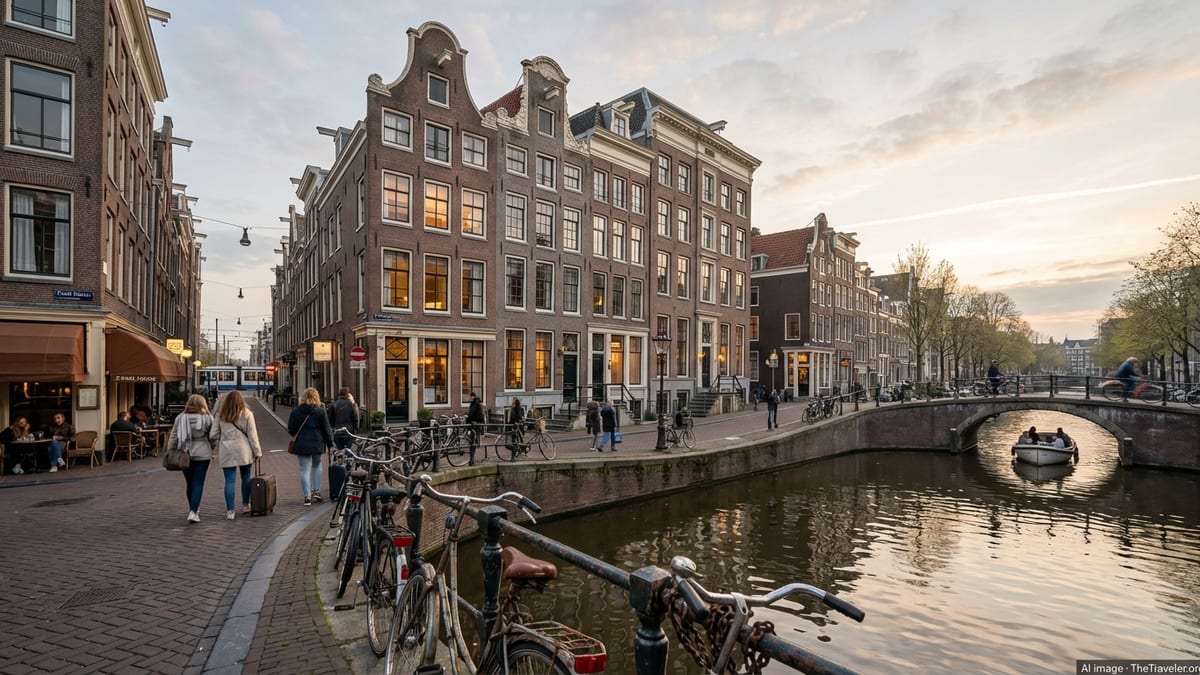
Amsterdam’s compact size and excellent public transport make it easy to get around, but choosing the right neighborhood can completely change your experience of the city. From postcard-perfect canals and world-class museums to nightlife districts and emerging creative hubs, each area offers its own flavor, price point, and style of hotel. This guide breaks down where to stay in Amsterdam by neighborhood, highlighting standout hotels in each so you can match your base to the kind of trip you have in mind.
How to Choose the Right Amsterdam Neighborhood
Before you fall in love with a specific hotel, it helps to think about how you plan to use the city. Amsterdam’s central core is compact enough that you can walk between most major attractions, but some neighborhoods are better for first-time sightseeing, others for nightlife, design hotels, or a more local residential feel. Budget is also crucial: canal-front heritage properties in the historic center command premium rates, while areas a few tram stops further out can still be convenient at lower prices.
Most visitors focus on the Canal Ring, Jordaan, the Medieval Core between Central Station and Dam Square, the Museum Quarter and Oud-Zuid, plus cool, increasingly popular districts like De Pijp, Oud-West, and Amsterdam-Noord. In each of these areas you will find options across categories, from five-star landmarks with Michelin-starred restaurants to independent boutiques and design hostels. Think about whether you want quiet evenings, nightlife at your doorstep, or a bit of both.
Consider also how you are arriving and departing. If you have a very early flight or a lot of luggage, staying walking distance from a direct tram or metro link to Amsterdam Centraal or Zuid stations can save time and stress.
For cruise passengers, the Eastern Docklands and the north side of the IJ River are convenient, while business travelers often gravitate to the southern districts that link quickly to Zuidas and Schiphol Airport. If you are still deciding whether the city fits your travel style, this breakdown of Amsterdam worth visiting helps set expectations. With that in mind, the following sections outline the best hotels in Amsterdam by neighborhood, so you can find a base that matches your priorities.
Canal Ring & Central Amsterdam: Iconic Views and Historic Glamour
The Canal Ring, or Grachtengordel, is the visual heart of Amsterdam, a UNESCO-listed grid of 17th-century waterways edged with gabled townhouses. Staying here puts you a short walk from Dam Square, the Nine Streets shopping district, and many major sights. Choosing accommodation is easier once you understand the main things to do in Amsterdam and where they are located.
Expect romantic canal views, atmospheric narrow streets, and a high concentration of luxury and boutique hotels housed in former merchant houses. This is ideal for first-time visitors who want the classic Amsterdam experience and do not mind higher prices and some tourist crowds.
Waldorf Astoria Amsterdam
Occupying six grand 17th and 18th century canal palaces along the Herengracht, the Waldorf Astoria Amsterdam is one of the city’s benchmark luxury hotels. Rooms and suites feel refined rather than ostentatious, with a muted palette, high ceilings, and large windows overlooking either the canal or a beautifully landscaped private garden. Service is polished and attentive, catering to couples, discerning leisure travelers, and executives who want a discreet central base.
The hotel’s dining and wellness offerings are a major draw. Its fine-dining restaurant has two Michelin stars, and there is an elegant bar and a lighter all-day venue as well. A compact but well-designed spa includes a pool, treatment rooms, and a fitness area, which is relatively rare in historic-city-center properties. You are within walking distance of Rembrandtplein, the Flower Market, and the eastern side of the Canal Ring, yet the immediate stretch of the Herengracht feels sheltered from party noise at night.
De L’Europe Amsterdam
Set on a curve of the Amstel River where it meets the Rokin canal, De L’Europe Amsterdam blends old-world grandeur with contemporary design. The late 19th-century building is listed as a national monument and retains a neo-Renaissance facade that is a local landmark. Inside, the rooms range from classically styled suites with river views to creative, art-driven spaces in the hotel’s dedicated cultural wing, which was designed in partnership with Dutch artists and institutions.
De L’Europe is particularly appealing to travelers who value on-site gastronomy and culture as much as location. The hotel hosts several restaurants, including a fine-dining venue that has been recognized by the Michelin Guide, a brasserie with a terrace right on the water, and a sophisticated cocktail bar with live music on some evenings. From this base you can walk to the Kalverstraat shopping street, the Begijnhof, and the southern part of the Medieval Core in under ten minutes, yet you also enjoy one of the best riverfront promenades in the city.
Pulitzer Amsterdam
Stretching through a warren of 25 interconnected canal houses between the Prinsengracht and Keizersgracht, Pulitzer Amsterdam is a standout for design-conscious travelers who still want a strong sense of place. Each room is styled individually but follows a narrative that blends period details with mid-century and contemporary design, so you might find original beams, vintage armchairs, and modern art sharing the same space. Many rooms and suites have views directly over the canals or into the hotel’s inner gardens.
The Pulitzer attracts couples, creative professionals, and families seeking character over formality. Public spaces include an inviting lobby-lounge, a stylish restaurant serving elevated Dutch and European dishes, and a lively bar that draws both guests and locals. An especially memorable feature is the hotel’s own classic salon boat, which can be booked for canal cruises. Location-wise, you sit between the Jordaan and the Nine Streets, an ideal spot for boutique shopping, canal walks, and access to both the central sights and the Western Canal Ring.
Anantara Grand Hotel Krasnapolsky Amsterdam
Overlooking Dam Square, the Anantara Grand Hotel Krasnapolsky is one of Amsterdam’s largest and most historic five-star hotels, with origins dating back to the 19th century. Its 400-plus rooms and suites range from compact classic options to extensive layouts with square-facing views, providing something for a variety of budgets and needs. The hotel is known for its grand winter garden, a glass-roofed space where breakfast and events are often served, which lends a sense of drama even to routine meals.
This is an excellent choice if you want an address in the midst of everything. From the front door you can walk to the Royal Palace, the Red Light District, the main shopping avenues, and the tram lines that serve the Museum Quarter and De Pijp. The style leans toward contemporary international luxury rather than heavily localized design, which suits many business travelers, tour groups, and families who appreciate predictable comfort. Noise levels can be higher on the Dam-facing side, so it is worth requesting a quieter courtyard or side-street room if you are a light sleeper.
Jordaan: Romantic Canals and Village Atmosphere
Just west of the Canal Ring, Jordaan is a beloved neighborhood of narrow canals, independent boutiques, galleries, and cozy “brown cafés.” Once a working-class district, it has evolved into one of Amsterdam’s most desirable residential areas while keeping a bohemian feel. It is ideal for couples and repeat visitors who prefer a local vibe over being right on top of the busiest tourist streets. Hotels here tend to be on the small side, often in historic townhouses, and book up far in advance.
Mr. Jordaan
Mr. Jordaan is a compact, canal-front boutique hotel that captures the spirit of the neighborhood: informal, design-driven, and warmly welcoming. Rooms are smartly laid out to maximize limited floor space, with built-in storage, comfortable beds, and a muted color scheme punctuated by vintage-style radios, posters, and other retro touches. Many rooms offer views over the Bloemgracht canal or the rooftops of the Jordaan, while smaller courtyard rooms provide quieter, more affordable options.
The public lounge doubles as a living room, with mismatched chairs, books, and complimentary tea and coffee throughout the day. It encourages guests to linger with laptops or guidebooks, and staff are quick to offer neighborhood tips. From the hotel, you can walk to the Anne Frank House in minutes, and you are well positioned to explore Jordaan’s weekend markets, independent shops, and intimate canals. It is a particularly good pick for couples and solo travelers who plan to spend most of their time out exploring but want a stylish, characterful base to come home to.
Hotel Mercier
Housed in an early 20th-century building with a social history, Hotel Mercier leans into Art Deco influences and vintage furnishings. The interiors combine patterned wallpapers, velvet upholstery, and carefully chosen antiques to create a nostalgic, slightly theatrical atmosphere. Guest rooms vary widely in layout due to the historic structure, but most have high ceilings, bold color accents, and large windows; some open onto a courtyard garden that is shared with the hotel’s café and bar.
Mercier tends to attract design-minded travelers who enjoy staying somewhere with a strong personality. The on-site restaurant focuses on seasonal, locally inspired dishes, while the bar is a relaxed place for pre-dinner drinks before you wander into the surrounding streets to find a neighborhood bistro or canal-side terrace. You are a short stroll from the Nine Streets, the western side of the Canal Ring, and multiple tram lines, but Jordaan itself is best explored on foot, with its hidden courtyards and smaller canals rewarding unhurried wandering.
Museum Quarter & Oud-Zuid: Culture, Green Space, and Upscale Calm
South of the Canal Ring, the Museum Quarter and adjacent Oud-Zuid district form one of Amsterdam’s most elegant residential areas, with wide boulevards, embassies, and luxury boutiques. Staying here puts you within easy walking distance of the Rijksmuseum, Van Gogh Museum, and Stedelijk Museum, as well as the city’s main urban park, Vondelpark. This neighborhood suits culture lovers, families seeking quieter evenings, and anyone who prefers leafy streets and classic architecture over nightlife on the doorstep.
Conservatorium Hotel
Set in a former music conservatory near Museumplein, the Conservatorium Hotel is a design-forward luxury property that blends heritage architecture with dramatic contemporary interiors. A soaring glass-roofed atrium anchors the public spaces, with the original brick and stone contrasting against sleek steel and warm woods. Rooms and suites showcase high-quality materials and custom furniture, often with striking architectural features like exposed rafters or tall windows overlooking the museum district.
The hotel is a magnet for travelers who value both aesthetics and amenities. Facilities include a large spa and wellness center with a pool, multiple treatment rooms, and fitness spaces, which appeals to longer-stay guests and those combining business with leisure. Dining options range from an all-day brasserie under the atrium to a higher-end restaurant and stylish bar. Outside, you are steps from Museumplein and a short walk from Vondelpark, with tram connections into the historic center in just a few stops.
Hotel Okura Amsterdam
In the southern part of De Pijp, edging into Oud-Zuid, Hotel Okura Amsterdam offers a different take on luxury: a high-rise tower with panoramic views and a strong Japanese influence. The building is among the tallest in the city, and rooms on upper floors have sweeping vistas across the canals and roofs. Interiors are calm and understated, with clean lines and a focus on comfort rather than overt decoration.
Food is a major reason many guests choose the Okura. The hotel hosts several acclaimed restaurants, including a fine-dining venue with two Michelin stars, a traditional Japanese kaiseki restaurant, and a teppanyaki spot, plus a more relaxed brasserie. A spa, fitness center, and pool round out the offerings. Because of its position near the conference centers and major roads, this property serves both upscale leisure travelers and business guests. Tram and metro links make it straightforward to reach the Museum Quarter, Canal Ring, and Schiphol Airport.
Family-Friendly Boutique Options around Museumplein
Families who want walkable access to the major museums without staying in a large corporate hotel have several appealing smaller properties clustered on residential streets behind the Rijksmuseum and Van Gogh Museum. Many of these boutique hotels focus on comfortable rooms, child-friendly layouts, and straightforward amenities rather than extensive facilities like pools or spas.
Typical advantages in this area include family rooms or connecting configurations, breakfast rooms that can accommodate picky eaters, and quick tram links to Central Station and the Canal Ring. You also benefit from Vondelpark just a short stroll away, with its playgrounds, open lawns, and bike paths that give children a break from museum visits. For families, this district offers an attractive blend of culture, green space, and calmer evenings compared with the bars and nightlife of the city center.
De Pijp: Foodie Hotspot and Vibrant Local Life
South of the Canal Ring and east of Oud-Zuid, De Pijp has evolved from a dense working-class area into one of Amsterdam’s most energetic neighborhoods, popular with students, creatives, and young professionals. It is packed with cafés, bars, and international restaurants, anchored by the Albert Cuyp Market and several small parks. Staying here is ideal if you want to be surrounded by local life, especially in the evenings, and do not mind a slightly longer walk or tram ride to some central attractions.
Sir Albert Hotel
Located near the Albert Cuyp Market and a short walk from Museumplein, Sir Albert occupies a former diamond factory converted into a stylish, moderately upscale boutique hotel. Rooms feature high ceilings, large windows, and a modern aesthetic, with dark woods, crisp linens, and curated art pieces. Some categories include small balconies or views toward the city skyline, while entry-level rooms are compact yet efficiently laid out.
The hotel’s lobby-lounge and bar act as a social hub, attracting both guests and neighborhood residents for coffee during the day and cocktails in the evening. There is an on-site restaurant that often focuses on contemporary European or Asian-inspired cuisine, depending on the current concept, and plenty more dining spots within minutes on foot. This property works especially well for couples and friends who want to split their time between cultural sightseeing and exploring De Pijp’s food and nightlife scene.
Midrange and Apartment-Style Stays in De Pijp
De Pijp also offers numerous midrange hotels and serviced apartments, which work well for longer stays or travelers who prefer a kitchenette and more residential feel. Many are in converted townhouses with narrow staircases and quirky layouts, so checking accessibility in advance is wise if you have mobility issues or heavy luggage. Rooms tend to be on the smaller side, but this is offset by the wealth of cafés, bakeries, and market stalls right outside your door.
Benefits of staying in this part of town include easy access to both the De Pijp and Europaplein metro stations, which connect quickly to the Zuid business district and the central station, as well as tram lines that lead to the Canal Ring and Jordaan. The neighborhood’s lively bar scene means streets can be busy at night, especially on weekends, so light sleepers may prefer accommodations on quieter side streets rather than main thoroughfares like Ferdinand Bolstraat.
Oud-West & Vondelpark: Local Vibe Near the Center
West of the Canal Ring and north of Vondelpark, Oud-West is one of Amsterdam’s best neighborhoods for travelers who want a local atmosphere, strong restaurant and bar options, and quick access to both the historic center and green space. Traditionally residential, it has seen a wave of new cafés, concept stores, and food halls, making it a favorite for younger Amsterdammers and visitors alike. Hotels here are mostly small to mid-sized and span boutique, design, and budget-friendly categories.
Hotel De Hallen
Built into a former tram depot, Hotel De Hallen is a striking industrial-chic boutique property that anchors the De Hallen complex, a cultural and culinary hotspot in Oud-West. The design retains original steel beams, brickwork, and lofty ceilings, softened with warm lighting, rugs, and mid-century-inspired furnishings. Rooms are contemporary and comfortable, with large windows, strong soundproofing, and modern bathrooms; some overlook the internal courtyards of the complex.
Step outside your room and you are practically inside Foodhallen, an indoor food market featuring a curated selection of street-food-style vendors, bars, and occasional live music. The surrounding complex also houses a cinema, design shops, and sometimes art exhibits, meaning there is plenty to do without walking far. It is an ideal base for travelers who enjoy an urban, creative atmosphere, and from here you can walk to Vondelpark, the Canal Ring, and multiple tram stops serving the rest of the city.
The Tire Station and Other Eco-Minded Hotels
In the streets just west of Vondelpark, a number of newer hotels emphasize sustainability, casual style, and value for money. Properties in this pocket often feature energy-efficient systems, local sourcing in their cafés, and design choices such as upcycled furniture. Rooms prioritize simplicity and function, appealing to younger travelers, digital nomads, and families who prefer to spend their budget on activities rather than opulent interiors.
Staying in this part of Oud-West means Vondelpark is practically your backyard, which is ideal for morning runs, picnics, or simply walking into the Museum Quarter via leafy paths instead of urban streets. Tram lines along Overtoom and Kinkerstraat quickly link you to the city center. Evening noise levels are typically lower than in De Pijp or the Red Light District, making this area a good choice for those who want to sleep well without being far from the action.
Amsterdam-Noord & Emerging Areas: Creative Edge and Better Value
Across the IJ River from Central Station, Amsterdam-Noord has transformed from a largely industrial area into a creative district with waterfront promenades, cultural venues, and striking modern architecture. Easily reached by free ferries from behind the station, it feels like a different city while still being very close to the historic center. Accommodation here is often better value than across the water, with a mix of design hotels, converted industrial spaces, and budget-friendly chains.
Sir Adam Hotel
Occupying several floors of the A’DAM Tower next to the Eye Film Museum, Sir Adam is a music- and design-focused hotel with dramatic views over the IJ River and the old city. Rooms showcase floor-to-ceiling windows, turntables, curated vinyl collections, and playful touches like guitar stands and bold graphic art. It is a property that embraces the building’s creative-business tenant mix, attracting a clientele of musicians, designers, and travelers who want something different from the classic canal house aesthetic.
Public spaces include a lively lobby lounge and bar, plus access to shared facilities in the tower such as restaurants and the rooftop observation deck. Ferries to Central Station run frequently and operate late into the night, so commuting back and forth is straightforward and free, though you will need to factor in the extra crossing time. The trade-off is a sense of space and perspective that you rarely get from within the low-rise historic center, along with a more contemporary urban feel.
NDSM Wharf and Budget-Friendly Options
Further west along the river, the NDSM Wharf area hosts a growing number of creative businesses, cultural festivals, and large-scale street art. Here you will find several midrange and budget hotels and hostels in repurposed warehouses and new-build structures, some with waterfront terraces or communal workspaces. The atmosphere is relaxed and slightly offbeat, and this pocket especially appeals to younger travelers, groups of friends, and digital nomads.
Ferries connect NDSM Wharf with Central Station and other points on the southern shore, though services are less frequent than on the main station-adjacent routes. That makes this an appealing option for those who do not mind planning their movements a bit more carefully in exchange for lower room rates and more space. It is also convenient if you plan to attend events or festivals in the area, or if you simply enjoy staying in up-and-coming districts rather than traditional tourist zones.
The Takeaway
Amsterdam’s hotel scene mirrors the city itself: compact, varied, and rich in character. Choosing where to stay by neighborhood allows you to shape the feel of your trip, whether that means waking up to canal views in the historic heart, strolling from your front door to world-class museums in Oud-Zuid, or discovering local haunts in De Pijp and Oud-West. Prices, room sizes, and noise levels vary notably between areas, so it pays to match your base to your priorities, whether that is romance, nightlife, family convenience, or budget.
First-time visitors who want the quintessential Amsterdam experience typically gravitate toward the Canal Ring and Jordaan, while art lovers and families often prefer the calm, cultured streets around Museumplein and Vondelpark. Foodies might choose De Pijp, creative travelers and value seekers look to Amsterdam-Noord or Oud-West, and business guests weigh proximity to transit and conference centers. No matter which neighborhood you pick, Amsterdam’s excellent trams, metros, and bike paths make it easy to explore the rest of the city. With a bit of planning, you can secure a hotel that suits your style and gives you a memorable window onto this uniquely atmospheric capital.
FAQ
Q1. What is the best neighborhood in Amsterdam for first-time visitors?
For a classic first visit, the Canal Ring and nearby Jordaan work best, as they combine postcard-perfect canals, central locations, and easy access to major sights, though they are usually more expensive than outer neighborhoods.
Q2. Where should I stay in Amsterdam for museums and culture?
The Museum Quarter and Oud-Zuid place you within walking distance of the Rijksmuseum, Van Gogh Museum, and Stedelijk Museum, plus Vondelpark, making them ideal for culture-focused trips and families.
Q3. Which area is best for nightlife in Amsterdam?
Leidseplein and the streets around Rembrandtplein in the central area are hubs for bars, clubs, and late-night venues, while De Pijp offers a more local, bar-focused nightlife scene with many restaurants and terraces.
Q4. Is Jordaan a good neighborhood for families?
Jordaan is safe and charming, with quieter streets than some central areas, but hotels can be small and pricier; families who prioritize space and immediate park access may find the Museum Quarter and Oud-Zuid more practical.
Q5. What neighborhood offers the best value for money?
Oud-West and parts of De Pijp often provide better value than the Canal Ring, offering good midrange and boutique options with strong dining and transport links while remaining close to the center.
Q6. Is it convenient to stay in Amsterdam-Noord?
Yes, free ferries run frequently between Amsterdam-Noord and Central Station, making the crossing quick and easy; you trade being outside the historic core for more space, modern hotels, and often lower rates.
Q7. Do I need to stay near Amsterdam Centraal Station?
It is not essential, since trams and the metro connect most neighborhoods to the station within 10 to 20 minutes, but staying nearby can be convenient if you have an early train or are only in the city for a very short stay.
Q8. Which area is the quietest at night?
The residential streets of Oud-Zuid, the Museum Quarter, and the western side of Oud-West tend to be quieter after dark than areas around Dam Square, Leidseplein, or De Pijp’s busiest bar streets.
Q9. Are canal-view hotels worth the premium?
Many travelers feel canal views justify higher rates because they provide a uniquely Amsterdam experience and beautiful outlooks, especially at sunrise or after dark, but you can still enjoy the canals by booking a more modest room and spending time outside.
Q10. How far in advance should I book hotels in Amsterdam?
For peak periods such as spring tulip season, summer weekends, and major events, booking three to six months in advance is wise, especially for popular neighborhoods like the Canal Ring, Jordaan, and the Museum Quarter.